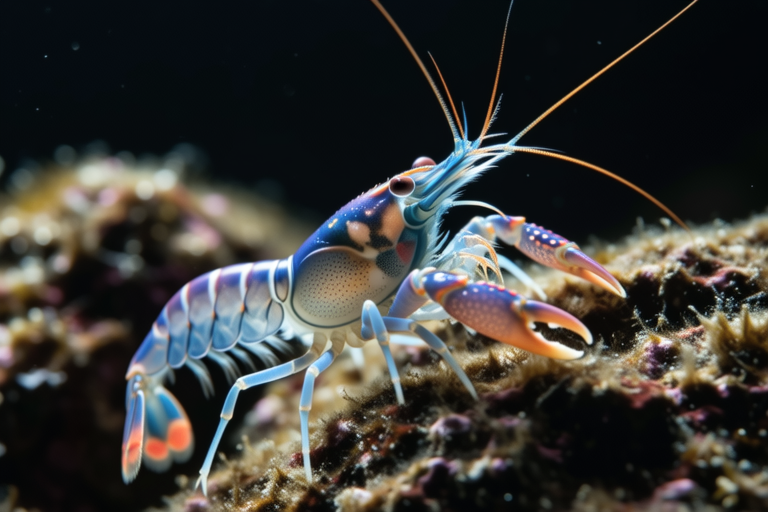
The Secret Life of Coral Shrimp: Facts and Myths You Need to Know
When it comes to the vibrant underwater world, few creatures capture the imagination quite like the coral shrimp. These tiny, colorful crustaceans have long been a fascination for marine enthusiasts and casual beachgoers alike. But beyond their striking appearance, what do we really know about these fascinating creatures? In this article, we will delve into the secret life of coral shrimp, exploring their natural habitat, diet, behavior, and unique characteristics. We’ll also address common myths surrounding these creatures and provide scientific facts to clarify them.
Natural Habitat
Coral shrimp, scientifically known as Symphalangus symphalangus, inhabit tropical and subtropical waters around the world. They are most commonly found in the warm waters of the Indo-Pacific region, particularly in areas where coral reefs thrive. These shrimp prefer shallow waters, often living among the intricate structures of coral reefs, which provide both shelter and food. The complex environment of coral reefs offers a rich ecosystem that supports a wide variety of marine life, including the coral shrimp.
Their preferred habitats include coral gardens, rubble fields, and seagrass beds. Coral shrimp can be found at depths ranging from just a few meters to approximately 30 meters below the surface. The diversity of their environment allows them to find both protection and abundant sources of food. However, the health of coral reefs plays a critical role in the survival of coral shrimp populations. As coral reefs face threats from climate change, pollution, and overfishing, the survival of these shrimp is increasingly at risk.
Diet
Coral shrimp are omnivorous, meaning they consume both plant and animal matter. Their diet primarily consists of algae, detritus, and small planktonic organisms. They play a crucial role in maintaining the cleanliness of coral reefs by feeding on debris and dead organic material. This scavenging behavior helps to prevent the accumulation of harmful substances that could otherwise harm the delicate balance of the reef ecosystem.
In addition to their role as cleaners, coral shrimp also contribute to the nutrient cycle within the reef. By breaking down organic matter, they release nutrients that can be utilized by other organisms, fostering a healthy and thriving ecosystem. Their diet is varied, reflecting the diverse food sources available in their habitat, which ensures they receive a balanced intake of nutrients necessary for their survival.
Behavior
Coral shrimp exhibit a range of behaviors that are both fascinating and essential for their survival. One of their most notable behaviors is their cleaning activities. These shrimp are often observed cleaning larger fish, a practice known as mutualism. By removing parasites and dead skin from the bodies of fish, coral shrimp provide a valuable service to their aquatic neighbors. In return, the fish offer protection and sometimes even leftover food scraps.
Another interesting behavior is their ability to change coloration based on their surroundings. This adaptation helps them blend into their environment, providing camouflage against potential predators. Coral shrimp can rapidly alter their coloration to match the hues of nearby corals or rocks, making them nearly invisible to both prey and predators alike. This skill is especially useful when they venture out of their shelters to search for food or mates.
During mating season, coral shrimp engage in elaborate courtship rituals. Males will display their brightest colors and perform intricate dances to attract females. Once a pair has formed, they will mate and produce eggs, which the female carries until they hatch. The care and attention given to their offspring highlight the importance of reproduction within the species.
Unique Characteristics
Coral shrimp possess several unique physical characteristics that set them apart from other crustaceans. One of the most distinctive features is their long, slender bodies, which allow them to navigate the narrow crevices and tunnels within coral reefs. Their elongated appendages, particularly their antennae and legs, help them sense their environment and move efficiently through tight spaces.
Another remarkable feature is their bioluminescence, which allows them to emit light in the dark waters of the ocean. While not all species of coral shrimp exhibit this trait, those that do use bioluminescence for communication, attracting mates, and possibly as a defense mechanism against predators. This ability to produce light is a fascinating adaptation that underscores the complexity of life in the ocean.
Facts and Myths
Despite their popularity, there are many misconceptions about coral shrimp. One common myth is that they are aggressive towards other marine creatures. In reality, coral shrimp are generally peaceful and non-aggressive. They play a vital role in maintaining the balance of their ecosystem through their cleaning activities and scavenging behaviors. Another myth is that they are easy to spot due to their bright colors. While some species do have vibrant hues, many coral shrimp are masters of camouflage, blending seamlessly into their surroundings.
It’s also important to dispel the notion that coral shrimp are solitary creatures. While they may not form large social groups like some other marine animals, they do interact with each other and with other species in meaningful ways. Their relationships with cleaner fish and their role in the reef ecosystem demonstrate the interconnectedness of marine life.
Interaction with Environment and Other Sea Creatures
Coral shrimp are integral components of the coral reef ecosystem. They interact with various other marine organisms, forming complex relationships that benefit both parties involved. For instance, their symbiotic relationship with cleaner fish is mutually beneficial. Cleaner fish visit coral shrimp colonies regularly, allowing the shrimp to feed on parasites and dead tissue. This interaction not only benefits the cleaner fish but also contributes to the overall health of the reef.
Coral shrimp also serve as a food source for larger predators, such as snapper and grouper. This predation pressure helps regulate the population of coral shrimp, ensuring that their numbers do not become too large for the environment to support. Additionally, their role in breaking down organic matter and distributing nutrients throughout the reef highlights their importance in maintaining the ecological balance.
Tips for Aquarium Owners
If you’re considering adding coral shrimp to your aquarium, it’s essential to understand their specific needs to ensure their well-being. First and foremost, provide an appropriate environment that mimics their natural habitat. This includes a tank with live rock or artificial structures that offer plenty of hiding places and surface area for algae growth. A well-established reef tank with a stable water chemistry is ideal for coral shrimp.
Feeding coral shrimp can be straightforward since they are opportunistic feeders. In addition to the algae and detritus found in the tank, you can supplement their diet with high-quality flake food or sinking pellets designed for marine invertebrates. It’s important to avoid overfeeding, as excess food can lead to water quality issues. Regular maintenance, including partial water changes and proper filtration, is crucial for maintaining optimal water conditions.
Lastly, consider the compatibility of coral shrimp with other tank inhabitants. While they are generally peaceful, they may compete with other bottom-dwelling invertebrates for food. It’s advisable to introduce coral shrimp gradually and monitor their interactions with other tankmates to ensure a harmonious environment.
By understanding and addressing the specific needs of coral shrimp, you can create a thriving and healthy aquarium environment that promotes their well-being and allows you to enjoy these captivating creatures up close.
