From Aquariums to Oceans: A Journey With Parrot Fish
The world of marine life is incredibly diverse and fascinating, and one of its most vibrant inhabitants is the parrot fish. Known for their bright colors and unique behaviors, parrot fish have captured the hearts of many marine enthusiasts. These fish, named for their beak-like mouths, play a crucial role in maintaining the health of coral reefs. In this article, we will explore the captivating world of parrot fish, from their life in aquariums to their existence in the vast oceans.
A Vibrant World of Parrot Fish
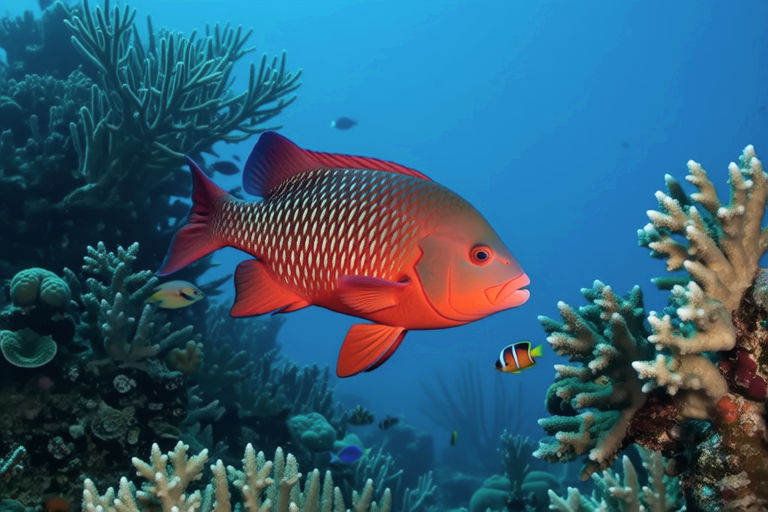
Parrot fish are found in tropical and subtropical waters around the globe, with over 90 species known to science. They are easily recognizable due to their striking colors, which range from bright blues and greens to vibrant oranges and reds. The vivid hues of these fish serve multiple purposes, including camouflage, communication, and attracting mates. Their distinctive beak-like mouths, equipped with fused teeth, allow them to scrape algae off rocks and coral, a behavior that is central to their diet and lifestyle.
Parrot fish are social creatures, often living in large groups called schools. This social behavior helps protect them from predators, as the sheer numbers make it harder for any individual fish to become a target. Their schooling also plays a significant role in their mating rituals, where males display their brightest colors to attract females. Once a pair has formed, they engage in elaborate courtship dances before spawning, ensuring the continuation of their species.
Differences in Environment: Aquariums vs. Oceans
The environments in which parrot fish live can greatly affect their behavior and well-being. In aquariums, these fish are often kept in controlled conditions that aim to replicate their natural habitats as closely as possible. However, the confined space and artificial surroundings can lead to stress and behavioral changes. While aquariums provide a safe haven for observation and study, they cannot fully replicate the vastness and complexity of the ocean.
In contrast, the open ocean offers parrot fish a much larger and more dynamic environment. Here, they can roam freely, interact with other marine species, and experience the full spectrum of natural stimuli. The ocean provides ample food sources, including algae-covered corals and rocks, which are essential for their diet. However, the ocean also presents challenges, such as navigating currents, avoiding predators, and finding suitable breeding grounds.
The Role of Parrot Fish in Coral Reef Ecosystems
Parrot fish play a vital role in maintaining the health of coral reef ecosystems. By grazing on algae, they help prevent algal blooms that could otherwise smother and kill coral polyps. This process is known as bioerosion, and it is crucial for the growth and development of coral reefs. Parrot fish also contribute to the formation of sand, as their digestion of coral and rock produces fine particles that settle on the ocean floor, eventually forming beaches.
Their feeding habits are closely tied to their role in the ecosystem. Parrot fish primarily consume algae and small invertebrates, using their strong jaws to scrape food from surfaces. This feeding behavior not only sustains their own needs but also helps to maintain the balance of the reef community. Without parrot fish, algae could grow unchecked, potentially leading to the decline of coral reefs and the loss of biodiversity within these ecosystems.
Color and Sex Changes: A Remarkable Adaptation
One of the most intriguing aspects of parrot fish is their ability to change both color and sex. Many species of parrot fish exhibit protogynous hermaphroditism, meaning they start their lives as females and later transition to males. This change is often triggered by environmental factors or social cues within the group. As they mature, some female parrot fish may develop male characteristics, including brighter colors and larger sizes, to compete for dominance within their school.
The color-changing abilities of parrot fish are not limited to their sex changes. These fish can also alter their appearance in response to various stimuli, such as threats from predators or changes in water temperature. This adaptability allows them to blend in with their surroundings or signal their presence to potential mates. Understanding these color changes can provide valuable insights into the social dynamics and survival strategies of parrot fish.
Challenges in Ocean Environments
Despite their important role in marine ecosystems, parrot fish face numerous challenges in their ocean habitats. Pollution, overfishing, and climate change pose significant threats to their survival. Plastic waste and chemical pollutants can harm parrot fish directly, either through ingestion or by damaging their gills. Additionally, overfishing has led to a decline in certain parrot fish populations, particularly in areas where they are prized for their meat.
Climate change also affects the habitats of parrot fish, as rising sea temperatures and ocean acidification can damage coral reefs and reduce the availability of food sources. To address these challenges, conservation efforts are underway to protect parrot fish and their ecosystems. Marine protected areas, sustainable fishing practices, and public education campaigns are all part of the strategy to ensure the survival of these vital fish.
Conservation Efforts and Responsible Ownership
Conservation efforts are critical for the survival of parrot fish and the health of coral reefs. Marine protected areas (MPAs) provide sanctuaries where parrot fish can thrive without the threat of overfishing. These areas also help to restore damaged reefs and promote biodiversity. Sustainable fishing practices, such as limiting catch sizes and using selective fishing gear, can further reduce pressure on parrot fish populations.
For those interested in keeping parrot fish in aquariums, it is essential to understand the responsibility that comes with owning these animals. Replicating their natural habitat as closely as possible is key to ensuring the well-being of the fish. This includes providing adequate space, appropriate water conditions, and a varied diet that mimics their natural feeding habits. Regular monitoring of water quality and the health of the fish is also necessary to maintain a healthy aquarium environment.
Conclusion
From their vibrant colors to their unique behaviors, parrot fish offer a glimpse into the wonders of marine life. Whether in the confines of an aquarium or the vastness of the ocean, these fish play a crucial role in maintaining the health of coral reefs and the broader marine ecosystem. By understanding the challenges they face and supporting conservation efforts, we can help ensure the survival of parrot fish and the vibrant ecosystems they inhabit.
For those interested in keeping parrot fish, responsible ownership is key. By replicating their natural habitat as closely as possible, aquarium owners can provide a safe and enriching environment for these fascinating creatures. Together, we can work towards preserving the beauty and diversity of our oceans for future generations.
