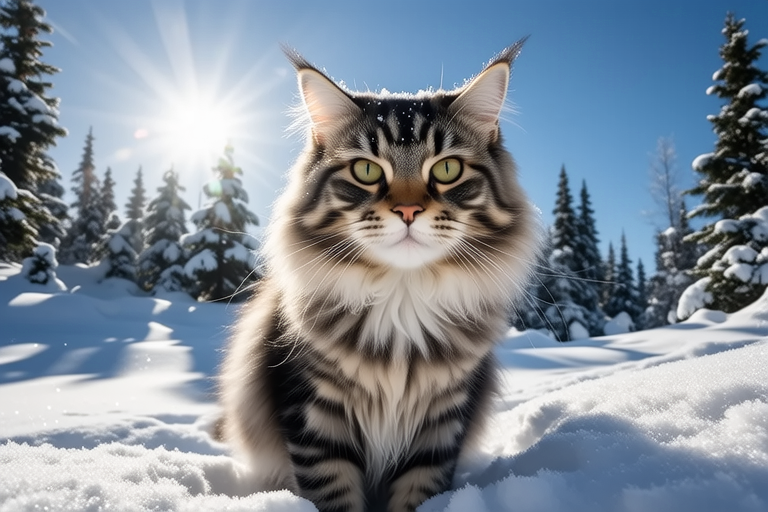
Norwegian Pets: A Journey Through Winter and Beyond
When it comes to extreme climates, few places on Earth compare to Norway. Known for its breathtaking fjords, rugged mountains, and pristine wilderness, this Scandinavian country is also famous for its long, harsh winters. These challenging conditions present unique challenges for pet owners, who must adapt their care routines to ensure their furry companions remain healthy and happy. This article delves into the world of Norwegian pets, exploring how they navigate through the cold season and enjoy the warmer months.
The Unique Climate of Norway
Norway experiences some of the most extreme seasonal variations in the world. In the northern regions, winter can last for up to six months, with temperatures often dropping below -30°C (-22°F). The sun may not rise for weeks, leading to prolonged periods of darkness. This harsh environment poses significant challenges for both humans and animals, requiring careful planning and adaptation.
The winter landscape in Norway is characterized by snow-covered forests, frozen lakes, and icy roads. While these conditions may seem inhospitable, they offer unique opportunities for outdoor activities, provided one is well-prepared. For pets, however, the cold can be particularly challenging. It’s crucial for pet owners to understand the specific needs of their animals during the winter months to ensure their health and happiness.
Adapting Pet Care Routines for Winter
Winter in Norway requires pet owners to make several adjustments to their daily routines. Nutrition plays a critical role in keeping pets warm and energetic. High-fat diets are often recommended to provide the extra calories needed to maintain body heat. Foods rich in omega-3 fatty acids are particularly beneficial as they help maintain skin and coat health, which is essential for insulation against the cold.
Exercise is another area where adjustments are necessary. With shorter days and more time spent indoors, it’s important to create stimulating indoor environments. Interactive toys, puzzle feeders, and agility courses set up inside the home can help keep pets mentally and physically engaged. Regular play sessions are vital to prevent boredom and obesity, which can become issues when pets spend more time inside.
Grooming also takes on added importance during the winter. Long-haired dogs need regular brushing to prevent mats and tangles, which can trap moisture and lead to discomfort. Short-haired dogs may benefit from a layer of protective oil or balm applied to their paws and other exposed areas before going outside. Additionally, checking for ice balls forming between paw pads is crucial after walks, as these can cause discomfort and injury.
Common Breeds Thriving in Cold Weather
Norway is home to several dog breeds that have adapted perfectly to its cold climate. The Norwegian Elkhound, for example, is a popular breed known for its thick double coat, which provides excellent insulation against the cold. This breed is highly active and thrives in the snowy landscapes of Norway, making them ideal companions for outdoor adventures. Their friendly nature and loyalty make them beloved pets among Norwegians.
The Samoyed is another breed that excels in cold weather. Originally bred for herding reindeer and pulling sleds, these dogs have a dense, fluffy coat that protects them from the elements. They are energetic and require plenty of exercise, making them perfect for families living in rural areas where they can run freely in the snow. Their cheerful disposition and striking appearance have made them popular pets across Norway.
For those looking for smaller companions, the Siberian Husky is a great choice. While originating from Siberia, this breed has found a comfortable home in Norway. Known for their endurance and ability to withstand cold temperatures, Siberian Huskies are excellent runners and enjoy playing in the snow. Their striking blue eyes and wolf-like appearance add to their charm, making them a favorite among pet lovers.
Innovative Technologies and Local Products
To help pets stay comfortable during the long winter months, several innovative technologies and local products have been developed specifically for Norwegian pets. One such product is the heated dog bed, which uses a safe, low-voltage heating element to keep pets warm and cozy. These beds come in various sizes and designs, ensuring there’s something suitable for every pet.
Another useful invention is the insulated pet jacket, which provides an extra layer of warmth for dogs when they go outside. These jackets are typically waterproof and windproof, protecting pets from the biting winds and wet snow. Many jackets also feature reflective strips, enhancing visibility during the dark winter days.
Local pet stores in Norway often stock specialized grooming tools designed to handle the unique grooming needs of winter. From de-shedding combs to paw balms, these products are tailored to meet the specific needs of pets living in cold climates. Additionally, many pet owners invest in booties for their dogs to protect their paws from ice and salt, which can be harmful if ingested.
Spring and Summer Activities for Pets
As winter gives way to spring, pet owners in Norway look forward to the gradual return of longer days and warmer temperatures. The transition from winter to spring is marked by the emergence of new life and the greening of the landscape. For pets, this means more opportunities for outdoor activities and exploration.
One of the most popular springtime activities for pets in Norway is hiking. With the snow melting and trails becoming accessible, many families take their dogs on day hikes through the forests and along the fjords. These outings provide much-needed exercise and mental stimulation, helping pets shed any winter weight gain. Trails vary in difficulty, offering options for all fitness levels and ages.
Summer in Norway brings even more opportunities for outdoor adventures. Longer daylight hours mean more time for pets to enjoy the outdoors. Beaches along the coast become popular spots for dogs to swim and play in the water. Many parks and recreational areas also offer designated off-leash zones, allowing dogs to run freely and socialize with other animals.
Camping is another activity that Norwegians enjoy with their pets during the summer months. With vast stretches of wilderness and numerous campsites available, families can explore remote areas while bringing their pets along. Camping trips provide a unique opportunity for pets to experience new surroundings and engage in different activities, enriching their lives.
Conclusion
The journey through winter and beyond in Norway presents both challenges and opportunities for pet owners. By understanding the unique climate and adapting care routines accordingly, pet owners can ensure their furry friends remain healthy and happy throughout the year. From adjusting diets and creating stimulating indoor environments to choosing the right breed and utilizing innovative products, there are many ways to enhance pets’ comfort during the cold months.
As spring arrives and the days grow longer, pets in Norway can look forward to a variety of outdoor activities, from hiking and camping to swimming at the beach. These activities not only provide physical exercise but also mental stimulation and social interaction, contributing to overall well-being. Whether navigating through the long winter or enjoying the vibrant summer, Norwegian pets lead fulfilling lives, thanks to the love and care of their dedicated owners.
