The Ultimate Beginner’s Guide to Keeping Leopard Geckos Happy and Healthy
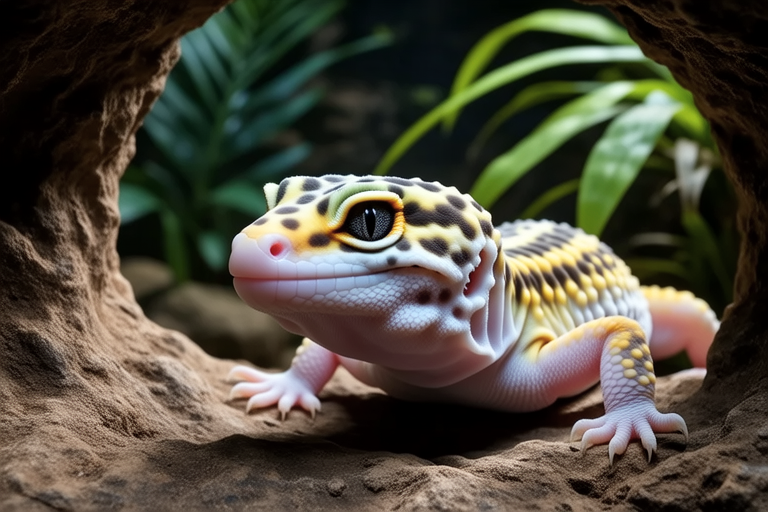
Welcome to the world of leopard geckos! These charming, docile reptiles are popular pets among beginners due to their manageable size and relatively simple care requirements. However, like any pet, they need proper attention and care to thrive. This guide will walk you through everything you need to know about keeping your leopard gecko happy and healthy.
Selecting the Right Habitat Setup
Creating a comfortable home for your leopard gecko is crucial. Start by choosing an appropriately sized terrarium. A 10-gallon tank is suitable for one adult gecko, but larger tanks (20 gallons or more) are better if you plan to house multiple geckos. Ensure the enclosure has secure ventilation and a tight-fitting lid to prevent escapes.
Inside the terrarium, create distinct zones: a warm side for basking and a cooler side for thermoregulation. Provide hiding spots, such as caves or half logs, and add a shallow water dish for drinking and soaking. Leopard geckos also enjoy climbing structures like branches or rocks, so consider adding some for enrichment.
Appropriate Temperature and Humidity Levels
Maintaining the correct temperature gradient within the terrarium is vital for your gecko’s health. Use a digital thermometer with separate probes to monitor temperatures on both sides of the enclosure. The warm side should be around 88-90°F (31-32°C), while the cool side should range from 75-80°F (24-27°C). At night, the temperature can drop slightly, but never below 70°F (21°C).
Leopard geckos require low humidity, typically between 30% and 40%. To achieve this, avoid misting the tank, and instead, provide a humid hide made from a plastic container with a small entrance hole. Fill the hide with moistened moss or coconut fiber, ensuring it remains damp without becoming soggy.
Suitable Substrate Options
Choosing the right substrate is essential for your gecko’s health. Avoid loose substrates like sand, which can cause impaction if ingested. Instead, opt for paper towels, reptile carpet, or specially formulated reptile bedding such as coconut fiber or calcium sand. These substrates are safe, easy to clean, and provide a comfortable environment for your gecko.
Diet Requirements and Feeding Schedules
Leopard geckos are insectivores, meaning their diet consists mainly of insects. Offer a variety of feeder insects, such as crickets, dubia roaches, mealworms, and waxworms. Feed your gecko every other day, providing as many insects as they can consume in 15-20 minutes. Remove uneaten insects to prevent them from biting or stressing your gecko.
Variety is key when it comes to nutrition. Dust the insects with a calcium supplement (without added vitamin D3) two to three times per week and a multivitamin once a week. Gut-load the insects by feeding them nutritious foods before offering them to your gecko. This ensures that your gecko receives all necessary nutrients.
Handling Tips
Handling your gecko gently and frequently helps build trust and reduces stress. Always wash your hands before and after handling to minimize the risk of transmitting bacteria. Support your gecko’s entire body, especially its belly, and avoid grabbing or squeezing. Let your gecko explore your hand or sit on your palm for short periods, gradually increasing handling time as your gecko becomes more comfortable.
Signs of Common Health Issues
Regularly observe your gecko for signs of illness. Common health issues include:
- Weight loss or lethargy: May indicate an underlying problem such as parasites or metabolic bone disease.
- Swollen limbs or joints: Could signal a bacterial infection or metabolic bone disease.
- Difficulty shedding: Usually caused by improper humidity levels.
- Discharge from the eyes, nose, or mouth: Indicates possible respiratory infections.
If you notice any concerning symptoms, consult a veterinarian specializing in reptiles immediately.
Regular Care Routines
To ensure your gecko remains healthy, establish a routine for cleaning and maintenance:
- Spot-clean daily: Remove waste and uneaten food from the enclosure.
- Deep-clean weekly: Remove all decorations, substrate, and accessories. Clean the tank with a reptile-safe disinfectant, rinse thoroughly, and allow it to dry completely before replacing items.
- Check temperatures and humidity: Regularly monitor these levels to ensure they remain within the recommended ranges.
- Inspect your gecko: Look for any changes in appearance, behavior, or appetite that may indicate potential health issues.
Creating a Stress-Free Environment
Your gecko’s well-being depends on minimizing stress. Keep the terrarium in a quiet area away from direct sunlight and drafts. Limit disturbances, and avoid sudden movements or loud noises near the enclosure. Providing plenty of hiding spots allows your gecko to retreat when feeling threatened, promoting a sense of security.
Conclusion
Raising a happy and healthy leopard gecko requires commitment and attention to detail. By following the guidelines outlined in this guide, you’ll provide your gecko with the best possible care. Remember that each gecko is unique, so pay close attention to your pet’s specific needs and adjust your care accordingly. With proper care, your leopard gecko will live a long, healthy, and fulfilling life.
