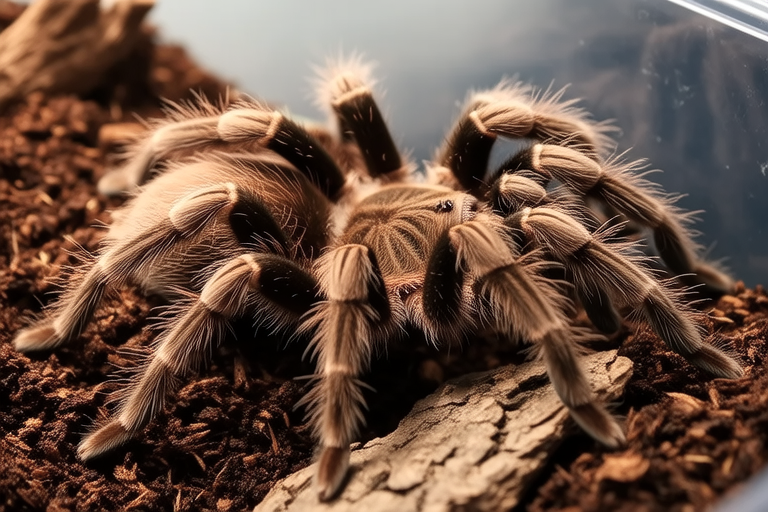
The Ultimate Guide to Chilean Rose Tarantula Care: Tips for Happy and Healthy Spiders
Chilean rose tarantulas (Grammostola rosea) are popular pets among arachnid enthusiasts due to their docile nature and vibrant pink coloration. However, owning one requires careful consideration and commitment. This guide provides comprehensive information on caring for your Chilean rose tarantula, covering everything from setting up its habitat to recognizing signs of a healthy spider.
Research and Preparation Before Acquiring a Chilean Rose Tarantula
Before bringing home a Chilean rose tarantula, it’s crucial to understand what they need in terms of space, environment, and care. Researching thoroughly will help you make an informed decision about whether this species is suitable for your lifestyle and living conditions.
Habitat Setup
A well-prepared enclosure is key to keeping your tarantula happy and healthy. Here’s how to set up the perfect habitat:
- Enclosure Size: A 10-gallon tank or equivalent is adequate for adult specimens. Ensure there’s enough room for your tarantula to move around comfortably.
- Substrate: Use coconut fiber, peat moss, or a mixture of both as bedding. These materials retain moisture better than others, which is important for maintaining proper humidity levels.
- Decorations: Provide hiding spots such as cork bark pieces or half logs. Tarantulas like dark, enclosed spaces where they can feel secure.
- Heating Element: Place a heating pad under one side of the enclosure to create a thermal gradient. The warmer area should be around 80-85°F (27-29°C), while the cooler end can drop to 70-75°F (21-24°C).
Temperature and Humidity Requirements
Maintaining appropriate temperature and humidity levels is vital for your tarantula’s wellbeing. Aim for:
- Temperature: As mentioned earlier, keep the warm side between 80-85°F (27-29°C) and the cool side at 70-75°F (21-24°C). Avoid sudden temperature fluctuations.
- Humidity: Maintain humidity between 60% and 80%. Too much moisture can lead to respiratory problems, while too little may cause dehydration.
Diet and Feeding Schedules
Chilean rose tarantulas are carnivorous and require live prey. Offer appropriately sized crickets, mealworms, or dubia roaches every 1-2 weeks. Juveniles may eat more frequently but always ensure there’s no leftover food after 24 hours to prevent decomposition.
Handling and Safety Tips
While generally calm, Chilean rose tarantulas can become stressed if handled improperly. Here are some guidelines:
- Minimize Handling: Only handle when necessary, as excessive handling can stress the spider.
- Use Tools: When moving the tarantula, use tongs or a soft brush instead of bare hands.
- Be Gentle: Handle with care, supporting the body rather than grabbing limbs.
Common Health Issues and Prevention
Regular observation helps catch potential issues early. Some common problems include:
- Respiratory Infections: Caused by high humidity; maintain correct moisture levels.
- Dehydration: Ensure proper hydration through misting or providing shallow water dishes.
- Molting Complications: Monitor closely during this vulnerable period.
The Molting Process
Molting involves shedding old skin to reveal new growth underneath. It typically occurs every few months. During this time, avoid disturbing the tarantula. Once complete, check that all appendages have detached correctly.
Signs of a Healthy Tarantula
A healthy Chilean rose tarantula displays certain characteristics:
- Active Movement: They should be active within their enclosure.
- Good Appetite: Eating regularly indicates good health.
- Vibrant Color: Their pink coloring should look vibrant.
In conclusion, caring for a Chilean rose tarantula involves creating an ideal environment, understanding dietary needs, knowing how to handle safely, being aware of potential health issues, and recognizing signs of a thriving pet. With proper care and attention, these fascinating creatures can provide years of enjoyment and fascination.
