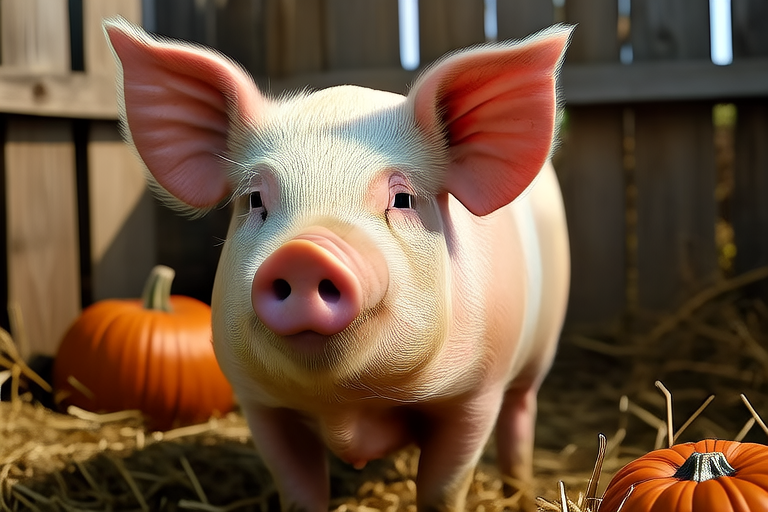
Beyond Cute: 10 Myths About Mini Pigs Debunked
Mini pigs have captured the hearts of many pet lovers, becoming increasingly popular as companion animals. Their compact size, charming demeanor, and intelligence make them seem like ideal pets for families and individuals alike. However, the growing trend has also led to widespread misinformation about these animals. It’s essential to separate fact from fiction to ensure that potential owners can make informed decisions about adopting a mini pig. This article aims to debunk ten common myths about mini pigs, providing a clearer understanding of what it truly means to own one.
Myth 1: Mini Pigs Are Always Tiny
One of the most pervasive myths about mini pigs is that they remain small throughout their lives. In reality, the term ‘mini’ is often misleading. While some breeds may stay relatively small, others can grow to be quite large. The Vietnamese pot-bellied pig, for example, can weigh between 90 to 200 pounds, depending on genetics and diet. Understanding the potential size of your pig is crucial for providing adequate living space and ensuring its well-being.
Myth 2: Mini Pigs Can Be Fully House-Trained
Many prospective owners assume that mini pigs can be fully house-trained like dogs. While it’s true that pigs can learn to use litter boxes, their natural instincts make complete house-training challenging. Unlike dogs, pigs lack the same level of pack-oriented behavior and don’t naturally understand the concept of bathroom areas. Proper training requires consistent effort and patience, and even then, accidents can occur. It’s important to manage expectations regarding indoor living arrangements.
Myth 3: Mini Pigs Are Low-Maintenance Pets
Contrary to popular belief, mini pigs require significant time and attention. They need regular grooming, including nail trimming and ear cleaning, to maintain good hygiene. Additionally, pigs are highly social creatures and thrive on interaction and mental stimulation. Without sufficient engagement, pigs can become bored, leading to destructive behaviors. Providing toys, puzzles, and ample playtime is essential for their happiness and well-being.
Myth 4: Mini Pigs Don’t Need Much Space
While mini pigs are smaller than standard farm pigs, they still need ample space to move around comfortably. A pig that is confined to a small area can suffer from health issues such as obesity and joint problems. Experts recommend at least 25 square feet per pig, but more space is better. Outdoor access is also beneficial, allowing pigs to engage in natural behaviors like rooting and foraging.
Myth 5: Mini Pigs Are Vegetarians
Another misconception is that pigs are vegetarians. In truth, pigs are omnivores, meaning they eat both plants and meat. A balanced diet for a mini pig should include high-quality commercial pig feed, fruits, vegetables, and occasional protein sources like eggs or fish. Feeding a varied diet ensures that pigs receive all necessary nutrients, promoting healthy growth and development.
Myth 6: Mini Pigs Are Naturally Clean Animals
Pigs are known for their cleanliness, often keeping themselves clean by wallowing in mud. However, this doesn’t mean they are inherently clean animals. Wallowing helps regulate body temperature and provides relief from parasites. Keeping pigs in a clean environment, with regular bathing and grooming, is essential for their health. Proper hygiene practices can prevent skin infections and other health issues.
Myth 7: Mini Pigs Are Easy to Train
Training mini pigs can be challenging due to their independent nature. Pigs are intelligent and can learn commands, but they require positive reinforcement techniques, such as treats and praise, rather than punishment. Consistency is key in training, and patience is required to build trust and obedience. With the right approach, pigs can be trained to perform various tasks and tricks, making them entertaining companions.
Myth 8: Mini Pigs Live Short Lives
It’s commonly believed that mini pigs have short lifespans. In reality, with proper care, mini pigs can live up to 15 years or more. Factors such as diet, exercise, and veterinary care significantly impact their longevity. Regular check-ups and a balanced diet are crucial for maintaining their health and extending their lifespan.
Myth 9: Mini Pigs Are Suitable for All Climates
Pigs are adaptable animals, but extreme temperatures can pose challenges. In very hot climates, pigs can suffer from heatstroke, while cold weather can lead to hypothermia. Providing shade, cool water, and insulation during extreme weather conditions is essential. Ensuring a comfortable environment enhances the pig’s quality of life and prevents health risks.
Myth 10: Mini Pigs Are Ideal Apartment Pets
Despite their small size, mini pigs are not suited for apartment living. They require outdoor space, mental stimulation, and social interaction. Apartments often lack the necessary resources to meet these needs, potentially leading to behavioral issues and poor health. For those living in urban areas, considering alternative housing options or finding a suitable outdoor space is recommended.
Summary
Owning a mini pig can be a rewarding experience, but it comes with unique responsibilities. By understanding and addressing common myths, potential owners can set realistic expectations and provide the best care for their new pet. Mini pigs are intelligent, social animals with specific needs for space, diet, and attention. Responsible pet selection involves researching thoroughly and ensuring you can commit to the long-term care and well-being of a mini pig. With the right knowledge and preparation, mini pigs can bring joy and companionship to their human families for many years.
