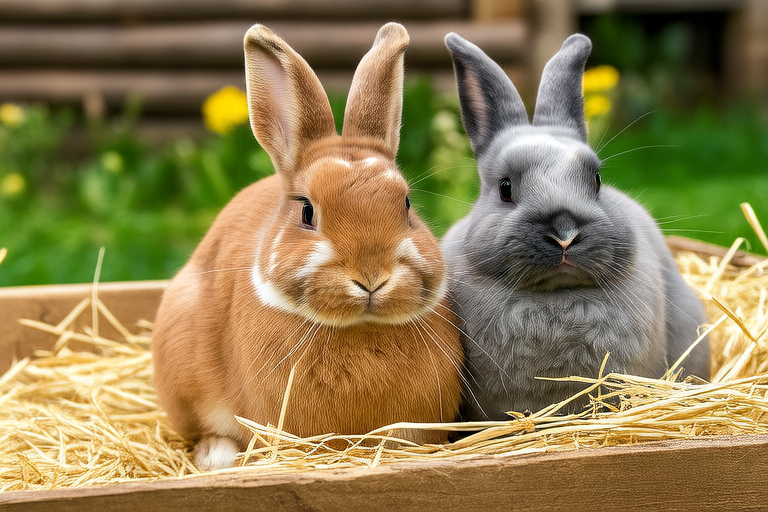
Dutch Dwarf Rabbits: A Comprehensive Guide
The Dutch Dwarf rabbit is a charming and delightful breed known for its compact size and friendly demeanor. These rabbits have a rich history and unique characteristics that set them apart from other breeds. This guide explores the origins, physical traits, personalities, and care requirements of Dutch Dwarf rabbits, providing insights into their special needs and the rewarding bond they share with their human companions.
Origins and History
The Dutch Dwarf rabbit originated in the Netherlands in the early 20th century. Breeders sought to create a smaller version of the standard Dutch rabbit by crossbreeding various dwarf breeds. The result was a rabbit with a distinctive appearance and endearing personality. Initially, these rabbits were primarily kept as pets, but over time, they gained popularity in show circuits due to their striking coloration and compact size.
Physical Traits
Dutch Dwarfs are one of the smallest breeds of domestic rabbits, typically weighing between 1.8 to 2.7 kg (4 to 6 pounds). They have a compact, stocky build with short legs and a broad head. Their most recognizable feature is their contrasting white blaze, which extends from the forehead down to the nose. This distinctive marking is complemented by a dark coat, usually black, chocolate, blue, or lilac. The combination of the white blaze and dark body gives them a classic “Dutch” look.
One of the most notable physical traits of Dutch Dwarfs is their small, fluffy tail. Despite their diminutive size, they have a robust and sturdy frame, which adds to their charm. Their ears are relatively short and rounded, contributing to their overall compact appearance. Their eyes are large and expressive, often reflecting their curious and playful nature.
Personality and Temperament
Dutch Dwarfs are known for their friendly and sociable personalities. They are generally gentle and affectionate, making them excellent pets for families and individuals alike. Many owners describe their Dutch Dwarfs as having a “big heart” despite their tiny tails. These rabbits enjoy interaction with their human companions and can be trained to perform simple tricks, such as coming when called or sitting up on command.
One owner, Sarah, shared her experience with her Dutch Dwarf rabbit, Lily. “Lily is always eager to greet me when I come home,” Sarah said. “She loves to sit on my lap and cuddle. She’s so gentle and responsive, it’s like she understands what I’m saying.” Another owner, Mark, added, “My Dutch Dwarf, Max, is very playful. He loves to explore new areas and will follow me around the house, always curious about what I’m doing.”
Care Requirements
While Dutch Dwarfs may be small, they require specific care to ensure they live long, healthy lives. Proper housing, diet, and exercise are essential components of their care routine.
Housing
Dutch Dwarfs should be housed in a spacious, clean environment that allows them to move freely and stretch out. A wire cage with solid flooring is ideal, as it provides good ventilation while preventing pressure sores that can occur on soft bedding. The cage should be large enough for the rabbit to stand up fully, stretch out, and turn around comfortably. Adding tunnels and toys can enrich their environment and keep them mentally stimulated.
Diet
A balanced diet is crucial for maintaining the health of Dutch Dwarfs. Their diet should consist of high-quality hay, fresh vegetables, and a limited amount of pellets. Timothy hay is particularly recommended, as it aids in digestion and helps wear down their continuously growing teeth. Fresh water should be available at all times.
Exercise
Dutch Dwarfs are active and enjoy exploring their surroundings. Providing ample space for them to run and play is important for their physical and mental well-being. Supervised playtime outside the cage in a safe, enclosed area is recommended. Owners should also engage in interactive play, such as hide-and-seek games or gentle handling sessions, to strengthen the bond between the rabbit and their human.
Health Maintenance
Regular veterinary check-ups are essential for the health of Dutch Dwarfs. Common health issues include dental problems, respiratory infections, and digestive disorders. Regular brushing helps maintain their coat’s condition and reduces the risk of hairballs. Grooming also provides an opportunity to monitor their overall health and catch any potential issues early.
Tips for Potential Owners
If you’re considering adding a Dutch Dwarf rabbit to your family, there are several factors to consider to ensure they thrive in your household.
Selecting the Right Breeder
Choosing a reputable breeder is crucial for obtaining a healthy and well-socialized rabbit. Look for breeders who prioritize the welfare of their animals and provide a nurturing environment. Responsible breeders will be knowledgeable about the breed’s specific needs and can offer guidance on proper care and feeding.
Creating a Safe Environment
Ensure your home is safe for your Dutch Dwarf by rabbit-proofing it. Remove toxic plants, secure electrical cords, and cover any small openings where the rabbit could get stuck. Providing a secure outdoor enclosure for supervised playtime can also enhance their quality of life.
Establishing Routine Care
Developing a consistent routine for feeding, grooming, and playtime helps your Dutch Dwarf feel secure and content. Regular interaction and positive reinforcement training can strengthen the bond between you and your pet. Additionally, monitoring their behavior and health closely allows you to address any concerns promptly.
Conclusion
Dutch Dwarf rabbits are a delightful addition to any home, offering companionship and joy with their unique blend of charm and personality. By understanding their origins, physical traits, and care requirements, owners can provide a nurturing environment that allows these small but mighty rabbits to thrive. Whether sharing stories of their antics or marveling at their loyalty, owners of Dutch Dwarfs often speak of the deep connection they share with their furry friends. With proper care and attention, Dutch Dwarfs can bring years of happiness and companionship to their human families.
