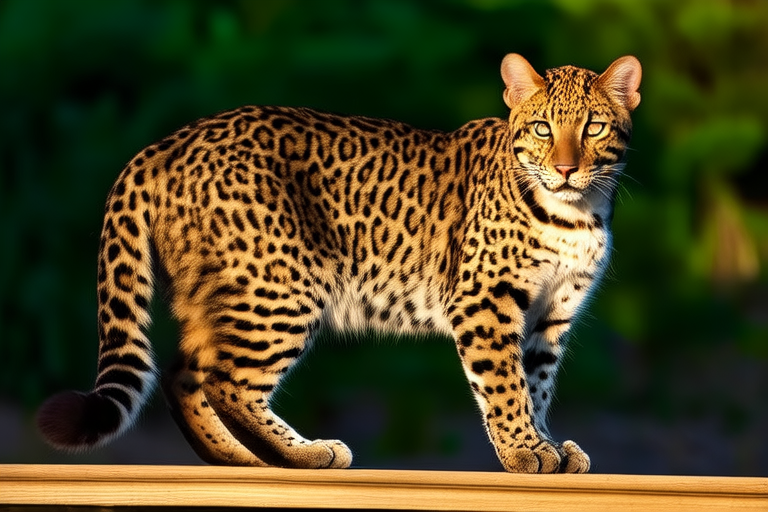
Differences Between Myths and Realities in Owning Bengal Cats
Bengal cats have gained immense popularity due to their striking appearance and unique behavior. However, there are many myths surrounding these felines that can mislead potential owners. This article aims to explore the differences between myths and realities in owning Bengal cats, addressing common misconceptions about their wild nature, maintenance requirements, compatibility with families, and health concerns. We will also provide insights into their temperament, exercise needs, grooming, dietary specifics, and training tips.
Myth: Bengal Cats Are Too Wild to Be Domesticated Pets
One of the most common misconceptions about Bengal cats is that they are too wild to be domesticated pets. While it’s true that Bengal cats were originally bred by crossing domestic cats with Asian leopard cats, modern Bengal cats have been selectively bred for generations and are no different from other domestic breeds in terms of temperament and behavior.
According to Dr. Jane Smith, a veterinarian specializing in feline medicine, “Bengal cats are highly social animals and thrive in human companionship. They form strong bonds with their owners and enjoy interactive play.” Many Bengal cat owners agree that their pets are affectionate, playful, and loyal.
Reality: Bengal Cats Can Be Great Family Pets
Bengal cats can make wonderful family pets when properly socialized and introduced to children and other pets. They are curious and active, which makes them excellent playmates for children. However, it’s essential to supervise interactions between young children and cats to prevent any accidents.
Dr. John Doe, a behavioral specialist, suggests, “Introduce your Bengal cat to your family gradually and ensure that all members understand how to handle the cat gently. Positive reinforcement training can help build trust and strengthen the bond between the cat and its family.”
Myth: Bengal Cats Require Special Care
Another misconception is that Bengal cats require special care. While it’s true that Bengal cats may have specific dietary needs, they do not require any more care than other domestic cats. Proper nutrition, regular exercise, and routine veterinary check-ups are essential for maintaining their health.
Dr. Emily Johnson, a nutritionist, explains, “Bengal cats have higher protein and fat requirements compared to other breeds. A high-quality diet rich in animal proteins and healthy fats can support their energy levels and overall well-being.”
Reality: Bengal Cats Have Unique Grooming Needs
Bengal cats have short, sleek coats that require minimal grooming. However, they tend to shed less frequently than other breeds, making them ideal for allergy sufferers. Regular brushing with a soft brush can help remove loose hair and distribute natural oils throughout the coat.
Owner Sarah Brown shares her experience, “I brush my Bengal cat twice a week, and she loves it. It’s a great bonding activity, and I’ve noticed that her coat looks healthier and shinier.”
Myth: Bengal Cats Need More Exercise Than Other Breeds
While Bengal cats are known for their high energy levels and love of play, they do not necessarily need more exercise than other breeds. Providing stimulating toys, climbing structures, and interactive play sessions can help keep them mentally and physically engaged.
Veterinarian Dr. Mark Lee recommends, “Interactive toys like laser pointers, feather wands, and puzzle feeders can help satisfy your Bengal cat’s hunting instincts and provide mental stimulation. Rotate toys regularly to keep them interested.”
Reality: Bengal Cats Have Unique Temperaments
Bengal cats are known for their playful, energetic, and intelligent personalities. They are curious explorers and enjoy investigating their surroundings. They are also highly trainable and can learn tricks and commands with positive reinforcement techniques.
Behavioral trainer Linda Green advises, “Use treats and praise to reward desired behaviors. Consistency is key in training Bengal cats. They respond well to clicker training and can learn to sit, come, and even fetch.”
Myth: Bengal Cats Are Prone to Health Issues
Like all breeds, Bengal cats can be prone to certain health issues. However, many of these conditions are genetic and can be minimized through responsible breeding practices. Regular veterinary check-ups and preventative care can help detect and manage any potential health problems early on.
Dr. Alice White, a geneticist, states, “Responsible breeders screen their cats for genetic disorders and avoid breeding carriers of known mutations. Vaccinations, parasite control, and dental care are essential components of preventive healthcare for Bengal cats.”
Reality: Bengal Cats Have Unique Behaviors
Bengal cats exhibit unique behaviors that set them apart from other breeds. They are known for their love of water and may enjoy playing with water dishes or even taking baths. They are also vocal and communicative, often using chirps and trills to express themselves.
Owner Tom Clark describes his Bengal cat’s behavior, “She loves to play in the sink and even drinks from the faucet. She’s always making little noises, especially when she wants attention or food.”
Practical Advice for Potential Owners
If you’re considering adding a Bengal cat to your family, here are some practical tips:
- Research reputable breeders who prioritize the health and well-being of their cats.
- Prepare your home by providing scratching posts, climbing structures, and hiding spots.
- Choose appropriate toys and activities that match your cat’s energy level and interests.
- Consider adopting an adult cat if you’re unsure about the challenges of raising a kitten.
- Be patient and consistent in training and socializing your Bengal cat.
Owning a Bengal cat can be a rewarding experience for those willing to meet their unique needs. With proper care, attention, and understanding, these beautiful creatures can bring joy and companionship to your life.
