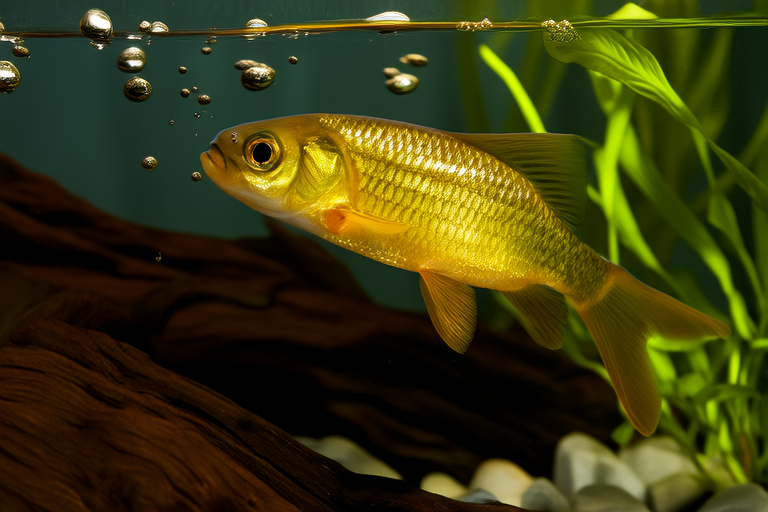
How to Keep Your Goldfish Happy and Healthy: Insider Tips
Welcome to the world of goldfish ownership! These vibrant and lively creatures are a favorite among aquarium enthusiasts, both novice and seasoned. However, maintaining their happiness and health requires more than just a tank and some food. This guide offers insider tips to help you create an optimal environment for your goldfish, ensuring they thrive in your care.
Proper Tank Setup
The first step in keeping your goldfish happy and healthy is setting up the right tank. Contrary to popular belief, goldfish need more space than a small bowl can provide. A minimum of 20 gallons is recommended for one goldfish, with an additional 10 gallons for each additional fish. Larger tanks reduce stress and allow for better filtration, which is crucial for maintaining water quality.
When choosing a tank, opt for a long, rectangular shape over a tall, narrow one. This design provides more surface area for oxygen exchange and reduces the likelihood of water disturbances that can stress your fish. Additionally, ensure the tank has a secure lid to prevent your goldfish from jumping out.
Substrate, such as gravel or sand, should be used to cover the bottom of the tank. This helps to keep the tank clean and provides a natural habitat for your fish. Avoid sharp or large pieces of substrate that could harm your goldfish. Decorative elements like plants and rocks can enhance the aesthetic appeal of the tank and offer hiding spots for your fish.
Common mistakes to avoid include overcrowding the tank and using inappropriate decorations. Overcrowding leads to poor water quality and increased stress for your fish, while sharp or toxic decorations can cause injuries or poisoning.
Water Quality Maintenance
Maintaining high water quality is critical for your goldfish’s health. Regular water changes are necessary to remove toxins and maintain a stable environment. Aim to change about 25% of the water weekly, ensuring that the new water is treated with a dechlorinator to remove harmful chemicals.
A robust filtration system is essential for removing waste and excess nutrients from the water. Choose a filter that matches the size of your tank and ensures adequate flow rates. Regular cleaning of the filter media is also important to prevent clogs and maintain its effectiveness.
Monitoring water parameters such as pH, ammonia, nitrite, and nitrate levels is vital. Ideal pH for goldfish ranges between 6.5 and 8.0. Ammonia and nitrite should always be at zero, while nitrate levels should be kept below 40 ppm. Test kits are available at pet stores and are an invaluable tool for monitoring these parameters.
To avoid common mistakes, never use tap water without treating it and refrain from overfeeding, as this can lead to excessive waste and higher toxin levels in the water.
Suitable Diet and Feeding Habits
Goldfish are omnivores and require a balanced diet to stay healthy. A combination of flake, pellet, and freeze-dried or frozen foods provides the necessary nutrients. High-quality commercial goldfish food should form the foundation of their diet, supplemented with occasional treats like bloodworms, brine shrimp, and algae wafers.
Feeding habits are just as important as the type of food. Feed your goldfish twice daily, offering only what they can consume within two minutes. Overfeeding is a common mistake that leads to poor water quality and obesity in goldfish. It’s also important to vary their diet to ensure they receive all necessary nutrients.
Goldfish have a unique digestive system that allows them to graze on algae and other plant matter. Providing some algae wafers or leaving a section of the tank uncleaned can encourage natural grazing behavior, which is beneficial for their health.
Appropriate Tank Mates
Choosing the right tank mates for your goldfish is crucial for maintaining harmony in the tank. Goldfish are generally peaceful but can be quite active, so they should be housed with compatible species. Some good options include danios, platies, and mollies. Avoid aggressive or fin-nipping fish like tiger barbs and bettas, as well as slow-moving species like angelfish, which may struggle to compete for food.
It’s important to note that goldfish can grow quite large, especially if they are fed properly. Therefore, smaller fish may become prey if housed with larger goldfish. Compatibility also depends on the specific temperament of the fish involved, so careful observation is necessary.
Avoid the common mistake of mixing incompatible species. Incompatible tank mates can lead to stress, aggression, and even death for your goldfish.
Regular Health Checks
Performing regular health checks on your goldfish is essential for early detection of any issues. Observe your fish daily for any unusual behavior or physical changes. Signs of distress may include lethargy, loss of appetite, abnormal swimming patterns, or visible lesions. Early intervention can often save a fish’s life.
Physical examinations should be conducted every few weeks. Check for signs of parasites, such as white spots or cloudiness in the eyes, and inspect the gills for discoloration or abnormalities. If you notice any concerning signs, consult a veterinarian specializing in aquatic animals for diagnosis and treatment.
To avoid common mistakes, refrain from handling your goldfish unnecessarily, as this can stress them. Always use a net designed for fish to minimize injury.
Signs of Distress
Recognizing the signs of distress in your goldfish is key to addressing potential health issues promptly. Common signs include labored breathing, clamped fins, rapid gill movement, and floating upside down. Changes in color, appetite, or activity level can also indicate problems.
If you observe any of these signs, take immediate action. Start by checking the water quality and making adjustments if necessary. If the issue persists, consider consulting a professional for further guidance. Quick response can make a significant difference in the outcome.
Prevent common mistakes by avoiding sudden changes in water temperature or chemistry, which can stress your goldfish. Regular water changes and proper filtration will also help maintain a stable environment.
Conclusion
By following these insider tips, you can ensure your goldfish live long, healthy, and happy lives. Proper tank setup, water quality maintenance, suitable diet, appropriate feeding habits, compatible tank mates, regular health checks, and recognizing signs of distress are all crucial aspects of goldfish care. With patience and attention to detail, you’ll be rewarded with the joy of watching your goldfish thrive in their home.
