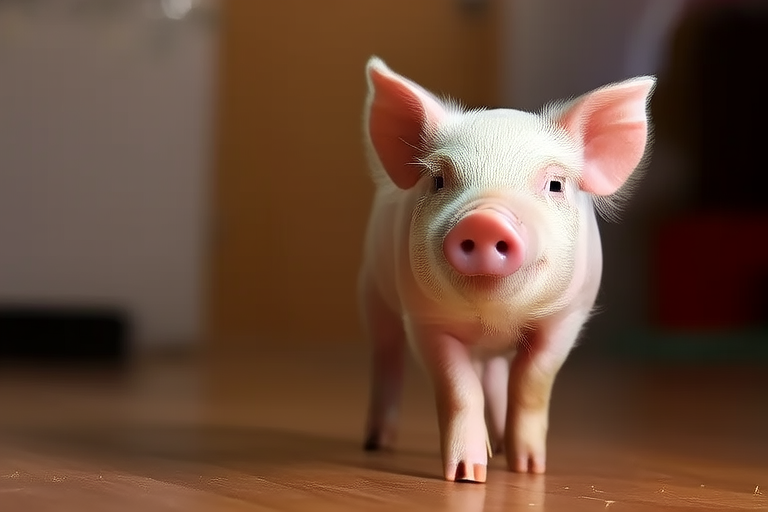
Tiny Tails, Big Hearts: Caring for Your Mini Pig Companion
Mini pigs have become increasingly popular as pets due to their intelligence, affectionate nature, and relatively small size compared to their larger counterparts. These charming creatures can be delightful companions, offering unconditional love and companionship. However, owning a mini pig requires commitment and understanding of their unique needs. This article aims to provide comprehensive guidance on caring for your mini pig companion, covering everything from nutrition and exercise to training and health.
Understanding Mini Pigs
Mini pigs come in various breeds, each with distinct characteristics. Some popular breeds include the Gloucestershire Old Spots, Juliana, and KuneKune. While they are often referred to as ‘mini’ or ‘teacup’ pigs, it’s important to note that even the smallest breeds can grow quite large. On average, mini pigs weigh between 50 to 70 pounds, but some can reach up to 150 pounds. Their life expectancy ranges from 12 to 20 years, making them long-term companions.
Nutrition
Proper nutrition is crucial for the health and well-being of your mini pig. Their diet should consist primarily of high-quality pig feed, supplemented with fresh vegetables and fruits. Avoid feeding them human food, especially items rich in sugar and fat, as these can lead to obesity and other health issues. Common feeding mistakes include overfeeding and providing inadequate water. Ensure your mini pig has access to clean water at all times.
Exercise and Play
Regular exercise is vital for maintaining your mini pig’s physical and mental health. Mini pigs enjoy outdoor activities such as walking on leashes and exploring safe areas. Indoor play can include interactive toys and puzzles designed to stimulate their minds. Providing ample opportunities for physical activity helps prevent obesity and keeps your pig mentally engaged.
Grooming
Grooming your mini pig involves several aspects. Regular nail trimming is necessary to prevent discomfort and injury. Use appropriate tools and consult a veterinarian if unsure. Teeth cleaning is also essential, though it can be challenging. Dental chews and regular veterinary check-ups can help maintain good dental health. Skin care focuses on keeping their coat clean and free from parasites. Regular brushing and bathing can prevent skin conditions.
Living Environment
Creating a safe and comfortable living environment for your mini pig is paramount. Mini pigs require sufficient space to move around comfortably. Indoor housing should include a sturdy pen or enclosure with soft bedding. Outdoor spaces should be secure, preventing escape or injury. Temperature regulation is crucial; mini pigs thrive in moderate climates and may need extra warmth in colder months. Maintaining hygiene through regular cleaning of their living area is also important.
Training Techniques
Training your mini pig using positive reinforcement methods can strengthen the bond between you and your pet. Reward good behavior with treats and praise. Consistency is key in establishing clear expectations. Training sessions should be short and frequent, lasting no more than 10-15 minutes. Focus on basic commands such as ‘sit,’ ‘stay,’ and ‘come.’ Avoid harsh punishments, as this can lead to fear and aggression.
Healthcare
Regular veterinary check-ups are essential for monitoring your mini pig’s health. Common health issues include respiratory infections, skin problems, and digestive disorders. Early detection and treatment are crucial. Signs of illness may include lethargy, loss of appetite, coughing, or changes in bowel movements. Establishing a relationship with a veterinarian who specializes in exotic animals can provide the best care for your pig.
Socialization
Socializing your mini pig ensures they feel loved and secure within their family. Introduce them gradually to new environments and people. Encourage gentle interactions and positive experiences. Mini pigs are intelligent and can form strong bonds with their owners. By providing love, attention, and a nurturing environment, you can ensure your mini pig feels part of the family.
