Inside the Life of a Red-eared Slider: Fun Facts and Myths Busted
The red-eared slider (Trachemys scripta elegans) is one of the most popular turtle species kept as pets worldwide. With their vibrant colors and relatively low maintenance requirements, these semi-aquatic turtles have captured the hearts of many animal enthusiasts. However, despite their widespread appeal, there are several misconceptions surrounding their care, behavior, and overall well-being. This article aims to provide an in-depth look into the life of a red-eared slider, dispelling myths and offering valuable insights for both novice and seasoned pet owners.
Introduction to the Red-eared Slider
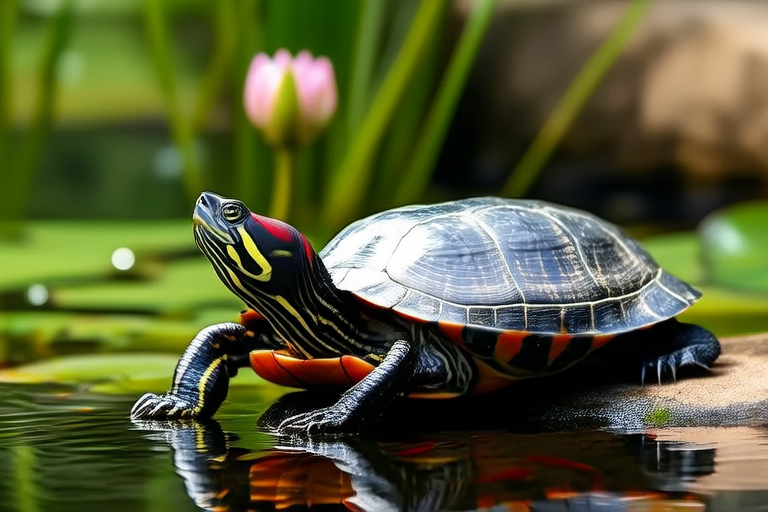
Native to the southern United States and northern Mexico, the red-eared slider gets its name from the distinctive red stripe behind each eye. These turtles are highly adaptable and thrive in various environments, which has contributed to their global popularity. As pets, they are known for their friendly demeanor and ease of care, making them an attractive choice for families and individuals alike.
Natural Habitat and Preferred Environment
In the wild, red-eared sliders inhabit freshwater areas such as ponds, lakes, and slow-moving rivers. They prefer calm waters with ample vegetation for basking and hiding. The ideal temperature range for their habitat is between 75°F and 85°F, ensuring that they can regulate their body temperature effectively. When kept as pets, it’s crucial to replicate these conditions to ensure their health and happiness.
Living Conditions for Pet Red-eared Sliders
To create a suitable living space for your pet red-eared slider, you’ll need a large aquarium or pond with a minimum capacity of 40 gallons per adult turtle. The enclosure should be equipped with a water filtration system to maintain cleanliness and prevent bacterial growth. Additionally, provide a basking area with a heat lamp and UVB light, essential for proper digestion and shell health.
Fun Facts About Red-eared Sliders
- Behavior: Red-eared sliders are primarily diurnal, meaning they are most active during the day. They spend a significant portion of their time basking under sunlight to absorb vitamin D3, which aids in calcium absorption.
- Diet: Their diet consists mainly of vegetables, fruits, and occasional protein sources like insects or fish. It’s important to offer a balanced diet rich in vitamins and minerals to support their growth and longevity.
- Lifespan: With proper care, red-eared sliders can live up to 40 years or more. This long lifespan makes them a lifelong companion for responsible owners.
Common Myths About Red-eared Sliders
One prevalent myth is that red-eared sliders require minimal attention due to their hardy nature. While they are indeed robust animals, neglecting their specific needs can lead to serious health problems. Another misconception is that these turtles hibernate naturally in captivity, leading some owners to believe that no special care is needed during colder months. In reality, hibernation requires careful preparation and monitoring to avoid fatal consequences.
Care, Health Issues, and Interaction with Humans
Proper care involves regular cleaning of the enclosure, maintaining optimal water quality, and providing a varied diet. Common health issues include respiratory infections, shell rot, and metabolic bone disease caused by insufficient calcium intake. Early detection and prompt treatment are vital for managing these conditions effectively.
Red-eared sliders are generally docile and enjoy interacting with their owners. However, handling should be done gently to avoid causing stress or injury. Regular interactions help build trust and make them more comfortable around people.
Tips for Potential Owners
Before bringing home a red-eared slider, research thoroughly and prepare adequately. Here are some key tips:
- Research: Understand the commitment involved in caring for a red-eared slider, including their dietary needs, housing requirements, and potential veterinary costs.
- Health Check: Always purchase from reputable breeders who prioritize the welfare of their animals. A thorough health check ensures you bring home a healthy pet.
- Regular Vet Visits: Schedule routine visits with a veterinarian specializing in reptiles to monitor your turtle’s health and address any concerns promptly.
- Environmental Enrichment: Provide opportunities for exploration and stimulation within the enclosure, such as floating logs or artificial caves.
In conclusion, owning a red-eared slider can be a rewarding experience filled with joy and learning. By understanding their unique characteristics and addressing common misconceptions, you can provide your pet with a fulfilling life. Remember, the bond between you and your turtle deepens over time, creating cherished memories that last a lifetime.
