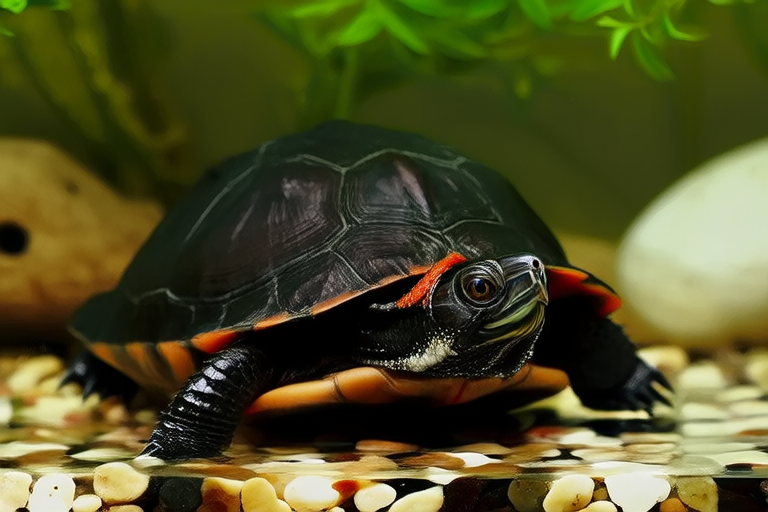
Top Secrets for Raising a Happy and Healthy Red-Eared Slider
Red-eared sliders are one of the most popular pet turtle species, known for their striking appearance and relatively easy care requirements. However, raising a happy and healthy red-eared slider requires more than just a tank and some food. This comprehensive guide will walk you through the essential tips on habitat setup, water quality maintenance, diet specifics, and healthcare. We’ll also highlight common mistakes to avoid and provide advice on handling and bonding with your turtle.
Habitat Setup: Creating the Perfect Home
The first step in ensuring your red-eared slider’s happiness and health is setting up the right habitat. These turtles are semi-aquatic, meaning they spend part of their time in water and part of it basking on land. Here’s how to create the ideal environment:
- Tank Size: For a single adult slider, a minimum of 40 gallons of water is recommended. Larger tanks are better, especially if you plan to add more turtles or decorations.
- Water Depth: The water should be deep enough for the turtle to swim comfortably but shallow enough to reach the surface easily.
- Basking Area: A dry area for basking is crucial. It should be large enough for the turtle to fully extend its limbs and stretch out its neck. Use a platform that is partially submerged so the turtle can easily climb onto it.
- UVB Lighting: Provide UVB lighting for 10-12 hours daily to help with calcium absorption and overall health. Make sure the bulb is positioned correctly and replaced every six months.
- Temperature Control: Maintain water temperatures between 75-80°F (24-27°C) and basking areas at around 90-95°F (32-35°C). Use aquarium heaters and thermometers to monitor and regulate these temperatures accurately.
Water Quality Maintenance: Keeping Clean and Fresh
Water quality is paramount for the health of your red-eared slider. Poor water conditions can lead to infections, skin issues, and even death. Here’s how to keep the water clean:
- Filtration: Invest in a high-quality filter that suits your tank size. Regular cleaning and maintenance of the filter are necessary to prevent the buildup of harmful substances.
- Regular Water Changes: Change 20-30% of the water weekly. More frequent changes may be needed if the turtle is shedding or if the tank is overcrowded.
- Chemical Testing: Test the water regularly for pH levels, ammonia, nitrite, and nitrate. Keep the pH between 6.5-8.0, and ensure no toxic levels of ammonia or nitrite.
- Gravel and Decorations: Use smooth gravel or sand that is too large for the turtle to swallow. Avoid sharp or rough decorations that could scratch the turtle’s shell.
Diet Specifics: Feeding Your Slider Properly
A balanced diet is key to maintaining your turtle’s health. Red-eared sliders are omnivores, meaning they eat both plant matter and animal protein. Here’s what you need to know about feeding them:
- Protein Sources: Offer a variety of protein-rich foods such as commercial turtle pellets, earthworms, crickets, and occasional feeder fish. Feed these items in moderation to avoid overloading the digestive system.
- Vegetables and Fruits: Provide leafy greens like romaine lettuce, dandelion leaves, and kale. Occasional fruits like strawberries and blueberries can be offered as treats.
- Vitamins and Minerals: Supplement their diet with calcium and vitamin D3 to support strong bones and shells. Dust their food with a reptile-specific multivitamin powder.
- Feeding Frequency: Feed juveniles daily, while adults can be fed every other day. Adjust portion sizes based on the turtle’s activity level and appetite.
Healthcare: Preventing and Treating Common Issues
Preventive care is essential for keeping your red-eared slider healthy. Regular check-ups and proactive measures can catch potential problems early. Here are some tips:
- Veterinary Care: Take your turtle to a veterinarian who specializes in reptiles at least once a year for a full examination. They can also advise on vaccinations and preventive treatments.
- Shell and Skin Checks: Inspect your turtle’s shell and skin regularly for any signs of injury, discoloration, or abnormal growths. Early detection can prevent serious issues.
- Parasite Prevention: Keep the tank clean and free from parasites. If you notice any signs of parasites, consult a veterinarian immediately.
- Common Health Problems: Be aware of common health issues such as respiratory infections, shell rot, and metabolic bone disease. Address these issues promptly with professional guidance.
Handling and Bonding: Building a Strong Relationship
Handling your red-eared slider correctly can enhance your bond with them and reduce stress. Here’s how to handle and interact with your turtle:
- Gentle Handling: Always support the turtle’s body when picking it up. Avoid lifting by the legs or tail, as this can cause injury.
- Frequency of Handling: While it’s important to interact with your turtle, excessive handling can cause stress. Limit handling to a few minutes each session.
- Positive Reinforcement: Reward your turtle with treats during handling sessions to encourage positive associations.
- Observation: Spend time observing your turtle in its natural environment. This helps you understand its behavior and needs better.
Common Mistakes to Avoid
Even experienced turtle owners can make mistakes. Here are some common pitfalls to watch out for:
- Overfeeding: Feeding your turtle too much can lead to obesity and other health issues. Stick to the recommended portion sizes.
- Inadequate Heating: Insufficient heating can slow down metabolism and digestion. Ensure proper temperature regulation in both water and basking areas.
- Poor Water Quality: Neglecting water quality can lead to bacterial infections and other illnesses. Regular water changes and filtration are essential.
- Lack of UVB Lighting: Without adequate UVB exposure, your turtle may develop metabolic bone disease. Always use appropriate lighting and replace bulbs as needed.
Conclusion
Raising a happy and healthy red-eared slider involves careful attention to detail and consistent effort. By following the tips outlined in this guide, you can create an optimal environment that supports your turtle’s physical and emotional well-being. Remember, each turtle is unique, so pay close attention to your pet’s individual needs and adjust care accordingly. With proper care, your red-eared slider can thrive and bring joy for many years to come.
