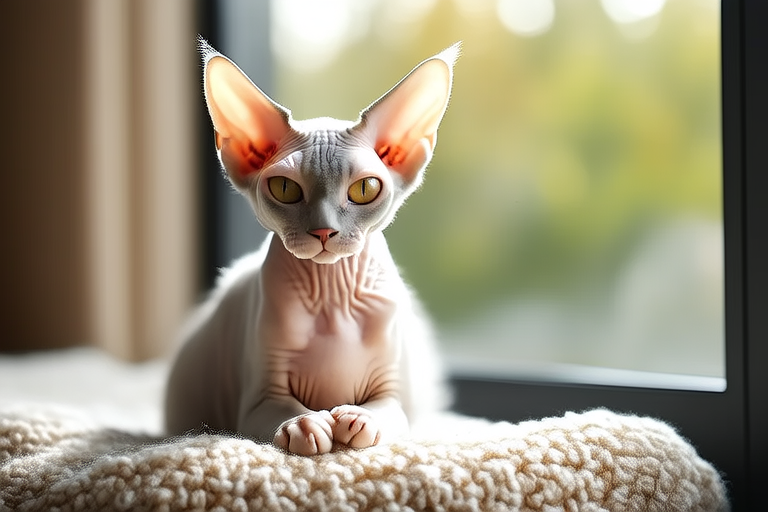
How to Care for Your Devon Rex: Tips from Experts on Keeping This Special Breed Happy
The Devon Rex is a unique and delightful cat breed that has captured the hearts of many pet lovers. Known for its short, curly coat, playful personality, and mischievous antics, the Devon Rex requires specific care to ensure its happiness and well-being. In this comprehensive guide, we will delve into various aspects of caring for your Devon Rex, offering insights from veterinarians and breeders who specialize in this special breed.
Understanding the Devon Rex Breed
The Devon Rex is a relatively new breed, originating in the 1960s in England. Their most distinctive feature is their short, wavy coat, which gives them a pixie-like appearance. These cats are highly intelligent, affectionate, and very active, making them excellent companions for families or individuals seeking an interactive pet. Their playful nature and curiosity often lead them to get involved in everything around them, making them a joy to watch.
Unique Coat Care
The Devon Rex’s coat is one of its most striking features, but it also requires special attention. Unlike other breeds, the Devon Rex does not shed as much, but their fur can mat easily if not properly maintained. Regular grooming is essential to keep their coat healthy and prevent skin irritations.
Grooming Frequency: Brush your Devon Rex at least once a week. Use a soft-bristled brush to gently remove loose hair and prevent matting. Pay extra attention to areas where their fur tends to curl more tightly, such as behind the ears and along the back.
Bathing: Bathing is generally not necessary unless your Devon Rex gets particularly dirty. If you do need to bathe them, use a mild, cat-specific shampoo and thoroughly rinse to avoid leaving any residue that could dry out their skin.
Dietary Considerations: A balanced diet rich in protein and fats is crucial for maintaining the health of your Devon Rex’s coat. Consult with your veterinarian to determine the best food options based on your cat’s age, weight, and activity level.
Dietary Needs
Devon Rexes have a high metabolism and require a diet that meets their nutritional needs while keeping them at a healthy weight. They are prone to obesity, so portion control is important. Choose high-quality, nutritionally balanced cat food that contains appropriate levels of protein, fats, carbohydrates, vitamins, and minerals.
Feeding Schedule: Feed your Devon Rex two to three small meals a day instead of one large meal. This helps regulate their metabolism and prevents overeating.
Treats: Treats can be given occasionally but should not exceed 10% of their daily caloric intake. Opt for healthy treats like freeze-dried liver or fish, avoiding those high in sugar or artificial additives.
Hydration: Always provide fresh, clean water for your Devon Rex. Some cats prefer running water, so consider investing in a pet water fountain to encourage drinking.
Exercise Requirements
Devon Rexes are known for their boundless energy and playful demeanor, making regular exercise essential for their physical and mental health. Interactive play sessions not only help them burn off excess energy but also strengthen the bond between you and your cat.
Interactive Toys: Invest in toys that stimulate their hunting instincts, such as feather wands, laser pointers, and puzzle feeders. Rotate toys periodically to keep them interested and engaged.
Vertical Spaces: Provide ample vertical space for climbing and perching. Cats love heights, and having access to shelves, cat trees, and window perches allows them to explore and observe their surroundings.
Playtime: Spend at least 15-20 minutes each day playing with your Devon Rex. This could involve chasing toys, hide-and-seek games, or even teaching them simple tricks. The key is to keep the activities varied and stimulating.
Social Interaction Preferences
Devon Rexes thrive on human interaction and are often described as “dog-like” in their loyalty and affection. They enjoy being part of family activities and tend to form strong bonds with their owners. However, they can also be quite independent, especially when they’re tired or want some alone time.
Handling: Handle your Devon Rex gently but confidently. They are generally comfortable with being picked up and held, but always respect their boundaries. If they show signs of discomfort, such as flattening their ears or swatting, it’s best to give them space.
Training: Devon Rexes are intelligent and can be trained to respond to commands and tricks. Positive reinforcement techniques, such as clicker training or rewarding good behavior with treats, work well with this breed.
Environmental Enrichment: Provide a stimulating environment with plenty of toys, scratching posts, and hiding spots. Rotate items regularly to keep them curious and engaged. Consider incorporating interactive feeders or treat-dispensing toys to make meal times more interesting.
Common Health Issues
While Devon Rexes are generally healthy cats, they are prone to certain genetic conditions that potential owners should be aware of. Regular veterinary check-ups and early intervention can help manage these issues effectively.
Hypertrophic Cardiomyopathy (HCM): This is a heart condition that causes thickening of the heart muscle. Early detection through echocardiograms can improve management and prognosis.
Patellar Luxation: This condition involves the kneecap slipping out of place, causing lameness. Surgery may be required in severe cases.
Dermatitis: Due to their sensitive skin, Devon Rexes can develop dermatitis, which manifests as red, itchy patches. Proper grooming and dietary adjustments can help manage this condition.
Ear Infections: Their large, low-set ears are susceptible to infections. Regular cleaning and monitoring can help prevent these issues.
Expert Advice
We reached out to veterinarians and breeders specializing in the Devon Rex breed to gather expert advice on maintaining the happiness and well-being of these special cats.
Veterinarian Dr. Emily Carter: “It’s important to establish a routine for your Devon Rex right from the start. Regular vet visits, consistent grooming, and structured playtimes help create a stable environment for them.”
Breeder Sarah Thompson: “Devon Rexes are very social creatures. Make sure they have enough interaction and stimulation throughout the day. They’ll appreciate it, and it will contribute to their overall happiness.”
Conclusion
Caring for a Devon Rex is a rewarding experience that requires dedication and attention to detail. By understanding their unique coat care, dietary needs, exercise requirements, social interaction preferences, and common health issues, you can ensure your Devon Rex lives a long, happy, and healthy life. With proper care and lots of love, your Devon Rex will bring joy and companionship to your home for years to come.
