The Ultimate Guide to Handling and Housing Tarantulas Safely
Tarantulas make fascinating pets for those who appreciate unique and exotic creatures. However, they require specific care and handling to ensure their well-being and the safety of their owners. This guide will provide an in-depth look at the world of tarantulas, covering everything from species selection to housing and care.
Understanding Tarantula Species
There are over 900 species of tarantulas, each with its own characteristics. Some are more docile and better suited for beginners, while others are more aggressive and require advanced care. Common beginner-friendly species include the Chilean Rose Hair (Grammostola rosea) and the Mexican Redknee (Brachypelma smithi). These tarantulas are generally calm and can be handled carefully. In contrast, species like the Brazilian Black (Grammostola pulchra) and the Pinkfoot (Avicularia avicularia) are known for their skittishness and should be approached with caution.
Appropriate Housing Setup
Size
The size of the enclosure is crucial for your tarantula’s comfort and health. A general rule is to provide 3x the length of the tarantula in height and 2x the length in width. For example, a 4-inch tarantula would need an enclosure that is at least 12 inches tall and 8 inches wide. Larger enclosures are always better, as they allow for more natural behavior and reduce stress.
Substrate
The substrate you choose for your tarantula’s enclosure should mimic their natural habitat. Many species prefer a mix of coconut fiber and peat moss, which retains moisture well and provides a comfortable burrowing environment. Avoid substrates that retain too much moisture or mold easily, as these can lead to respiratory problems.
Temperature and Humidity
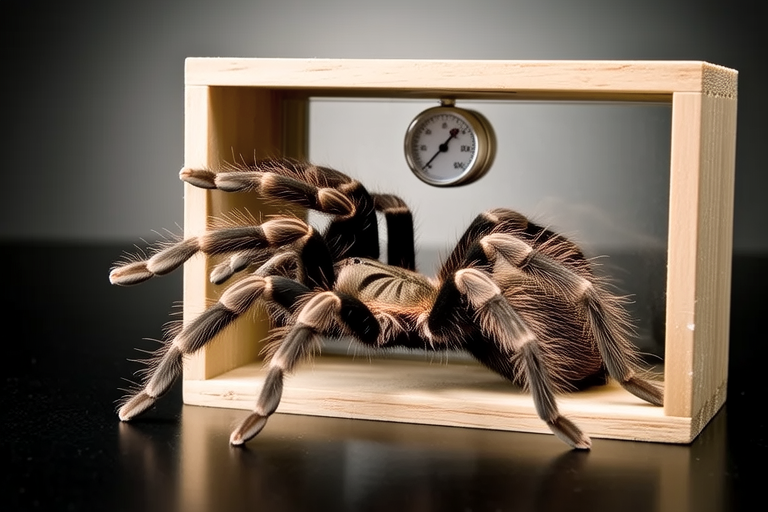
Most tarantulas thrive in temperatures between 75°F and 85°F (24°C to 29°C). Humidity levels vary depending on the species, but a general range is 60% to 80%. It’s important to monitor these conditions regularly, as extreme variations can cause health issues. Using a hygrometer and thermometer can help maintain optimal conditions.
Feeding Habits
Tarantulas are carnivorous and primarily feed on insects. Crickets, mealworms, and dubia roaches are popular choices. The size of the prey should be proportional to the tarantula; it should not exceed half the width of the spider’s body. Feeding frequency depends on the age and size of the tarantula, ranging from once every few weeks for juveniles to once every few months for adults. Always remove uneaten prey after a day to prevent them from attacking the tarantula.
Handling Techniques
Handling tarantulas requires patience and gentle movements. Always approach the tarantula slowly and avoid sudden movements. Place one hand gently on the tarantula’s back, and use your other hand to support its abdomen. Lift the tarantula carefully and place it on a flat surface. Never grab or squeeze the tarantula, as this can cause injury. Some tarantulas may be more tolerant of handling than others, so it’s important to respect their individual preferences.
Common Health Issues
One of the most common health issues in tarantulas is dehydration. This can be caused by insufficient humidity or poor water quality. Signs of dehydration include wrinkled skin and lethargy. Another issue is mite infestations, which can be introduced through contaminated substrate or prey. Regular cleaning and quarantine of new items can help prevent this. Lastly, tarantulas can suffer from regurgitation if they are stressed or have eaten too much. If you notice any unusual behavior or physical changes, consult a veterinarian specializing in exotic animals.
Safety Precautions for Owners
While tarantulas are generally safe to handle, they can bite if they feel threatened. Their venom is usually mild and only causes localized pain similar to a bee sting. However, individuals with allergies should exercise caution. Additionally, some species can eject urticating hairs, which can cause irritation to the eyes and skin. Always wear gloves when handling tarantulas known for this behavior.
Practical Tips for Responsible Care
- Regular Cleaning: Clean the enclosure weekly, removing waste and replacing substrate as needed.
- Environmental Enrichment: Provide hiding spots and climbing structures to encourage natural behaviors.
- Proper Hydration: Offer a shallow water dish and mist the enclosure regularly to maintain humidity.
- Monitoring Growth: Keep track of your tarantula’s growth and adjust the enclosure size accordingly.
Responsible tarantula care involves understanding the specific needs of your pet and providing a stimulating, healthy environment. By following these guidelines, you can ensure that your tarantula lives a long, happy life.
Conclusion
Owning a tarantula can be a rewarding experience for those willing to learn and provide proper care. From selecting the right species to setting up an ideal habitat, each step contributes to the overall well-being of your pet. With the right knowledge and dedication, you can enjoy the company of these captivating creatures safely and responsibly.
