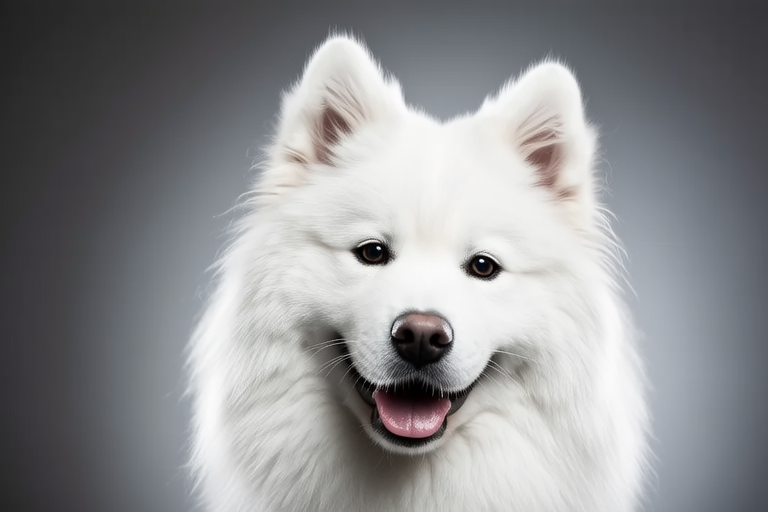
Samoyed Smiles: Unveiling the Secrets Behind Their Famous Grins
The world of dogs is filled with countless breeds, each unique in its own way. However, there is one breed that stands out for its infectious smile – the Samoyed. Known for their fluffy white coats and ever-present grins, Samoyeds have captured the hearts of many dog lovers around the globe. This article delves into the secrets behind the famous grins of Samoyeds, exploring their origins, genetics, and the care needed to keep them healthy and happy.
The Samoyed Breed: A Brief Introduction
The Samoyed is a medium-sized dog breed originating from Siberia, where they were used by the nomadic Samoyede people for herding reindeer, pulling sleds, and protecting their camps. These dogs are known for their thick, double-layered coats that protect them from the harsh Siberian winters. One of the most striking features of Samoyeds is their seemingly perpetual smile. This characteristic has made them popular not only in their native land but also across the world.
The Genetic Factors Behind the Samoyed Smile
The distinct smile of Samoyeds is largely due to their facial structure and genetic makeup. Unlike other dogs that may bare their teeth when baring their mouths, Samoyeds have a more relaxed jawline and a natural upward curve of their lips. This results in what appears to be a genuine smile. Veterinarian Dr. Emily Carter explains, “The unique facial structure of Samoyeds contributes significantly to their smile. They have a soft, almost human-like expression that makes them incredibly endearing.” Understanding this genetic trait helps explain why these dogs have become so beloved for their cheerful appearances.
A Historical Overview of the Samoyed Breed
The history of the Samoyed breed is rich with tales of resilience and companionship. Originating from Siberia, these dogs were essential to the survival of the Samoyede people. They were valued for their strength, loyalty, and adaptability in extreme climates. Over time, Samoyeds were introduced to other parts of the world through expeditions and trade routes. In the early 20th century, they gained popularity as show dogs and family pets due to their friendly and gentle nature.
Their role in sled-pulling and herding meant that Samoyeds had to be highly cooperative and responsive to human commands. This necessity shaped their temperament, making them inherently friendly and eager to please. Today, these traits continue to make Samoyeds excellent family pets and working dogs. Their friendly demeanor has become a hallmark of the breed, setting them apart from others.
Maintaining Samoyed Smiles: Health and Care Insights
To ensure that Samoyeds maintain their iconic smiles, proper care and attention are necessary. According to Dr. Carter, regular dental checkups are crucial. “Samoyeds can suffer from dental issues like any other breed,” she notes. “Regular brushing and professional cleanings help prevent gum disease and tooth decay, which could affect their ability to show off those charming smiles.”
In addition to dental care, maintaining the health of their coat is essential. Regular grooming helps remove dead hair and prevents matting, which can lead to skin irritation. Dr. Carter recommends weekly brushing sessions to keep their coats in top condition. Proper nutrition also plays a vital role in their overall health. A balanced diet rich in proteins and vitamins supports their energy levels and promotes a healthy immune system.
Anecdotes Highlighting Samoyed Cheerfulness
Stories abound of Samoyeds bringing joy and cheer to their owners and communities. In one instance, a Samoyed named Buddy became an internet sensation after his owner posted videos of him playing fetch in the snow. Buddy’s enthusiasm and playful nature resonated with viewers worldwide, showcasing the breed’s natural exuberance. Another story tells of a Samoyed named Luna who visited local nursing homes, providing comfort and companionship to residents.
These anecdotes illustrate the cheerful nature of Samoyeds in various settings. Whether it’s playing in the park, participating in agility competitions, or simply lounging at home, Samoyeds consistently bring smiles to those around them. Their friendly disposition makes them ideal companions for families, individuals, and even therapy work.
Tips for Potential Samoyed Owners
If you’re considering adopting a Samoyed, it’s important to understand the responsibilities involved. First and foremost, commitment to regular grooming and exercise is essential. Samoyeds are active dogs that require daily physical activity to stay healthy and happy. They thrive on outdoor activities such as hiking, running, and playing fetch.
Secondly, socialization is key. Samoyeds are naturally friendly and outgoing, but early exposure to different environments and people helps reinforce these positive traits. Training classes can also be beneficial, teaching basic commands and reinforcing good behavior.
Finally, patience and consistency are crucial. Samoyeds are intelligent and eager to learn, but they can also be independent thinkers. Consistent training and reinforcement of desired behaviors will yield the best results. With proper care and attention, owning a Samoyed can be a rewarding experience, filled with laughter and companionship.
Adopting a Samoyed means welcoming a loyal, affectionate companion into your life. While there are challenges associated with ownership, the rewards far outweigh the effort. Samoyeds bring joy, warmth, and endless smiles to their owners and everyone they meet.
Conclusion
The Samoyed breed is truly special, with their iconic smiles capturing the hearts of many. From their Siberian origins to their current status as beloved family pets, Samoyeds have maintained their friendly and cheerful nature throughout history. By understanding the genetic factors behind their smiles and the care needed to maintain them, we can ensure that these dogs continue to bring joy and companionship to their owners. For those considering adopting a Samoyed, the rewards of ownership are plentiful, making them a wonderful choice for the right family.
