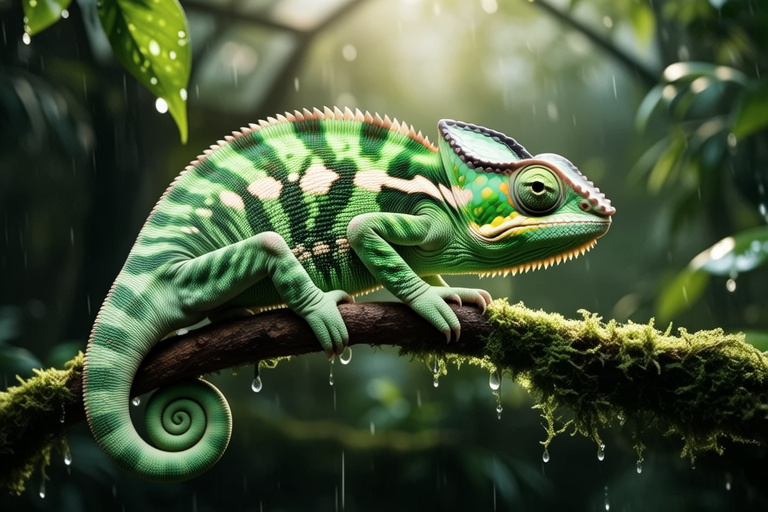
Survival Tips: Keeping Your Chameleon Stress-Free and Thriving in Captivity
Welcome to this comprehensive guide on how to keep your chameleon healthy and happy in a captive environment. Whether you’re a first-time owner or a seasoned reptile enthusiast, understanding the specific needs of your chameleon is crucial to its well-being. This article will delve into essential tips for setting up the ideal habitat, controlling temperature and humidity, providing a balanced diet, appropriate handling techniques, and recognizing signs of stress or illness. By following these guidelines, you’ll be able to create an environment that closely mimics the natural habitat of your chameleon, ensuring it thrives.
Understanding Chameleons
Chameleons are fascinating creatures with unique adaptations that allow them to survive in their natural habitats. They are arboreal, meaning they live among trees, and are native to Africa, Madagascar, southern Europe, and parts of Asia. In the wild, they enjoy climbing, basking, and hunting insects. Captive chameleons require environments that reflect these natural behaviors to maintain their physical and mental health.
Proper Habitat Setup
Housing Options
The first step in keeping your chameleon healthy is providing the right enclosure. A vertical cage with plenty of height is ideal, as chameleons love to climb. A minimum size for most species is 24 inches wide by 48 inches tall by 24 inches deep. Larger enclosures are better for bigger chameleons. Avoid glass aquariums, as they can cause overheating and don’t provide adequate ventilation.
Substrate
Do not use substrate like gravel or bark chips, which can be ingested accidentally. Instead, opt for no substrate at all, or use a layer of dampened coconut fiber that is changed regularly to prevent mold growth.
Furnishings and Plants
Provide plenty of branches and vines for climbing. Live or artificial plants can also serve as hiding spots and add aesthetic appeal. Make sure any decorations are secure and safe for your chameleon.
Temperature and Humidity Control
Heating
Chameleons need a gradient of temperatures within their enclosure to thermoregulate. Use a combination of heat lamps and ceramic heaters to achieve daytime temperatures between 75°F and 90°F (24°C to 32°C). Nighttime temperatures can drop slightly but should not go below 65°F (18°C).
Humidity
Maintain humidity levels between 40% and 70%. Mist the enclosure several times daily to raise humidity, and use a hygrometer to monitor levels accurately. Automated misting systems can help maintain consistent humidity.
Dietary Requirements
Variety is Key
A varied diet is crucial for a healthy chameleon. Offer a mix of insects such as crickets, dubia roaches, and waxworms. Gut-load these insects with nutritious food before feeding them to your chameleon to ensure they are full of vitamins and minerals. Dust the insects with a calcium supplement without vitamin D3 twice weekly and a multivitamin once weekly.
Feeding Frequency
Feed juveniles daily and adults every other day. Ensure food items are appropriately sized for your chameleon’s mouth.
Handling Techniques
Minimize Handling
Chameleons are delicate and can become stressed easily. Handle your chameleon only when necessary and always support its body fully. Avoid touching its tail or limbs, and never restrain it forcefully.
Safe Handling Practices
If you must handle your chameleon, gently scoop it from behind and support its entire body. Keep handling sessions short and calm, and always wash your hands before and after interacting with your pet.
Signs of Stress or Illness
Behavioral Changes
Watch for signs of stress such as lethargy, loss of appetite, excessive hiding, or unusual aggression. These behaviors can indicate that something in the environment is amiss.
Physical Symptoms
Physical symptoms of illness include runny stools, swollen eyes, or patches of skin discoloration. If you notice any of these signs, consult a veterinarian specializing in reptiles immediately.
Mimicking Natural Environments
Creating an environment that closely mirrors the natural habitat of your chameleon is key to its survival in captivity. This involves providing the right temperature gradient, humidity levels, and a variety of climbing structures and hiding places. Regular misting and proper lighting are also important. By focusing on these aspects, you can ensure your chameleon feels comfortable and secure.
Conclusion
By following these tips, you can provide your chameleon with a stimulating and healthy environment that promotes longevity and happiness. Remember, each chameleon is unique, so observe your pet closely and adjust its care accordingly. With the right setup and attention, your chameleon can thrive in its new home.
