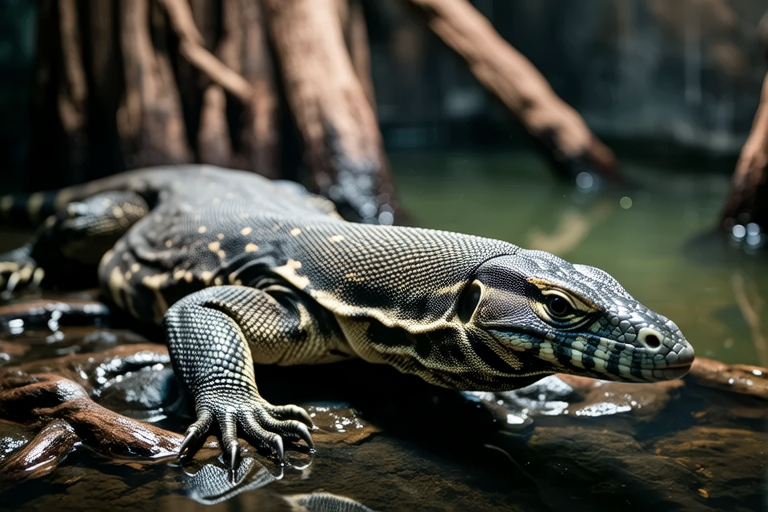
From Swamp to Home: Raising a Water Monitor as Your Exotic Friend
Welcome to the fascinating world of water monitors! These incredible creatures, native to Southeast Asia, are not only captivating but also require careful consideration before bringing one into your home. This guide will walk you through everything you need to know about raising a water monitor, from understanding their natural habitat and behavior to providing the right care and creating a bond with your new exotic friend.
The Natural Habitat and Behavior of Water Monitors
Water monitors (Varanus salvator) thrive in diverse environments ranging from mangrove swamps to freshwater rivers and lakes. They are semi-aquatic, meaning they spend significant time both in and out of water. Their natural habitat includes dense vegetation, rocky shores, and open fields. In the wild, these lizards are highly active and can be seen basking in the sun, swimming, or foraging for food.
Water monitors are opportunistic feeders and predators, consuming a wide variety of prey including insects, small mammals, birds, fish, and even other reptiles. Their sharp claws and powerful tails help them navigate through trees, dig burrows, and swim efficiently. They are also known for their excellent sense of smell, which aids in hunting and detecting potential threats.
Essential Care Guidelines: Diet, Housing, and Temperature Control
Diet
Proper nutrition is crucial for the health and longevity of your water monitor. In captivity, a balanced diet should include a mix of live prey items such as mice, rats, chicks, and feeder fish. Young monitors may prefer smaller prey like crickets or mealworms. It’s important to ensure that the prey items are appropriately sized for your monitor’s age and size to prevent choking hazards.
Vitamin and mineral supplementation is also necessary to prevent deficiencies. Dusting prey with calcium and vitamin D3 powders can help maintain strong bones and overall health. Feeding frequency depends on the age and size of your monitor; younger ones may eat daily, while adults can be fed every few days.
Housing
Creating an appropriate enclosure is vital for the well-being of your water monitor. The enclosure should be spacious enough to allow for swimming, climbing, and exploring. A minimum size of 8 feet by 4 feet by 6 feet is recommended for adult monitors, though larger enclosures are always preferable.
The enclosure should have a water area deep enough for swimming, along with climbing structures and branches for basking. Substrate can be a combination of mulch, coconut fiber, or sand, depending on your monitor’s preference. Ensure the substrate is safe and non-toxic, and avoid materials that could cause impaction if ingested.
Temperature Control
Maintaining the correct temperature gradient within the enclosure is critical for your monitor’s metabolism and digestion. A warm side of around 90-95°F (32-35°C) and a cooler side of 75-80°F (24-27°C) should be provided. Use heat lamps, ceramic heat emitters, or under-tank heaters to achieve this. A UVB light source is also beneficial for synthesizing vitamin D3 and maintaining good bone health.
A basking spot with temperatures between 100-110°F (38-43°C) is ideal for thermoregulation. Ensure that the enclosure has adequate ventilation to prevent overheating and promote air circulation.
Common Health Issues
Water monitors are generally hardy animals, but they can still face various health issues. Common problems include respiratory infections, parasites, and metabolic bone disease. Regular veterinary check-ups are essential for early detection and treatment of any issues.
Signs of respiratory infection include nasal discharge, labored breathing, and lethargy. Parasitic infestations can lead to weight loss, diarrhea, and poor appetite. Metabolic bone disease, caused by calcium and vitamin D3 deficiency, manifests as weak bones, fractures, and deformities. Maintaining proper nutrition and hygiene can significantly reduce the risk of these conditions.
Tips for Handling and Bonding
Handling your water monitor requires patience and gentle care. Start by allowing your monitor to become comfortable in its new environment before attempting to handle it. Always approach slowly and provide a stable surface for support. Use a towel or gloves to gently lift and hold your monitor, ensuring that its tail and limbs are supported.
Bonding with your monitor takes time and consistency. Spend regular, positive interactions with your monitor, offering treats and gentle handling sessions. Over time, your monitor may become more comfortable with handling and even show signs of recognition and affection.
Legal Considerations Regarding Ownership
Before acquiring a water monitor, it’s important to research and comply with local laws and regulations regarding exotic pet ownership. Some areas have restrictions or permits required for keeping certain species, including water monitors. Check with your local wildlife authority or department of agriculture for specific requirements in your area.
International trade of water monitors is regulated under CITES (Convention on International Trade in Endangered Species of Wild Fauna and Flora). It’s crucial to ensure that any monitor you purchase comes from a reputable breeder or rescue organization and has all necessary documentation.
Advice on Choosing the Right Monitor as a Pet
Choosing the right water monitor as a pet involves considering factors such as age, sex, and temperament. Juvenile monitors are often easier to acclimate to captivity but may grow faster and require larger enclosures sooner. Adult monitors are more expensive and may have established preferences for food and handling.
Sexual dimorphism is noticeable in water monitors, with males typically larger and more aggressive than females. Females tend to be more docile and manageable. Research breeders and rescues carefully, ensuring they prioritize the health and welfare of their animals. Look for clear eyes, healthy skin, and active behavior as indicators of good health.
In conclusion, raising a water monitor as your exotic friend is a rewarding but challenging endeavor. By understanding their natural habitat and behavior, providing proper care, and following legal guidelines, you can create a fulfilling relationship with your new pet. Remember, responsible ownership means dedicating time and resources to ensure the well-being of your water monitor throughout its life.
