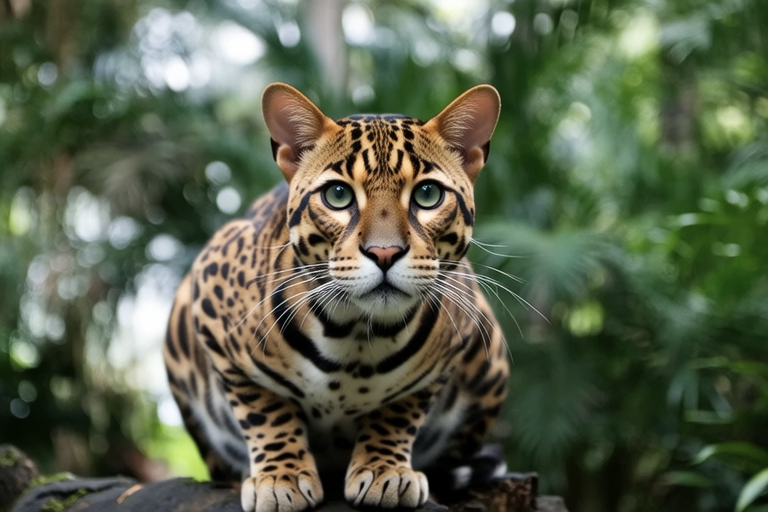
The Evolution and Characteristics of Bengal Cats
Bengal cats are one of the most fascinating and sought-after breeds in the world today. Their origin story is as intriguing as their striking appearance. Tracing their roots back to the wild jungles, Bengal cats have undergone an incredible journey to become beloved companions in domesticated homes. This article explores their evolution, physical traits, behavioral patterns, and unique adaptations. It also delves into their care requirements, social behaviors, common health issues, and dispels some popular myths about owning a Bengal cat.
Origins of the Bengal Cat
The Bengal cat’s history begins in the dense jungles of Asia, where their wild ancestors roamed freely. The breed was developed by crossing domestic cats with the Asian leopard cat (ALC), a small wild feline native to the region. The first documented breeding of a domestic cat with an ALC occurred in the 1960s when Jean Mill, a geneticist and cat breeder, aimed to create a domestic cat with the spotted coat of its wild relative. Over several generations, selective breeding reduced the wild traits while retaining the stunning appearance and playful nature of the ALC. Today, Bengal cats are recognized by major cat registries worldwide and are cherished for their exotic looks and friendly demeanor.
Physical Traits
Bengal cats are known for their sleek, muscular bodies, large ears, and almond-shaped eyes. Their coats are typically short but very soft, often described as ‘velvety.’ One of the most distinctive features of Bengal cats is their spotted or marbled coat patterns, which give them a wild appearance reminiscent of their ALC ancestry. These markings can range from dark brown or black spots on a tawny background to intricate swirling patterns that resemble marble. Some Bengals even possess a ‘glitter gene,’ making their fur appear to shimmer under light, adding to their allure.
Behavioral Patterns and Unique Adaptations
Bengal cats are highly intelligent and active animals, requiring mental and physical stimulation. They are known for their love of water, often playing in shallow pools or splashing in sinks and bathtubs. This trait is believed to be inherited from their wild ancestors, who lived near water sources in the jungle. Bengals are also excellent climbers, capable of scaling tall objects with ease. Their agility and curiosity make them natural explorers within their environment, and they enjoy exploring new spaces and solving puzzles.
One of the most endearing qualities of Bengal cats is their strong bond with their human companions. They are affectionate, loyal, and often seek attention from their owners. However, this does not mean they are lap cats; instead, they prefer interactive play and engagement. Bengals thrive in environments where they can express their energy through play and exploration. Providing them with toys, climbing structures, and interactive games helps satisfy their need for activity and mental stimulation.
Care Requirements
Owning a Bengal cat requires commitment and dedication. Proper care includes regular grooming, a balanced diet, and opportunities for exercise and enrichment. Despite their short coats, Bengal cats still require occasional brushing to remove loose hair and prevent matting. Regular veterinary check-ups ensure they stay healthy and up-to-date on vaccinations. Bengals are generally healthy cats, but like all breeds, they can be prone to certain conditions such as hip dysplasia, heart disease, and liver disorders.
Social Behaviors with Humans and Other Pets
Bengal cats are known for their friendly and outgoing personalities, making them great companions for families and individuals alike. They tend to form strong bonds with their owners and enjoy being part of the household activities. Bengals can coexist peacefully with other pets if introduced properly. Early socialization and positive reinforcement training help establish harmonious relationships between Bengals and other animals.
Myths Versus Realities
There are many misconceptions surrounding Bengal cats, particularly regarding their behavior and suitability as pets. One common myth is that Bengal cats are aggressive due to their wild ancestry. In reality, properly bred and socialized Bengals are gentle, affectionate, and well-behaved. Another misconception is that Bengals require constant supervision because of their high energy levels. While it’s true that Bengals are active and curious, they can be managed with appropriate outlets for their energy, such as playtime and environmental enrichment.
Tips for Potential Owners
If you’re considering adopting a Bengal cat, there are several factors to keep in mind. First, ensure you’re prepared for the time and effort required to meet their needs. Second, research reputable breeders who prioritize the health and temperament of their cats. Finally, be patient during the initial adjustment period as your Bengal gets used to its new home. With proper care and attention, Bengal cats make wonderful additions to any family.
In conclusion, Bengal cats offer a unique combination of wild beauty and domestic charm. Their evolution from wild jungles to loving homes is a testament to the power of selective breeding and the enduring appeal of these magnificent creatures. Whether you’re an experienced cat owner or a newcomer to the world of felines, a Bengal cat promises an enriching and rewarding experience. By understanding their origins, physical traits, behavioral patterns, and care requirements, you can ensure a happy and healthy life for your Bengal companion.
