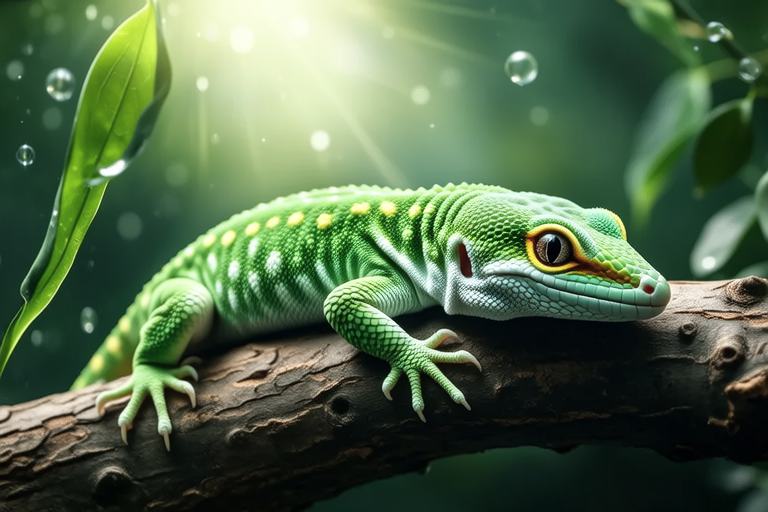
From Pet Store to Pal: Tips for Successfully Adopting and Bonding with a Chameleon
Welcome to the fascinating world of chameleons! These unique reptiles offer a rewarding and educational experience for pet owners who are prepared to meet their specific needs. Adopting a chameleon is a significant commitment, but with the right knowledge and care, you can enjoy a strong bond with your scaly companion. This guide will walk you through the process of bringing a chameleon into your home, from preparing your living space to understanding its dietary requirements and fostering a lasting connection.
Preparing Your Home Environment
Creating a suitable habitat is crucial for your chameleon’s health and happiness. Start by researching the species you’re interested in, as different types have varying environmental preferences. For instance, veiled chameleons thrive in warm, humid conditions, while panther chameleons require higher humidity levels. Once you’ve chosen a species, set up a spacious enclosure that mimics their natural habitat.
Your chameleon’s tank should be at least 3 feet wide, 2 feet deep, and 4 feet tall to provide ample space for climbing and exploring. Equip the enclosure with sturdy branches and vines for perching, and ensure there are plenty of hiding spots to give your chameleon privacy. Live or artificial plants can enhance the aesthetics and provide additional climbing opportunities. The substrate at the bottom of the tank should be non-toxic and easy to clean; some owners prefer no substrate at all to prevent ingestion hazards.
Lighting is another critical aspect of setting up a chameleon’s environment. UVB lighting is essential for vitamin D synthesis and calcium absorption. Choose a high-quality UVB bulb designed specifically for reptiles and place it within 6 to 12 inches of the basking spot. Additionally, provide a heat lamp to create a temperature gradient within the enclosure, allowing your chameleon to regulate its body temperature effectively.
Selecting the Right Chameleon
Choosing the right chameleon is a vital step in ensuring a successful adoption. Consider factors such as age, temperament, and health status when making your selection. Younger chameleons tend to adapt more easily to new environments and are generally more active, which can make them ideal for first-time owners. However, older chameleons may already have established routines and personalities, making them a good choice for experienced handlers.
When visiting a pet store or breeder, look for signs of good health, such as clear eyes, vibrant coloration, and alert behavior. Avoid chameleons that appear lethargic, have mucus around the mouth, or exhibit signs of respiratory distress. It’s also important to inquire about the chameleon’s history and any potential health issues it may have. A reputable seller will provide detailed information about the animal’s background and care instructions.
Once you’ve selected your chameleon, bring it home in a secure, ventilated container. Allow it time to acclimate to its new surroundings before handling or introducing it to other pets. This initial period is crucial for building trust and establishing a positive relationship with your new friend.
Understanding Dietary Needs
Chameleons are insectivores, meaning their diet primarily consists of live insects. Their nutritional needs are complex, requiring a variety of protein sources to maintain optimal health. Offer a diverse menu of appropriately sized crickets, dubia roaches, mealworms, and waxworms, adjusting the quantity based on your chameleon’s size and activity level.
In addition to live prey, supplement your chameleon’s diet with vitamins and minerals. Dust the insects with a calcium powder containing vitamin D3 and a multivitamin powder once or twice weekly. Be cautious not to over-supplement, as excessive amounts of certain nutrients can lead to health problems. Always consult with a veterinarian or experienced keeper for guidance on supplementation schedules.
Proper hydration is equally important. Chameleons obtain most of their water through misting, so invest in a reliable misting system that runs several times daily. Alternatively, you can hand-mist the enclosure using a spray bottle. Some chameleons may also drink from a shallow dish, but this should not be the primary source of hydration. Regular misting ensures they stay hydrated and promotes healthy skin and shedding.
Maintaining Optimal Health
To keep your chameleon in top condition, regular veterinary check-ups are essential. Find a reptile-savvy veterinarian who can provide specialized care for your pet. During these visits, the vet will monitor your chameleon’s weight, overall appearance, and any potential health issues. They may also recommend routine blood work or fecal exams to catch any problems early.
Monitoring your chameleon’s behavior and physical appearance between vet visits can help you identify potential health concerns. Watch for changes in appetite, activity levels, and coloration. Any sudden weight loss, lethargy, or abnormal postures could indicate an underlying issue that requires prompt attention. Early intervention can prevent minor problems from becoming serious health risks.
Adequate cleaning and maintenance of the enclosure are also key components of maintaining your chameleon’s health. Remove waste promptly and perform thorough cleaning sessions every few weeks. Use mild, pet-safe disinfectants to sanitize the tank and replace any soiled substrates or decorations. Regular cleaning helps prevent bacterial and fungal growth, reducing the risk of infections.
