American Shorthair Cats: A Beginner’s Complete Care Manual
Welcome to your ultimate guide to American Shorthair cats! If you’re considering bringing one of these delightful felines into your home, you’ve come to the right place. This article will provide you with all the information you need to ensure that both you and your new pet enjoy a happy, healthy life together. From understanding the breed’s history and temperament to learning about their dietary needs, grooming, exercise, and health concerns, we’ll cover everything you need to know to be a responsible American Shorthair cat owner.
Introduction to the American Shorthair Breed
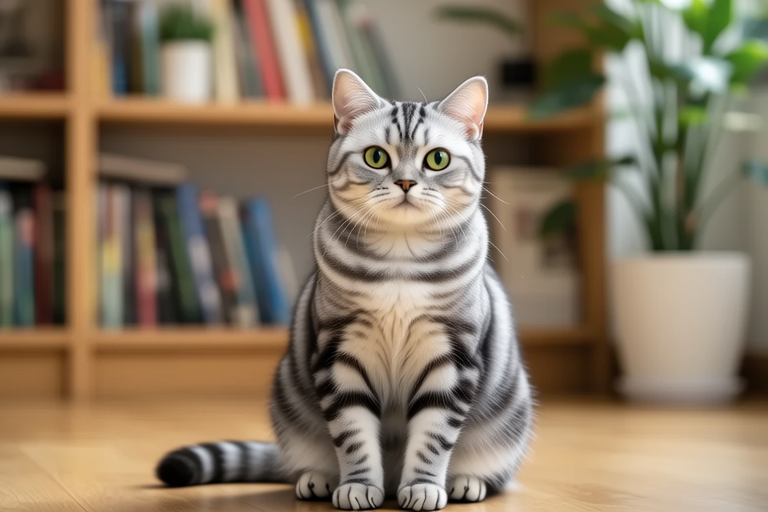
The American Shorthair is one of the most popular cat breeds in the United States. With their robust bodies, short, dense coats, and striking facial features, they are known for their classic beauty. These cats have a rich history dating back to the early settlers who brought them over from Europe to control rodent populations. Over time, they have evolved into the gentle, affectionate pets we know today. They come in various colors and patterns, including solid colors like black or white, tabby patterns, and even tortoiseshell.
Temperament and Common Behaviors
American Shorthairs are known for their calm and gentle demeanor. They are great companions for families with children and other pets. These cats are generally patient and can tolerate noise and activity well, making them ideal for busy households. They are also intelligent and curious, often engaging in playful activities with their owners. However, they are not overly demanding and prefer quiet, peaceful environments. While they enjoy company, they are independent and can entertain themselves when necessary. Their friendly nature makes them excellent candidates for homes where they will receive regular attention and affection.
Dietary Needs and Feeding Schedules
When it comes to feeding your American Shorthair, it’s important to choose a high-quality diet that meets their nutritional needs. Look for foods that contain real meat as the primary ingredient and avoid those with fillers or artificial preservatives. Dry food is a convenient option, but wet food can be beneficial for hydration and added nutrition. You can feed your cat twice a day, ensuring they consume enough calories to maintain a healthy weight. Be mindful of portion sizes and avoid overfeeding, which can lead to obesity. Always provide fresh water and consider interactive feeding toys to keep your cat engaged during meal times.
Grooming Requirements
American Shorthairs have short, easy-to-maintain coats that require minimal grooming. Weekly brushing helps remove loose hair and prevents matting, especially during shedding seasons. Bathing is rarely necessary unless your cat gets particularly dirty. Pay attention to their nails, trimming them regularly to prevent overgrowth and discomfort. Additionally, clean their ears and teeth regularly to maintain good hygiene. Regular grooming sessions are a great opportunity to bond with your cat and check for any unusual lumps or bumps.
Exercise and Playtime Recommendations
While American Shorthairs are relatively low-maintenance in terms of physical activity, they still need regular exercise to stay healthy and happy. Provide them with toys that encourage movement, such as feather wands or laser pointers. Interactive play sessions are not only fun but also help build a strong bond between you and your cat. Consider creating climbing structures or scratching posts to satisfy their natural instincts. Remember, mental stimulation is just as important as physical exercise, so engage your cat in puzzle toys or hide treats around the house for them to find.
Health Issues Specific to the Breed
Like all breeds, American Shorthairs are prone to certain health issues. Hypertrophic cardiomyopathy (HCM) is a heart condition that can affect this breed. It’s important to monitor your cat’s respiratory rate and seek veterinary care if you notice any signs of difficulty breathing. Polycystic kidney disease (PKD) is another concern, characterized by the formation of cysts on the kidneys. Regular veterinary check-ups and genetic testing can help detect these conditions early. Other common issues include dental problems and obesity, which can be managed through proper diet and regular dental care. Stay proactive about your cat’s health by scheduling routine vet visits and following the recommended vaccination schedule.
Tips for Training and Socializing Your Cat
Training and socializing your American Shorthair can enhance their behavior and make them more comfortable in different situations. Positive reinforcement techniques, such as rewarding good behavior with treats or praise, are highly effective. Teach basic commands like “sit” or “come” using consistent hand signals and vocal cues. Encourage socialization by introducing your cat to new people, animals, and environments gradually. This will help them become confident and adaptable. Crate training can be useful for travel or separation anxiety, but always ensure the crate is comfortable and inviting. Patience and consistency are key when training your cat, so take things at their pace and celebrate small victories along the way.
Conclusion
Owning an American Shorthair cat is a rewarding experience filled with love, companionship, and joy. By understanding their unique needs and providing proper care, you can ensure a long, healthy life for your furry friend. Remember, being a responsible pet owner involves commitment and dedication. Take the time to learn about your cat’s individual personality and preferences, and adjust your care accordingly. With the right approach, you and your American Shorthair will form a lasting bond that brings happiness to both of your lives.
