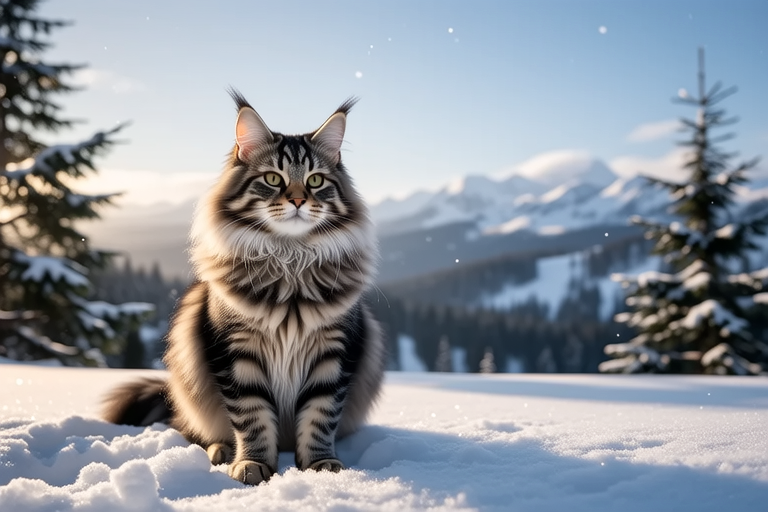
Unraveling the Mystery: Why Norwegian Pets Thrive in Cold Climates
In the heart of Scandinavia, where winter’s icy grip tightens, Norwegian pets exhibit remarkable resilience and adaptability. This article delves into the genetic adaptations, dietary habits, and environmental factors that contribute to their thriving in cold climates. We will explore how these animals have adapted over generations to withstand freezing temperatures, and the role of pet owners in ensuring their animals’ well-being during the winter months.
Genetic Adaptations
The resilience of Norwegian pets can be attributed partly to their genetic makeup. Over centuries, natural selection has favored animals with traits that enhance survival in harsh conditions. Dogs, for instance, have thick double coats that provide insulation against the cold. The outer coat is water-resistant, while the inner layer acts as a thermal barrier. Breeds like the Norwegian Elkhound and the Samoyed are prime examples of such adaptations.
Cats, too, possess unique genetic traits that aid in their survival. Their fur is denser in colder regions, and they have a higher metabolism to generate more body heat. Additionally, cats have smaller ears and noses compared to their warm-climate counterparts, reducing surface area for heat loss. These genetic advantages have been passed down through generations, making them well-suited to their environment.
Dietary Habits
Proper nutrition plays a crucial role in maintaining the health and vitality of Norwegian pets. A balanced diet rich in fats and proteins helps pets generate body heat and maintain energy levels during long, cold winters. Pet owners often supplement their pets’ diets with omega-3 fatty acids, which are known to improve skin and coat quality, further enhancing insulation.
Water intake is also vital, especially when water sources may freeze. Pet owners ensure their animals have access to fresh, clean water at all times. Some owners even invest in heated water bowls to prevent freezing. Proper hydration aids in digestion and overall health, ensuring pets remain active and alert despite the cold.
Environmental Factors
The environment in Norway presents both challenges and opportunities for pets. Snow-covered landscapes offer ample space for exercise and play, which is essential for physical and mental well-being. However, the risk of hypothermia and frostbite necessitates careful monitoring by pet owners.
Shelter is paramount. Pet owners provide insulated kennels or indoor spaces that protect their pets from the elements. These shelters are equipped with bedding, such as straw or blankets, to keep pets cozy and dry. Ventilation is also crucial to prevent the buildup of moisture, which could lead to respiratory issues.
Care Practices During Winter Months
Pet owners in Norway take several measures to ensure their animals’ well-being during winter. Regular grooming is essential to remove dead hair and mats, which can trap moisture and cause discomfort. Owners also check for signs of frostbite or hypothermia, such as shivering, lethargy, or pale gums.
Vaccinations and parasite control are critical. Despite the cold, ticks and fleas can still pose a threat. Vaccinations protect against diseases that could weaken an animal’s immune system, making it more susceptible to cold-related illnesses.
Comparison with Pets in Warmer Climates
Comparing Norwegian pets with those in warmer climates reveals distinct differences in health and behavior. Norwegian pets tend to have a more robust constitution, with thicker coats and higher metabolic rates. They are generally more active in winter, utilizing snow-covered areas for exercise and play.
In contrast, pets in warmer climates often suffer from heat-related issues during summer months but face fewer challenges in winter. Their thinner coats and lower metabolic rates make them less suited for cold environments. Behavioral changes in warmer-climate pets include increased lethargy and reduced activity during cooler periods.
Evidence-based studies support these observations. Research indicates that pets in cold climates develop better cardiovascular health due to increased physical activity. Conversely, pets in warmer climates may experience more joint problems, particularly in older animals, due to less frequent exercise.
Conclusion
The resilience of Norwegian pets in cold climates is a testament to the power of genetic adaptation, dietary habits, and environmental factors. Natural selection has played a significant role in shaping these animals, while responsible pet ownership ensures their well-being during winter months. Comparisons with pets in warmer climates highlight the unique challenges and advantages faced by each group.
As climate change continues to affect global weather patterns, understanding how pets adapt to their environments becomes increasingly important. By learning from the resilience of Norwegian pets, we can better prepare our furry friends for whatever challenges the future may bring.
