Chilean Rose Tarantula: Debunking Myths and Separating Fact from Fiction
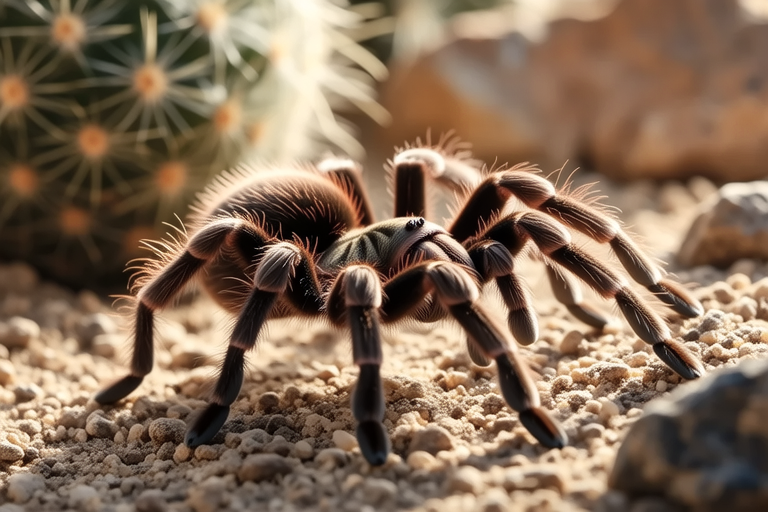
The Chilean Rose Tarantula (Grammostola rosea) is one of the most popular species of tarantulas among hobbyists and enthusiasts. This beautiful arachnid, known for its distinctive pinkish-brown hue, is native to the arid regions of Chile, Bolivia, and Argentina. Despite its popularity, many misconceptions surround this fascinating creature. This article aims to shed light on the truth about the Chilean Rose Tarantula, separating fact from fiction and providing valuable insights into its care and behavior.
Appearance and Natural Habitat
The Chilean Rose Tarantula is easily recognizable due to its vibrant coloration. When young, they exhibit a more pronounced pink hue that fades as they mature, eventually becoming a deep brown or black. Their legs are adorned with fine hairs, which help them detect vibrations and sense their environment. These tarantulas are relatively small compared to other tarantula species, with females reaching an average size of around 4 inches (10 cm) and males slightly smaller at about 3 inches (7.5 cm).
Native to the desert and scrubland regions of South America, the Chilean Rose Tarantula thrives in dry, warm environments. They prefer burrowing in sandy soil, where they create elaborate tunnels to hide from predators and regulate their body temperature. The arid climate and sparse vegetation of their habitat have shaped their unique adaptations, making them well-suited to life in harsh conditions.
Common Myths and Misconceptions
Tarantulas, like many misunderstood creatures, are often surrounded by myths and misconceptions. One of the most pervasive myths is that all tarantulas are deadly and highly aggressive. While it’s true that some tarantula species can be dangerous, the Chilean Rose Tarantula is far from being a threat to humans. In reality, these tarantulas are generally docile and only bite when provoked or mishandled.
Another misconception is that tarantulas are venomous and their bites can cause severe health issues. While tarantulas do possess venom, it is primarily used to subdue their prey, consisting mainly of insects and small vertebrates. For humans, a bite from a Chilean Rose Tarantula is comparable to a bee sting, causing mild pain and swelling that usually subsides within a few hours. In rare cases, individuals with allergies may experience more severe reactions, but this is uncommon.
Contrary to popular belief, tarantulas are not particularly aggressive animals. In the wild, they prefer to avoid confrontation and will only resort to biting if they feel threatened. In captivity, they tend to be calm and can even become accustomed to handling with proper care and training.
Diet and Lifespan
The Chilean Rose Tarantula is primarily an insectivore, feeding on a variety of insects such as crickets, mealworms, and wax moths. In the wild, they also consume small vertebrates like lizards and mice. Captive tarantulas should be provided with a varied diet to ensure they receive all necessary nutrients. It’s important to note that overfeeding can lead to obesity, so feeding should be done in moderation, typically once or twice a week depending on the tarantula’s age and size.
In terms of lifespan, the Chilean Rose Tarantula is one of the longer-lived tarantula species. Females can live up to 20 years, while males generally have a shorter lifespan of about 5 to 8 years. Proper care, including appropriate housing, diet, and environmental conditions, plays a crucial role in extending their lifespan.
Behavior in Captivity
Capturing the essence of the Chilean Rose Tarantula’s behavior in captivity is essential for anyone considering keeping one as a pet. These tarantulas are solitary creatures and prefer living alone. Providing a spacious terrarium with plenty of hiding spots, such as cork bark or artificial caves, helps recreate their natural burrowing habits. A layer of substrate, such as coconut fiber or vermiculite, allows them to dig and maintain humidity levels.
Maintaining the right temperature and humidity is critical for the health of your tarantula. The ideal temperature range for a Chilean Rose Tarantula is between 75°F and 85°F (24°C to 29°C), with relative humidity levels around 60% to 80%. Regular misting of the enclosure can help maintain the required humidity levels. Additionally, providing a shallow water dish ensures they have access to fresh water.
Handling your tarantula should be done carefully and infrequently. Always use a hand or spoon to gently guide them out of their enclosure, avoiding direct contact with their sensitive hairs. Over time, with consistent and gentle handling, some tarantulas may become more tolerant of human interaction.
Advice for Potential Owners
If you’re considering adding a Chilean Rose Tarantula to your family, there are several factors to consider. First and foremost, ensure you are prepared for the long-term commitment. Tarantulas require specific care and attention, and their longevity means they could be part of your life for many years. Research thoroughly before purchasing, ensuring you understand the requirements for housing, diet, and general care.
It’s also important to purchase your tarantula from reputable sources. Avoid buying from pet stores that may not prioritize the welfare of their animals. Instead, opt for breeders who specialize in tarantulas and can provide detailed information about the individual’s history and care needs.
Responsible pet care goes beyond just meeting the basic needs of your tarantula. Regular monitoring of their health and environment is crucial. Keep an eye out for signs of stress or illness, such as lethargy, refusal to eat, or changes in behavior. If you notice any concerning symptoms, consult a veterinarian specializing in exotic pets for guidance.
Conclusion
The Chilean Rose Tarantula is a fascinating and rewarding pet for those willing to invest the time and effort into understanding and caring for these unique creatures. By debunking common myths and providing accurate information, we hope to encourage responsible ownership and appreciation for these misunderstood arachnids. Whether you’re a seasoned tarantula enthusiast or new to the world of exotic pets, the Chilean Rose Tarantula offers a captivating glimpse into the wonders of nature.
Remember, owning a tarantula is a significant responsibility that requires dedication and knowledge. With the right care and attention, your Chilean Rose Tarantula can thrive and bring joy to your home for many years to come.
