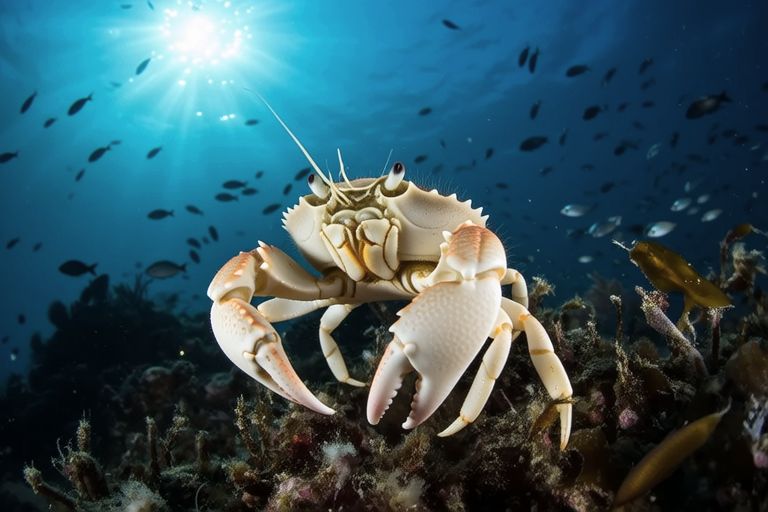
From Ocean Depths to Dinner Plates: Discovering the Pea Crab Journey
The world of marine life is vast and diverse, teeming with creatures that have adapted to their environments in fascinating ways. One such creature is the pea crab (Pinnotheres), a tiny crustacean named for its resemblance to a garden pea. This article delves into the unique characteristics of pea crabs, their symbiotic relationships, habitat preferences, environmental challenges, and their journey from ocean depths to dinner plates.
Introduction to Pea Crabs
Pea crabs belong to the family Pinnotheridae, comprising approximately 70 species. These crabs are notable for their small size, typically ranging from 5 to 15 millimeters in length. Their diminutive stature belies their significant role within marine ecosystems. Pea crabs are often overlooked, but their unique adaptations and interactions with other marine organisms make them a subject of interest for marine biologists.
Symbiotic Relationships
One of the most intriguing aspects of pea crabs is their symbiotic relationship with other sea creatures. Pea crabs are commensalists, meaning they benefit from living in or on another organism without harming it. The most common hosts for pea crabs include sea cucumbers, clams, oysters, and certain species of scallops. By residing within these larger organisms, pea crabs gain protection from predators and access to food resources.
For instance, pea crabs often inhabit the mantle cavity of bivalve mollusks, where they feed on the mucus and detritus produced by the host. In return, pea crabs offer no direct benefit to their hosts, but their presence does not harm them either. Some studies suggest that pea crabs may even provide a cleaning service by consuming parasites or dead tissue, although this remains a topic of debate among scientists.
Habitat and Migration Patterns
Pea crabs are found in a variety of marine environments, from shallow coastal waters to the deep sea. They prefer areas rich in organic matter and potential hosts, such as estuaries, coral reefs, and seagrass beds. Temperature, salinity, and oxygen levels play crucial roles in determining suitable habitats for pea crabs.
Migration patterns of pea crabs are influenced by environmental factors such as water temperature and availability of hosts. As temperatures rise during warmer months, pea crabs may migrate to deeper waters or move between different habitats in search of more favorable conditions. Understanding these migration patterns is essential for predicting how pea crabs might respond to climate change and habitat alterations.
Challenges in the Natural Environment
Despite their adaptability, pea crabs face numerous challenges in their natural environment. Pollution, overfishing, and climate change pose significant threats to their survival. Pollution, especially from oil spills and agricultural runoff, can contaminate the waters where pea crabs live, affecting both their hosts and food sources. Overfishing of host species reduces the number of available homes for pea crabs, while climate change alters water temperatures and chemistry, potentially disrupting their reproductive cycles.
Efforts to mitigate these threats include stricter regulations on pollution and fishing practices, as well as research aimed at understanding the ecological roles of pea crabs and their importance to marine ecosystems. Conservation efforts are crucial for ensuring the survival of pea crabs and maintaining the balance of marine biodiversity.
Pea Crabs on the Plate
In addition to their ecological significance, pea crabs also play a role in human cuisine. In some cultures, particularly in Asia, pea crabs are considered a delicacy. For example, in China, Japan, and Korea, pea crabs are sometimes harvested from their host organisms and prepared as part of traditional dishes. However, the practice of harvesting pea crabs raises concerns about sustainability, given the potential impacts on host populations and overall ecosystem health.
To address these concerns, sustainable fishing practices are essential. This includes implementing quotas and monitoring programs to ensure that harvests do not exceed sustainable limits. Additionally, promoting alternative culinary options that do not involve harvesting pea crabs can help reduce pressure on these tiny crustaceans and their hosts.
Conclusion
The journey of pea crabs from ocean depths to dinner plates is a testament to the intricate web of life in our oceans. From their unique adaptations and symbiotic relationships to the challenges they face in a changing world, pea crabs are a fascinating subject for marine biologists and enthusiasts alike. By understanding and appreciating the role of pea crabs in marine ecosystems, we can work towards preserving these delicate creatures and the ecosystems they inhabit.
As we continue to explore and learn about the marine world, it is crucial to approach conservation with a balanced perspective, considering both the needs of wildlife and the cultural practices of human communities. Through education, research, and responsible stewardship, we can ensure that pea crabs and other marine organisms thrive for generations to come.
