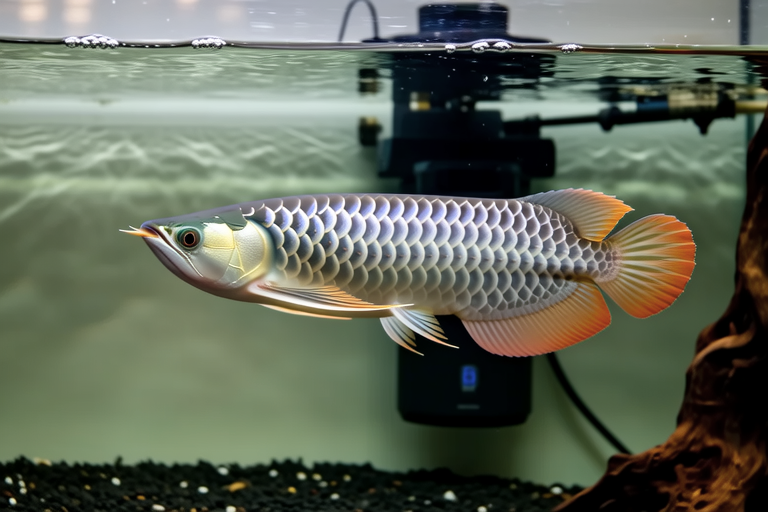
Caring for Arowana Fish: A Comprehensive Guide
Arowana fish are among the most majestic creatures in the freshwater aquarium world. Their striking appearance and unique behaviors make them highly sought after by aquarists. However, their care requires a significant investment of time, resources, and knowledge. This guide will walk you through the essential steps for maintaining a healthy and happy Arowana fish, covering everything from tank setup to diet and common issues.
Optimal Tank Setup
The first step in caring for your Arowana is setting up an appropriate tank. These fish require spacious environments to thrive. For a single Arowana, a minimum tank size of 300 gallons is recommended. Larger tanks, such as 400 or 500 gallons, are ideal for multiple Arowanas or if you plan to keep other large species.
Water quality is crucial for Arowana health. Use a robust filtration system that can handle the volume of water efficiently. Regularly check ammonia, nitrite, and nitrate levels, ensuring they remain at zero. Perform weekly water changes of around 20% to maintain water quality.
Arowanas prefer well-oxygenated water. Consider adding an air pump or water movement devices like powerheads to enhance oxygenation. The tank should have a secure lid to prevent these powerful jumpers from escaping.
Substrate and decorations play important roles. Fine gravel or sand is suitable for substrate. Decorations should be sturdy and smooth, avoiding sharp edges that could harm the fish. Plants can be included, but ensure they are robust enough to withstand the Arowana’s activity.
Water Conditions
Maintaining the correct water parameters is vital for Arowana health. They prefer slightly acidic to neutral water with a pH range of 6.5 to 7.5. Temperature should be kept between 78°F and 82°F (25°C to 28°C). Hardness should be moderate, around 5 to 12 dGH.
Use a reliable water testing kit to monitor these parameters regularly. Any deviations can stress the fish and lead to health problems. Employ a heater with a thermostat to maintain consistent temperature.
Ensure regular water changes and maintenance to keep the environment clean and healthy. This includes cleaning filters, vacuuming the substrate, and checking equipment functionality.
Diet Specifics
Arowanas are carnivorous and need a varied diet to stay healthy. They primarily eat live foods like feeder fish, shrimp, and insects. Supplement their diet with high-quality pellets designed for large carnivorous fish. Occasionally offer frozen foods such as bloodworms or brine shrimp.
Vary their diet to provide essential nutrients. Feeding live foods occasionally can stimulate natural hunting behaviors. Ensure food is appropriately sized for their mouths and avoid overfeeding, which can lead to obesity and digestive issues.
Feeding Schedules
Establish a consistent feeding schedule. Feed Arowanas once or twice daily. Offer small amounts each time, allowing them to finish within a few minutes. Overfeeding can cause water pollution and health issues.
Monitor their eating habits. If they refuse food, it may indicate stress or illness. Adjust portion sizes based on their appetite and tank conditions.
Health Maintenance
Regular health checks are crucial. Observe their behavior and physical condition daily. Look for signs of stress, such as hiding, lethargy, or abnormal swimming patterns. Check for any physical abnormalities like lesions, discoloration, or unusual growths.
Preventive measures include quarantine for new additions to the tank and regular water quality checks. Treat any identified issues promptly to prevent spreading to other fish. Consult a veterinarian specializing in aquatic animals for guidance.
Common Issues
Arowanas are sensitive to environmental changes. Stress can manifest as fin rot, ich, or other diseases. Quarantine new fish and acclimate them slowly to the main tank to minimize stress.
Poor water quality is a frequent issue. Ammonia spikes, high nitrites, or excessive nitrates can stress fish and cause health problems. Regular water changes and proper filtration are key to preventing this.
Overcrowding can also lead to stress and disease. Maintain an appropriate stocking level to allow sufficient space for all fish.
Expert Tips for Long-Term Health and Happiness
To ensure long-term health and happiness, provide a stimulating environment. Incorporate toys or structures that encourage natural behaviors. Rotate live foods periodically to maintain interest and nutrition.
Consider the social structure of your tank. While Arowanas can be kept singly, some species prefer companions. Research the specific needs of your Arowana type to determine the best tank mates.
Invest in education about Arowana care. Join forums, attend workshops, and consult experienced aquarists. Continuous learning helps anticipate and address potential issues proactively.
Finally, be patient and observant. Each Arowana has its unique personality and care requirements. Adapt your approach based on their individual responses and behaviors.
Conclusion
Caring for Arowana fish is a rewarding endeavor that requires dedication and knowledge. By following this comprehensive guide, you’ll be well-equipped to provide the best possible environment for your Arowana. Remember, the key to their long-term health and happiness lies in attention to detail and a commitment to continuous learning.
