The Ultimate Guide to Owning and Caring for a Maine Coon
Introduction
Welcome to the world of Maine Coons! Known as the ‘gentle giants’ of the feline world, these majestic creatures are beloved for their friendly nature and striking appearance. This comprehensive guide will help you understand everything about owning and caring for a Maine Coon, from their rich history to the best ways to integrate them into your family.
History of the Maine Coon
The Maine Coon has a fascinating history that dates back to colonial America. Legends suggest they are descendants of longhaired cats brought by European seafarers, but more likely, they are the result of natural adaptation to harsh New England winters. These cats were prized for their hunting prowess and companionship, eventually becoming the official state cat of Maine.
Physical Characteristics
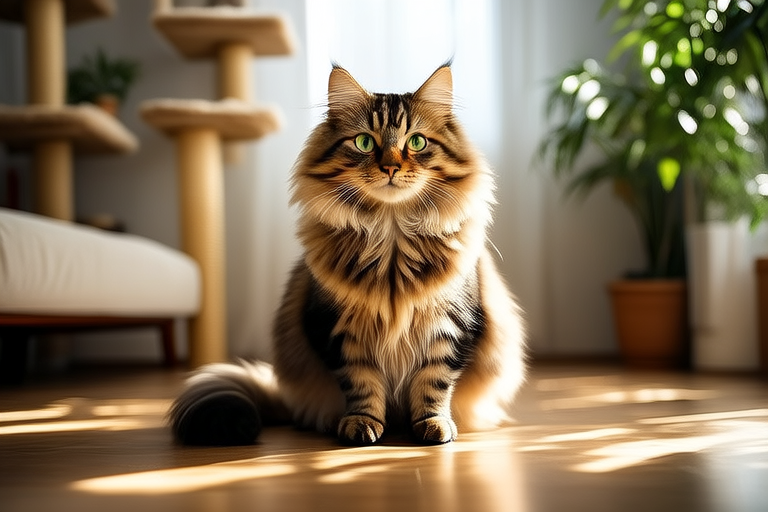
Maine Coons are one of the largest domesticated cat breeds. They have a robust body, muscular build, and a water-resistant, semi-longhair coat that varies in length, being longer along the stomach and flanks. Their distinctive tufted ears and large, bushy tails add to their charm. Their eyes, typically green or gold, are expressive and complement their regal appearance.
Temperament
Despite their intimidating size, Maine Coons are known for their gentle, sociable personalities. They are affectionate towards humans and other pets, making them excellent family companions. They enjoy playing fetch and can be quite vocal, often communicating with soft chirps and trills. Their intelligence makes them easy to train, and they can even learn tricks like retrieving toys.
Health Considerations
While generally healthy, Maine Coons are prone to certain genetic conditions, such as hip dysplasia and cardiomyopathy. Regular veterinary check-ups are crucial, especially for early detection and management of these issues. Maintaining a healthy weight and diet is also essential for preventing obesity-related health problems.
Dietary Needs
Maine Coons require a balanced diet rich in protein and fats to support their active lifestyle and robust physique. High-quality commercial cat food, tailored to their life stage, is recommended. Fresh water should always be available. Consult your veterinarian for specific dietary recommendations based on your Maine Coon’s age, weight, and overall health.
Grooming Tips
Regular grooming is necessary to keep their luxurious coats in top condition. Brush them at least once a week to prevent matting and remove loose hair. During shedding seasons, increase brushing frequency to twice a week. Bathing is rarely needed, but if required, use a cat-safe shampoo and ensure thorough rinsing to avoid skin irritation.
Exercise Requirements
Maine Coons are energetic and need ample opportunities to play and explore. Interactive toys, climbing structures, and window perches provide mental and physical stimulation. Daily play sessions help maintain their fitness and prevent boredom. Encouraging them to chase laser pointers or play with feather wands can also satisfy their hunting instincts.
Training Methods
Positive reinforcement is key when training a Maine Coon. Use treats, praise, and petting to reward desired behaviors. Consistency is important; establish routines and rules early on. For example, teaching them to use a scratching post instead of furniture can save your upholstery. Clicker training is another effective method for shaping behaviors.
Suitable Environments
Maine Coons thrive in environments where they can express their natural behaviors. A spacious home with multiple levels allows them to climb and explore. Access to outdoor spaces, securely enclosed, provides enrichment. However, indoor living is preferable to protect them from external threats like cars and wildlife.
Integrating a Maine Coon into Your Family
Welcoming a Maine Coon into your home requires careful introduction, especially if you already have other pets or children. Gradual introductions minimize stress and promote positive interactions. Provide each pet with its own space, including separate feeding areas, litter boxes, and sleeping spots. Supervise initial interactions closely and ensure all family members respect the new cat’s boundaries.
Conclusion
Owning a Maine Coon is a rewarding experience filled with joy and companionship. By understanding their unique needs and providing appropriate care, you can ensure a happy, healthy life for your gentle giant. Embrace their playful spirit, appreciate their loyalty, and cherish the moments shared with this magnificent breed.
