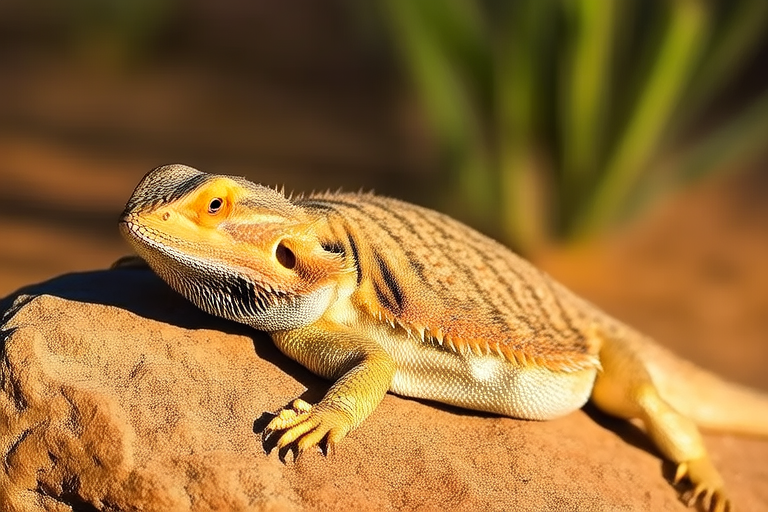
How to Make Your Bearded Dragon Happy: Insider Tips!
Welcome to the wonderful world of bearded dragon ownership! These fascinating reptiles are known for their quirky personalities and captivating behaviors. As a responsible owner, you have the power to ensure your bearded dragon leads a fulfilling life. In this comprehensive guide, we’ll explore the essential aspects of bearded dragon care, from proper diet to suitable habitat setup and beyond. Let’s dive into some insider tips that will help you keep your scaly friend happy and healthy.
Proper Diet: Fueling Your Bearded Dragon’s Energy
The cornerstone of any bearded dragon’s health is its diet. A well-balanced meal plan can significantly impact your pet’s longevity and vitality. Bearded dragons are omnivorous, which means they require a mix of plant matter and animal protein. Here’s how to strike the right balance:
- Vegetables and Fruits: Offer a variety of leafy greens like kale, collard greens, and mustard greens. Avoid iceberg lettuce, as it lacks nutritional value. Occasional fruits such as berries, mangoes, and papayas are fine but should be given sparingly due to their high sugar content.
- Insects: Crickets, dubia roaches, and mealworms are excellent sources of protein. Gut-load these insects with nutritious food before feeding them to your dragon to maximize their nutritional benefits.
- Dietary Supplements: Dust your dragon’s food with calcium powder and multivitamin supplements to prevent deficiencies.
Avoid common pitfalls like overfeeding insects or feeding too many high-fat treats. Overindulgence can lead to obesity and related health issues. Personal anecdote: I once fed my bearded dragon too many mealworms, and he became lethargic. It was a wake-up call to monitor portion sizes carefully.
Suitable Habitat Setup: Creating a Comfortable Home
Your bearded dragon’s enclosure is more than just a living space; it’s a sanctuary that promotes their physical and emotional well-being. Here are some pointers for setting up the perfect habitat:
- Size Matters: A spacious tank allows for natural movement. A minimum of 40 gallons for one adult bearded dragon is recommended, while larger enclosures are ideal for multiple dragons.
- Substrate: Opt for safe substrates like paper towels, reptile carpet, or tile. Avoid loose substrates like sand or wood shavings, as they pose choking hazards and can cause impaction.
- Hiding Spots: Provide secure hiding spots using caves or tunnels to give your dragon a sense of security.
Expert insight: Dr. Sarah Johnson, a herpetologist, advises against overcrowding the enclosure with decorations, as it can stress out the reptile. Keep the environment simple yet functional.
Ideal Temperature and Lighting Conditions: Mimicking Natural Environments
Maintaining optimal temperature and lighting conditions is crucial for your bearded dragon’s overall health. Here’s what you need to know:
- Temperature Gradient: Create a temperature gradient by placing a heat lamp at one end of the tank and allowing the other end to remain cooler. The warm side should reach between 95°F and 110°F (35°C – 43°C), while the cool side should be around 75°F to 85°F (24°C – 29°C).
- UVB Lighting: UVB light is vital for calcium absorption and preventing metabolic bone disease. Replace the bulbs every six months, even if they still appear to be working.
Common mistake: Many beginners overlook the importance of UVB lighting, leading to serious health issues. Always consult with a reptile veterinarian to ensure your lighting setup is adequate.
Hydration Methods: Keeping Your Bearded Dragon Well-Hydrated
Bearded dragons obtain most of their water needs through their food, but providing fresh water daily is essential. Here’s how to keep them hydrated:
- Water Bowls: Place shallow bowls filled with clean, fresh water inside the enclosure. Change the water daily to prevent bacterial growth.
- Misting: Mist the enclosure lightly a few times a week to increase humidity and encourage natural drinking behavior.
- Bathing: Offer a shallow, lukewarm bath once or twice a week. This helps maintain hydration and aids in shedding.
Personal anecdote: My bearded dragon, Charlie, used to lap up water during his baths. It was heartwarming to see him enjoy the experience so much.
Social Interaction: Building a Bond with Your Bearded Dragon
Bearded dragons can form strong bonds with their owners when handled gently and consistently. Here’s how to build trust and create positive interactions:
- Handling: Start handling sessions early and gradually increase the duration. Use slow, deliberate movements and always support the dragon’s body.
- Patience: Some bearded dragons may take longer to become comfortable with handling. Be patient and respect their boundaries.
- Positive Reinforcement: Reward calm and gentle behavior with treats and praise.
Expert insight: Dr. Johnson recommends spending at least 15 minutes daily interacting with your bearded dragon to strengthen the bond.
Enrichment Activities: Stimulating Your Bearded Dragon’s Mind
To keep your bearded dragon mentally stimulated, incorporate enriching activities into their routine:
- Foraging: Hide treats within the enclosure to encourage natural foraging behavior.
- Environmental Changes: Rotate toys and rearrange the habitat occasionally to provide new experiences.
- Interactive Play: Engage in supervised playtime outside the enclosure, ensuring safety at all times.
Personal anecdote: Introducing a new toy to my bearded dragon resulted in hours of entertainment as she explored and investigated every inch of it.
Regular Health Checks: Ensuring Long-Term Happiness
Regular health checks are essential for maintaining your bearded dragon’s well-being. Signs of a happy, healthy bearded dragon include:
- Active Behavior: They should be alert and curious, exploring their environment.
- Healthy Appetite: A consistent interest in food is a good sign.
- Vibrant Coloration: Their skin should appear bright and colorful.
Common mistake: Delaying veterinary visits until symptoms become severe. Schedule annual check-ups with a reptile-savvy veterinarian to catch potential issues early.
Actionable Tips for Happy Bearded Dragons
Here are some final tips to ensure your bearded dragon remains happy and healthy:
- Monitor weight regularly to detect any changes.
- Keep the enclosure clean to prevent illness.
- Observe your dragon’s behavior daily for any unusual signs.
- Provide mental and physical stimulation through varied activities.
In conclusion, making your bearded dragon happy involves understanding their dietary needs, creating a suitable habitat, maintaining ideal temperature and lighting conditions, ensuring proper hydration, fostering social interaction, and providing enrichment activities. By following these insider tips, you’ll be well on your way to becoming a responsible and loving bearded dragon owner. Remember, a happy bearded dragon is a healthy bearded dragon, and their contentment will bring you endless joy and companionship.
