The Ultimate Guide for New Siberian Husky Owners
Welcome to the world of Siberian husky ownership! These beautiful, intelligent dogs are full of energy and charm, but they also require dedicated care and attention. This guide will provide you with all the information you need to ensure your Siberian husky leads a happy, healthy life.
Siberian Husky Breed Characteristics
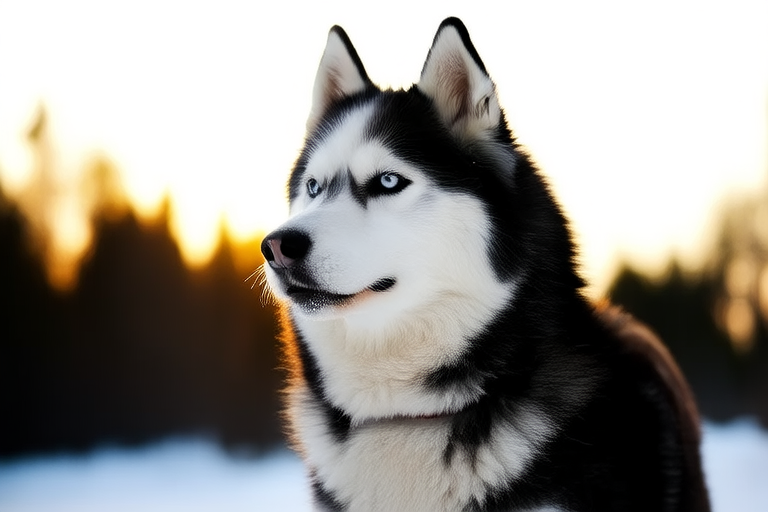
Siberian huskies are medium-sized dogs known for their striking blue or multi-colored eyes and thick, double-layered coats. Originally bred by the Chukchi people of Northeastern Asia, these dogs were used for sledding and hunting. They are highly energetic, independent, and have a strong prey drive. Huskies are also known for their vocal nature, often howling rather than barking. Their friendly and gentle demeanor makes them great family pets, but it’s important to remember that they are pack animals and thrive in social environments.
Nutrition and Feeding Schedules
Feeding your Siberian husky a balanced diet is crucial for their overall health. High-quality dog food containing a good balance of protein, fat, carbohydrates, vitamins, and minerals is recommended. Avoid overfeeding, as obesity can lead to joint problems and other health issues. Divide their daily food intake into two meals: one in the morning and another in the evening. Keep fresh water available at all times, especially during warmer months.
Real-life example: Sarah noticed her husky, Max, was gaining weight despite eating the same amount of food. She consulted her vet who recommended reducing the portion size slightly and increasing the frequency of exercise. Max lost weight and felt more energetic.
Exercise Needs
Huskies are an active breed requiring regular physical activity. Daily walks, runs, or play sessions in a secure area are essential. Consider enrolling your husky in activities like agility courses or sled pulling to keep them mentally stimulated and physically fit. Remember that they are escape artists and can dig under fences if not properly contained.
Tip: Introduce your husky to different terrains early on to prevent injuries. For instance, start with soft grass and gradually introduce harder surfaces.
Grooming Tips
Siberian huskies have a thick coat that sheds heavily twice a year. Regular brushing, particularly during shedding season, helps remove loose fur and prevents matting. Bathing is usually necessary only when your husky gets dirty. Trim their nails regularly and clean their ears to prevent infections.
Real-life example: John found his living room carpet covered in fur after his husky, Bella, had a bad day of shedding. He started brushing her more frequently and noticed a significant reduction in shedding.
Training Methods
Huskies can be challenging to train due to their independent nature. Positive reinforcement, including treats and praise, works best. Consistency is key; establish clear rules and boundaries from the beginning. Socialization is also vital; expose your husky to various people, animals, and environments from a young age to promote good behavior.
Tip: Use short, simple commands and reward good behavior immediately. For example, saying “sit” followed by a treat when your husky sits on command.
Common Health Issues
Like all breeds, Siberian huskies are prone to certain health issues. Hip dysplasia, cataracts, and progressive retinal atrophy are among the most common. Regular check-ups with your veterinarian can help catch potential problems early. Genetic testing may be recommended for breeding purposes.
Real-life example: Emily’s husky, Rocky, developed hip dysplasia at five years old. After consulting her vet, she implemented a strict exercise routine and provided him with joint supplements. Rocky was able to remain active and comfortable.
Socialization Techniques
Socializing your husky from an early age is essential for their development. Expose them to various people, animals, and environments to help them become well-rounded and confident. Puppy classes are an excellent way to socialize your husky while teaching basic commands.
Tip: Introduce your husky to new experiences gradually and positively. For example, take them to a park where they can meet other dogs under supervision.
Choosing Appropriate Toys and Accessories
Choose durable toys that can withstand rough play. Puzzle toys and interactive games are great for mental stimulation. Accessorize your husky with a harness instead of a traditional collar, as they are less likely to slip out. A reflective leash is useful for nighttime walks.
Tip: Rotate toys periodically to maintain interest. For instance, switch between a squeaky toy and a chew toy every few days.
Creating a Safe Home Environment
Ensure your home is secure against escapes by installing high fences or enclosures. Huskies are known for their ability to jump or dig under barriers. Supervise your husky around children and other pets, especially small animals, due to their strong prey drive.
Real-life example: Lisa’s fence wasn’t tall enough, and her husky, Shadow, managed to escape. She added an extra layer of fencing and now Shadow stays safely in the yard.
Responsibilities and Rewards of Owning a Siberian Husky
Owning a Siberian husky comes with both responsibilities and rewards. The responsibilities include providing proper nutrition, exercise, grooming, and medical care. However, the rewards are immeasurable. Their loyalty, companionship, and unique personalities make them wonderful companions.
Tip: Join local husky clubs or online communities for support and advice from experienced owners.
Conclusion
Owning a Siberian husky is a rewarding experience filled with love, laughter, and adventure. By following this guide, you’ll be well-prepared to give your new furry friend the care and attention they deserve. Remember, patience, consistency, and love are the keys to a successful relationship with your Siberian husky.
