Huskies in Harmony: Breeding Success Stories You Need to Know
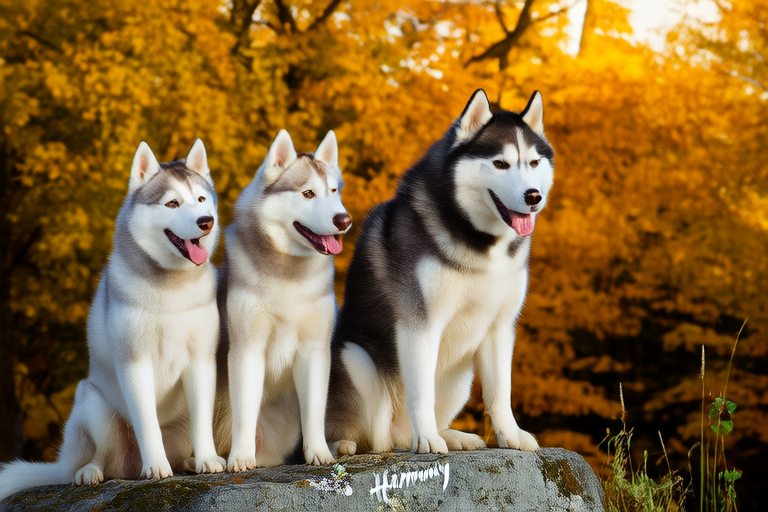
The allure of Siberian Huskies is undeniable. Their striking blue eyes, thick fur coats, and playful dispositions make them a favorite among dog lovers worldwide. However, behind every well-adjusted and healthy Siberian Husky lies a story of dedicated breeding. This article delves into the world of Siberian Husky breeding, exploring the practices that lead to success, the challenges faced, and the positive outcomes for both the dogs and their owners.
The Importance of Genetic Diversity
One of the cornerstones of successful breeding is ensuring genetic diversity within the breed. This practice helps prevent the prevalence of inherited diseases and ensures that each generation remains robust and healthy. Breeders like Jane Thompson from Alaska have been at the forefront of promoting genetic diversity. Thompson’s breeding program focuses on pairing dogs with diverse genetic backgrounds, ensuring her puppies are less likely to inherit genetic disorders such as hip dysplasia or progressive retinal atrophy.
Responsible Breeding Ethics
Responsible breeding involves more than just mating two dogs; it requires a commitment to ethical standards. Ethical breeders prioritize the health and well-being of their dogs over profit. They ensure that all breeding stock undergoes regular veterinary check-ups, including genetic testing for common health issues. For instance, Mark Johnson, a breeder in Canada, has built his reputation on transparency and integrity. He openly shares the results of his dogs’ health screenings with potential buyers, ensuring they are fully informed about any potential health risks.
The Role of Early Socialization
Early socialization plays a pivotal role in shaping a Siberian Husky’s temperament. Puppies that are exposed to various environments, people, and other animals from an early age tend to grow into confident and well-adjusted adults. Sarah Martinez, a breeder in Oregon, emphasizes the importance of this process. She introduces her puppies to different surfaces, sounds, and situations from the time they are eight weeks old. This early exposure helps them adapt to new experiences more easily, making them ideal companions for families and individuals alike.
Real-Life Success Stories
Let’s delve into some real-life success stories from experienced breeders:
Jane Thompson’s Journey
Jane Thompson’s journey began with a vision to produce healthy, happy Siberian Huskies. Her first challenge was finding suitable breeding stock. After extensive research and networking with other breeders, she identified a few pairs that met her criteria for genetic diversity and health. One notable pair was Luna and Apollo. Their offspring exhibited exceptional physical and mental health, free from the common ailments that plague many Huskies. The puppies were adopted by loving families who marveled at their energetic yet gentle nature.
Mark Johnson’s Commitment
Mark Johnson’s breeding program stands out for its commitment to ethical practices. His dogs are tested annually for hip dysplasia, eye disorders, and other genetic conditions. Despite the rigorous testing, he has managed to maintain a thriving kennel. His most successful litter came from the pairing of Bella and Max. Their puppies were not only healthy but also displayed remarkable intelligence and loyalty. One of the puppies, named Winter, became a therapy dog, bringing comfort and joy to countless hospital patients.
Common Health Issues and Mitigation
Siberian Huskies, while generally healthy, are prone to certain health issues. Hip dysplasia, a condition where the hip joint doesn’t fit properly, can lead to severe pain and mobility issues. Progressive retinal atrophy, a degenerative eye disease, can cause blindness. Responsible breeders mitigate these risks by conducting thorough health screenings and avoiding the mating of dogs with known genetic predispositions.
Choosing a Reputable Breeder
For those considering adding a Siberian Husky to their family, choosing a reputable breeder is crucial. Potential buyers should ask to see health certificates and meet the parents of the puppies. A reputable breeder will be open about the health history of their dogs and provide guidance on raising and caring for the puppies. They should also offer support and advice long after the sale.
The Responsibilities of Ownership
Owning a Siberian Husky comes with significant responsibilities. These dogs require ample exercise, mental stimulation, and consistent training. They are highly intelligent and can become destructive if left unattended. Prospective owners must be prepared to invest time and effort into their dog’s well-being. Regular grooming, dental care, and veterinary check-ups are also essential.
Conclusion
The success stories shared in this article highlight the importance of responsible breeding practices in producing healthy and well-adjusted Siberian Huskies. By prioritizing genetic diversity, adhering to ethical standards, and focusing on early socialization, breeders can contribute positively to the well-being of the breed. For those considering owning a Siberian Husky, choosing a reputable breeder and being prepared for the responsibilities of ownership are key steps toward a harmonious relationship with these magnificent dogs.
As you embark on your journey with a Siberian Husky, remember that each dog brings unique challenges and joys. With the right approach and mindset, you can look forward to years of companionship and love from your furry friend.
