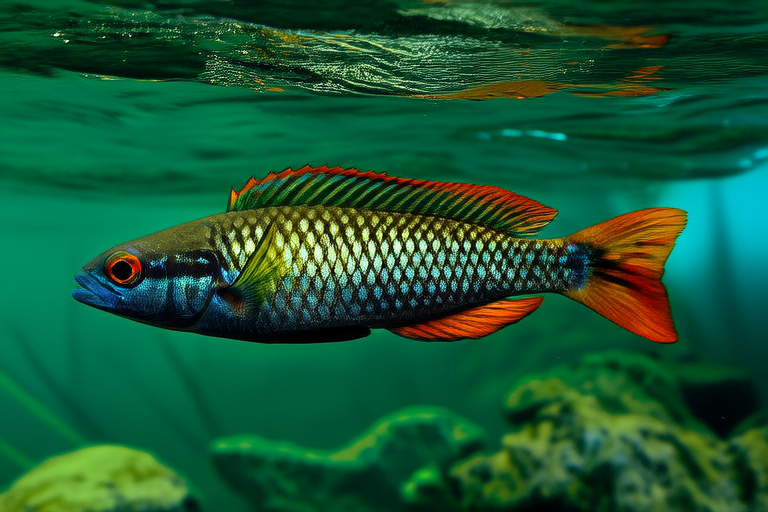
Rajah Cichlid: The Bold and Beautiful Addition to Your Underwater Habitat
The world of freshwater aquariums is vast and varied, offering countless options for enthusiasts looking to add a splash of color and life to their underwater habitats. Among the myriad of choices, one fish stands out for its unique appearance and vibrant colors: the Rajah Cichlid (Apistogramma cacatuoides). This small but mighty cichlid species is a favorite among aquarists for its striking looks and fascinating behaviors. In this article, we will explore why the Rajah Cichlid makes such a bold and beautiful addition to any aquarium.
Introducing the Rajah Cichlid
The Rajah Cichlid, scientifically known as Apistogramma cacatuoides, is native to the Amazon River Basin in South America. It is a small, elongated fish, typically reaching lengths between 2.5 to 3 inches. Males are more colorful and larger than females, displaying vivid hues of red, blue, yellow, and green that shimmer across their bodies. Their fins are particularly striking, often adorned with intricate patterns and elongated rays that give them an almost ethereal appearance. Females, while less flamboyant, still exhibit subtle beauty with their soft pastel tones and intricate markings.
Natural Habitat and Aquarium Setup
To truly appreciate the Rajah Cichlid’s natural beauty, it is essential to understand the conditions they thrive in. In their native environment, these cichlids inhabit slow-moving waters with dense vegetation and plenty of hiding spots. The water is typically soft and acidic, with temperatures ranging from 78°F to 82°F. To replicate these conditions in an aquarium, it is crucial to choose the right tank size, maintain appropriate water parameters, and provide adequate hiding spots and plants.
For a group of Rajah Cichlids, a minimum tank size of 20 gallons is recommended. However, for a more comfortable and stress-free environment, a 30-gallon tank is ideal. The tank should be well-planted with a variety of live or artificial plants, providing both cover and breeding sites. Driftwood and caves made from rocks or specialized aquarium decorations can also serve as excellent hiding spots and spawning sites. Additionally, a fine-grained substrate like sand or small gravel is preferable to avoid damaging the delicate barbels of the cichlids.
Maintaining the correct water parameters is equally important. Aim for a pH level between 5.5 and 6.5, and keep the hardness below 5 dGH. Regular water changes are necessary to keep ammonia and nitrite levels at zero and ensure nitrate levels remain under 20 ppm. A gentle filtration system is sufficient, as strong currents can cause stress and disrupt breeding activities.
Tank Mates and Behavior
Rajah Cichlids are territorial and can become aggressive, especially during breeding periods. Therefore, choosing compatible tank mates is crucial to maintaining a peaceful aquarium. Peaceful, non-aggressive species such as Corydoras catfish, Otocinclus catfish, and small tetras are suitable companions. Avoid keeping Rajah Cichlids with larger, more aggressive fish, as they may bully or eat smaller species.
The behavior of Rajah Cichlids is fascinating and can vary depending on the individual fish and environmental factors. Generally, males are more active and territorial, often displaying their colors and finnage to establish dominance. Females, on the other hand, tend to be more reserved and may seek refuge in hiding spots when threatened. During breeding, males become even more territorial, defending their territory against other males and potential threats.
Care Requirements
Rajah Cichlids require specific care to ensure their health and longevity. Providing a balanced diet is essential, consisting of high-quality flake foods, pellets, and occasional treats like brine shrimp, bloodworms, or daphnia. Live plants and algae wafers can also be beneficial, as they mimic the natural diet of these cichlids. Feeding should be done twice daily, ensuring that all food is consumed within a few minutes to prevent water quality issues.
Regular monitoring of water parameters and tank cleanliness is necessary to maintain optimal conditions. Perform weekly water changes of around 20% to remove waste products and maintain stable water chemistry. Observing the fish’s behavior and physical condition can help identify any potential health issues early on. Signs of illness include lethargy, loss of appetite, abnormal swimming patterns, or visible sores or discoloration. Prompt action, including quarantining affected fish and consulting with a veterinarian specializing in aquatic animals, can prevent the spread of disease.
Conclusion
The Rajah Cichlid is undoubtedly a bold and beautiful addition to any underwater habitat. With their vibrant colors and intriguing behaviors, these cichlids offer endless fascination for aquarium enthusiasts. By understanding their natural habitat and specific care requirements, you can create a thriving environment that showcases their unique charm. Whether you’re a seasoned aquarist or just starting your journey into the world of freshwater fish, the Rajah Cichlid is sure to captivate and inspire admiration for the incredible diversity of aquatic life.
