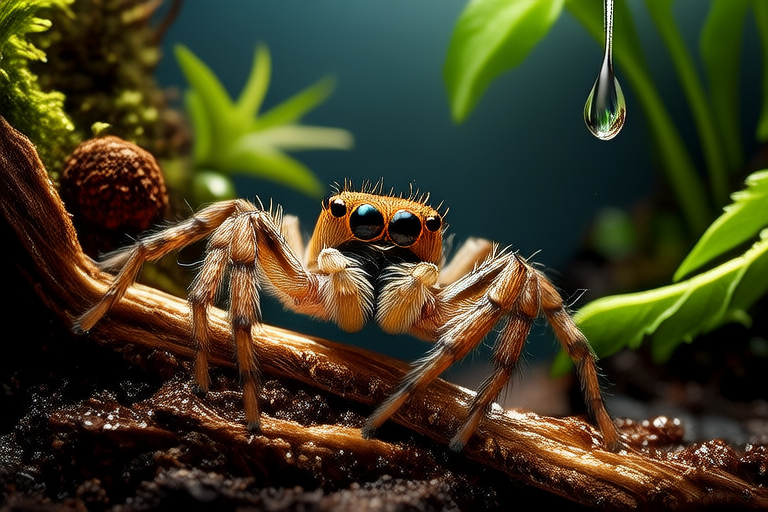
Setting Up Ideal Terrariums for Tarantulas: A Comprehensive Guide
Tarantulas are fascinating creatures that can make wonderful pets for those interested in arachnids. However, successfully keeping tarantulas requires careful consideration of their specific needs. This guide will walk you through setting up an ideal terrarium for your tarantula, covering everything from enclosure selection to substrate choices, temperature and humidity control, and providing enriching environments.
Selecting Appropriate Enclosures
The first step in creating a suitable habitat for your tarantula is choosing the right enclosure. The size of the terrarium should be proportional to the size of the tarantula, ensuring it has enough room to move around comfortably. For smaller tarantulas like Aphonopelma species, a 5-gallon tank (approximately 10 inches by 6 inches) is adequate. Larger tarantulas, such as Burkella or Pamphobeteus, require much larger tanks—upwards of 20 gallons for adult specimens.
When selecting an enclosure, consider its material. Glass tanks offer excellent visibility but can be heavy and difficult to clean. Plastic containers, on the other hand, are lightweight and easy to maintain but may lack ventilation. Screen tops are crucial regardless of the base material, allowing for proper airflow and preventing escapes.
Substrate Choices
The substrate serves multiple purposes in the terrarium: it provides bedding, aids in maintaining humidity levels, and supports natural behaviors like burrowing. Suitable substrates include coconut fiber, peat moss, and sphagnum moss. These materials retain moisture well and mimic natural habitats.
For burrowing species, add a layer of soil or sand beneath the primary substrate. This additional layer allows deeper digging, which is important for some tarantulas’ psychological well-being. Avoid using cedar or pine shavings as they can be harmful due to their aromatic oils.
Temperature and Humidity Control
Temperature and humidity are critical factors in maintaining a healthy environment for tarantulas. Most species thrive between 75°F and 85°F during the day, with nighttime temperatures slightly cooler. Use a digital thermometer to monitor these conditions accurately.
Humidity levels vary depending on the species. Desert-dwelling tarantulas prefer drier conditions (30%-40% humidity), whereas tropical species need higher humidity (70%-80%). Misting systems or water dishes can help achieve desired humidity levels without over-saturating the substrate.
Hiding Spots and Decor Elements
Providing ample hiding spots is essential for creating a secure environment. Tarantulas are shy creatures and need places where they feel safe from potential predators or disturbances. Rocks, cork bark, or half logs work well as hiding spots. Ensure any decorations are securely placed to prevent accidents.
In addition to hiding spots, consider adding climbing structures like branches or artificial plants. These enrich the enclosure and encourage natural behaviors. Be cautious when introducing live plants, though, as some may attract pests or become toxic if ingested by the tarantula.
Specific Needs of Different Species
Different tarantula species have varying space, climate, and enrichment requirements. For instance, arboreal species like Avicularia need taller enclosures with more vertical space than terrestrial species. Spiderlings also require specialized care, including smaller enclosures and softer substrates.
Research your particular tarantula’s needs before setting up its home. Consulting books, reputable websites, or experienced keepers can provide valuable insights into specific husbandry practices.
Care Tips
- Feeding: Offer prey items every one to two weeks. Live insects such as crickets, mealworms, or dubia roaches are suitable. Gut-load these insects with nutritious food prior to feeding them to your tarantula.
- Handling: Minimize handling unless necessary. Tarantulas can be delicate, especially after molting. Always handle them gently and support their entire body.
- Molting: During molting, provide a humid hide box filled with moistened substrate. Keep the terrarium stable and undisturbed until the process is complete.
Common Mistakes to Avoid
- Overfeeding or underfeeding your tarantula.
- Using inappropriate substrates that could harm your pet.
- Ignoring temperature and humidity requirements.
- Not providing enough hiding spots or enrichment.
- Introducing live plants that might attract pests or become toxic.
Signs of a Healthy Environment
A healthy tarantula will display active behavior, eat regularly, and molt successfully. Look out for signs of stress or illness, such as lethargy, refusal to eat, or unusual webbing patterns. Regularly inspect the enclosure for cleanliness and address any issues promptly.
Conclusion
Creating an ideal terrarium for your tarantula involves thoughtful planning and attention to detail. By understanding the unique needs of your pet and following best practices in enclosure setup, substrate choice, temperature regulation, and enrichment, you can ensure a thriving environment. With patience and dedication, caring for tarantulas can be both rewarding and educational.
