From Jungle Floors to Pet Domains: Discovering Life with a Heterometrus Spinifer
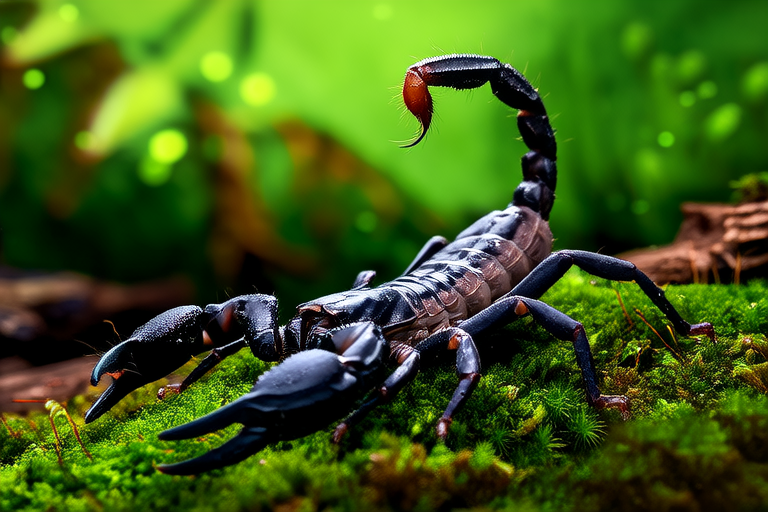
The Heterometrus spinifer, commonly known as the Asian forest scorpion, is a fascinating arachnid native to Southeast Asia. This species, with its distinctive spines along the tail, has captivated the interest of many exotic pet enthusiasts. In this article, we will explore the unique characteristics and natural habitat of the Heterometrus spinifer, the journey from its jungle origins to becoming a popular pet, and provide valuable tips for those considering this exotic creature as part of their household.
Natural Habitat and Unique Characteristics
The Heterometrus spinifer thrives in the humid and densely vegetated jungles of countries such as Thailand, Malaysia, and Indonesia. These scorpions prefer dark, moist environments, often found under rocks or within hollow logs. The spines on their tail are a key feature, not only for defense but also for sensory purposes. These spines help the scorpion detect vibrations and navigate its surroundings efficiently.
One of the most striking features of the Heterometrus spinifer is its size. Adult specimens can reach lengths of up to 8 inches, making them one of the largest scorpion species in the world. Their robust bodies and impressive size make them both intimidating and awe-inspiring to observe. Additionally, they possess potent venom, which is primarily used for subduing prey rather than defense against larger predators.
The Journey to Becoming a Pet
The transition of the Heterometrus spinifer from the wild to a domesticated pet is a fascinating process. Wild-caught specimens are sometimes imported legally for the pet trade, though captive-bred individuals are increasingly available. The adaptation process for both the scorpion and its new human companions is crucial for ensuring a healthy and happy relationship.
For the scorpion, adapting to a new environment involves acclimatizing to changes in temperature, humidity, and diet. Owners must create a habitat that mimics the conditions of the scorpion’s natural habitat as closely as possible. This includes providing ample hiding spots, maintaining appropriate humidity levels, and offering a varied diet consisting of insects like crickets and mealworms.
For the owner, learning about the specific needs and behaviors of the Heterometrus spinifer is essential. Understanding how to handle the scorpion safely, recognizing signs of stress or illness, and creating a suitable enclosure are all part of the adaptation process. Patience and dedication are key, as these scorpions require a specialized care routine that differs significantly from more common pets.
Tips for Potential Owners
For those interested in owning a Heterometrus spinifer, there are several important considerations to keep in mind. First and foremost, it is crucial to ensure that you have the necessary knowledge and resources to provide adequate care. Here are some tips to help you get started:
- Housing: Provide a spacious terrarium with a secure lid to prevent escapes. The enclosure should be large enough to allow the scorpion to move freely and include plenty of hiding places made from cork bark, rocks, or other natural materials.
- Humidity: Maintain a relative humidity level of around 70-80% to mimic the scorpion’s natural environment. Use a hygrometer to monitor humidity levels accurately.
- Diet: Feed your scorpion a variety of live insects, such as crickets and mealworms, dusted with calcium powder. Ensure that the prey items are appropriately sized for the scorpion’s age and size.
- Handling: Handle the scorpion as little as possible, and always use gloves to protect yourself from its venom. When handling is necessary, gently scoop the scorpion from underneath, avoiding direct contact with the tail.
Bonding with Your Scorpion
While scorpions may seem solitary and distant creatures, it is possible to develop a bond with your Heterometrus spinifer. Regular observation and interaction can help you understand your pet’s behavior and preferences. Some owners report that their scorpions respond positively to gentle handling and feeding routines, developing a sense of familiarity with their caregivers.
It is important to emphasize responsible ownership when considering a Heterometrus spinifer as a pet. This means providing proper care, housing, and nutrition, as well as being aware of the legal and ethical considerations involved in keeping exotic animals. Responsible ownership ensures that both the owner and the scorpion enjoy a rewarding and healthy relationship.
Ongoing Care and Joy
Caring for a Heterometrus spinifer requires commitment and attention to detail. Regular maintenance of the enclosure, monitoring health and behavior, and providing enrichment activities are all part of the ongoing care required. With proper care, these scorpions can live for many years, bringing joy and fascination to their owners.
The presence of a Heterometrus spinifer in your home can add a unique dimension to your living space. Their striking appearance and intriguing behaviors make them a captivating addition to any collection of exotic pets. Whether you’re an experienced reptile keeper or a first-time exotic pet owner, the Heterometrus spinifer offers a rewarding experience for those willing to take on the challenge of caring for this magnificent creature.
In conclusion, the journey from the jungle floors to pet domains for the Heterometrus spinifer is one of adaptation and mutual respect. By understanding the unique needs of this species and providing appropriate care, you can enjoy a fulfilling relationship with your exotic pet. Embrace the opportunity to learn more about these fascinating creatures and the joy they bring to their environments as cherished companions.
