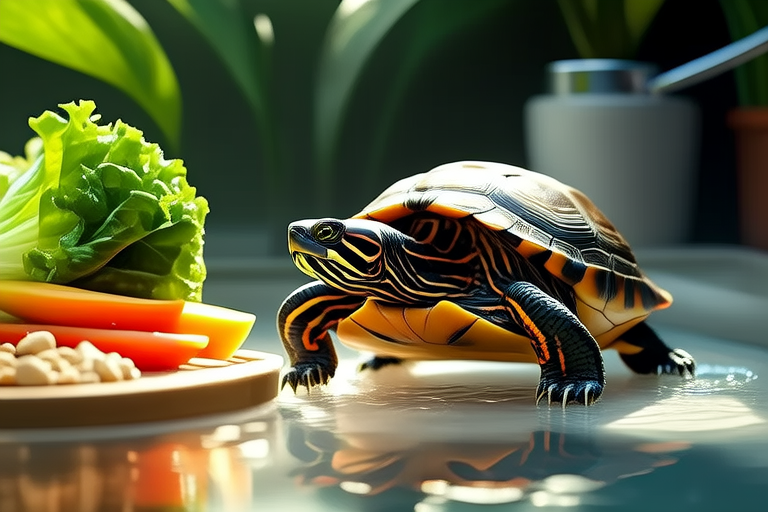
The Complete Red-Eared Slider Diet Breakdown: What, When, and How Much to Feed
Red-eared sliders (Trachemys scripta elegans) are one of the most popular semi-aquatic turtle species kept as pets. Originating from North America, they are known for their distinctive red stripes behind their eyes and their adaptability to various environments. Proper care, including a well-balanced diet, is crucial for their health and longevity. This article provides a comprehensive guide to understanding the dietary needs of red-eared sliders, breaking down what they should eat, when they should eat, and how much to feed them at different life stages.
Understanding Nutritional Requirements
Like all animals, red-eared sliders require a balanced diet to maintain optimal health. Their diet should provide essential nutrients such as proteins, fats, carbohydrates, vitamins, and minerals. Key vitamins include vitamin A, D3, B-complex, and C, while important minerals are calcium, phosphorus, and magnesium. These nutrients support growth, shell health, immune function, and energy production.
Dietary Categories
Commercial Turtle Food
Commercial turtle pellets and sticks are formulated to meet the nutritional needs of aquatic turtles. They come in various sizes and types, catering to different life stages. Pellets are generally preferred over sticks for hatchlings and young juveniles due to their smaller size. Always choose high-quality brands that list whole animal products as primary ingredients and avoid those with fillers like corn or wheat.
Vegetables
A variety of vegetables should be included in the red-eared slider’s diet. Dark leafy greens such as collard greens, mustard greens, and dandelion leaves are excellent choices. Other suitable vegetables include bell peppers, squash, carrots, and zucchini. Vegetables should be finely chopped or shredded to facilitate easier consumption and digestion.
Fruits
Fruits can be offered occasionally as treats. Safe options include berries, melons, and apples. However, fruits should not exceed 10% of the total diet due to their high sugar content.
Protein Sources
Protein is vital for growth and muscle development. Protein sources for red-eared sliders can include feeder fish, earthworms, crickets, and bloodworms. These should be offered sparingly, typically once or twice a week.
Feeding Frequency and Quantity
Hatchlings
Hatchlings, which are under one year old, have higher metabolic rates and thus require more frequent feeding. They should be fed daily, with each meal consisting of about 1/4 teaspoon of commercial turtle food and a small amount of vegetables. As they grow, increase the portion size gradually.
Juveniles
Juveniles, between one and five years old, need to be fed every other day. Offer approximately 1/2 teaspoon of commercial food along with some chopped vegetables and a small portion of protein. Continue monitoring their growth and adjust the quantity as necessary.
Adults
Adult red-eared sliders, over five years old, can be fed every two to three days. The portions should be slightly larger than those for juveniles, but still controlled to prevent obesity. A good guideline is to offer about 1 teaspoon of commercial food per feeding.
Tips for Preparing and Serving Meals
Always wash fresh produce thoroughly before feeding to remove any pesticides or harmful bacteria. Commercial foods should be soaked briefly in water to soften them and make them easier to digest. Serve meals in shallow dishes placed on land to encourage foraging behavior. Remove uneaten food after 15-20 minutes to maintain water quality.
Common Feeding Mistakes to Avoid
- Overfeeding: Excessive food leads to obesity and poor water quality.
- Incorrect Balance: Too much protein or too few vegetables can result in shell deformities or other health issues.
- Inconsistent Schedule: Irregular feeding times can cause stress and disrupt the turtle’s natural rhythms.
Signs of Malnutrition or Overfeeding
Malnutrition may manifest as lethargy, poor appetite, soft shells, or visible deformities. Overfeeding can lead to obesity, respiratory problems, and compromised shell health. Regular veterinary check-ups are recommended to monitor your turtle’s condition.
Maintaining Water Quality
Water quality plays a significant role in the dietary health of red-eared sliders. Poor water conditions can lead to bacterial infections, skin diseases, and reduced appetite. Regular partial water changes and filtration are essential. Additionally, maintaining appropriate water temperature and providing UVB lighting are critical for overall health.
In conclusion, providing a well-balanced diet tailored to the specific needs of red-eared sliders at different life stages is fundamental to their health and happiness. By following this guide, you can ensure that your pet turtle receives the nutrition it requires to thrive in captivity.
