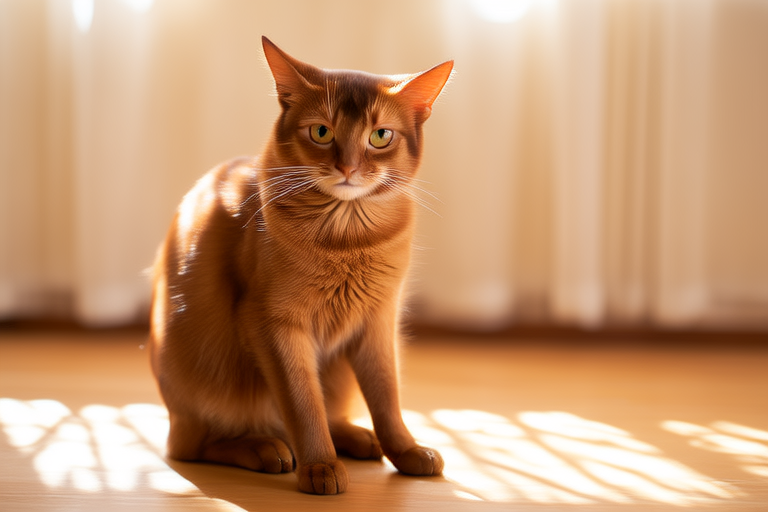
How the Unique Coat of an Abyssinian Cat Can Warm Your Heart
The Abyssinian cat is a breed that has captured the hearts of many cat enthusiasts around the world. Originating from ancient Egypt, this breed is believed to have been brought to England by British soldiers returning from Abyssinia (now Ethiopia) during the 19th century. The Abyssinian cat’s striking appearance and playful demeanor have made it a favorite among cat lovers. With a coat that is as unique as the breed itself, the Abyssinian cat is a true marvel of nature.
A Brief Introduction to the Abyssinian Cat Breed
The Abyssinian cat is known for its sleek and athletic build, large ears, and almond-shaped eyes. These features combine to create a look that is both elegant and regal. However, what truly sets the Abyssinian apart is its coat, which is characterized by a distinct ticked pattern. Each hair on the Abyssinian’s body is banded with multiple colors, creating a beautiful and intricate design that is both visually stunning and functional.
The Distinctive Ticked Coat Pattern
The ticked coat pattern of the Abyssinian cat is one of its most defining characteristics. Each individual hair on the cat’s body is banded with different shades of color, typically ranging from a warm reddish-brown at the root to a lighter sandy color at the tip. This unique pattern is thought to have evolved as a way for the Abyssinian’s ancestors to blend into their environment, making them less visible to predators. Today, this pattern serves to make the Abyssinian cat one of the most visually striking breeds in the world.
The ticked coat pattern not only adds to the aesthetic appeal of the Abyssinian but also contributes to its overall health. The banding of colors on each hair helps to regulate the cat’s body temperature, keeping it cool in hot weather and warm in cooler conditions. This makes the Abyssinian cat well-suited to a variety of climates, from the hot deserts of Africa to the cooler regions of Europe.
Hypoallergenic Qualities and Appeal to Cat Lovers
One of the most appealing aspects of the Abyssinian cat is its hypoallergenic qualities. While no cat can be considered completely allergen-free, the Abyssinian cat produces fewer Fel d 1 proteins than other breeds, which are the primary cause of allergic reactions in humans. This makes the Abyssinian a popular choice for people who suffer from cat allergies but still want to enjoy the companionship of a feline friend.
The hypoallergenic nature of the Abyssinian cat’s coat, combined with its playful and affectionate personality, has made it a favorite among cat lovers. Many owners report that they are able to enjoy the company of their Abyssinian without experiencing the usual allergic symptoms, such as sneezing, watery eyes, or skin irritation. This makes the Abyssinian cat an ideal companion for families with children or individuals with sensitivities to pet dander.
Grooming Needs and Care
Despite their short coats, Abyssinian cats require regular grooming to maintain their unique appearance and ensure their overall health. The ticked coat pattern of the Abyssinian cat is prone to shedding, particularly during seasonal changes. Regular brushing can help to remove loose hairs and prevent matting, while also stimulating the cat’s natural oils and promoting a healthy shine.
In addition to regular brushing, it is important to keep the Abyssinian’s ears clean and free of debris. The large ears of the Abyssinian cat can sometimes accumulate dirt and wax, leading to infections if left unchecked. Using a soft cloth or cotton ball, gently wipe the inside of the ear to remove any buildup. It is also recommended to trim the nails of the Abyssinian cat every few weeks to prevent overgrowth and discomfort.
Proper grooming not only enhances the beauty of the Abyssinian cat’s coat but also strengthens the bond between the owner and the cat. Many owners find that grooming sessions provide an opportunity to spend quality time with their pets, fostering a deeper connection and mutual trust. By taking the time to care for their Abyssinian’s coat, owners can ensure that their cat remains healthy and happy, while also enjoying the companionship of a beautiful and affectionate feline friend.
Anecdotes and Studies on Emotional Bond
The emotional bond between owners and their Abyssinian cats is often strengthened by the cat’s striking coat. Many owners report feeling a deep sense of warmth and comfort when interacting with their Abyssinian, as the cat’s coat provides a tactile connection that is both soothing and reassuring. In fact, several studies have shown that petting a cat can lower blood pressure and reduce stress levels, making the Abyssinian cat an excellent companion for those seeking emotional support.
One such study conducted by the University of Minnesota found that people who owned cats were less likely to experience depression and anxiety than those who did not have pets. The researchers attributed this to the calming effect of petting a cat, which releases endorphins and promotes feelings of relaxation and well-being. For many Abyssinian owners, the act of stroking their cat’s coat becomes a ritual that helps to ease the stresses of daily life.
Another anecdote that illustrates the emotional bond formed between owners and their Abyssinian cats comes from a woman named Sarah, who adopted an Abyssinian cat after losing her husband to cancer. Sarah had always loved cats, but she had never considered adopting one until her grief became overwhelming. After bringing home her new Abyssinian, Sarah found that the cat’s presence provided her with a sense of comfort and companionship that she had not felt since her husband’s passing.
Over time, Sarah developed a routine of spending time with her Abyssinian each evening, petting the cat’s coat and talking to it about her day. She found that the cat’s soft, warm fur helped to soothe her mind and calm her spirit, allowing her to process her emotions and move forward with her life. Sarah credits her Abyssinian cat with helping her through one of the most difficult periods of her life, and she is grateful for the companionship and support that the cat has provided.
In conclusion, the unique coat of the Abyssinian cat is more than just a matter of aesthetics; it is a source of warmth, comfort, and companionship for many cat lovers. Whether through its hypoallergenic qualities, its striking ticked coat pattern, or the emotional bond it fosters between owner and pet, the Abyssinian cat continues to capture the hearts of people around the world. By understanding the grooming needs of the Abyssinian and taking the time to care for its coat, owners can enhance their cat’s appearance and well-being, while also strengthening the bond between them. The Abyssinian cat is truly a remarkable breed, and its coat is a testament to the beauty and complexity of nature.
