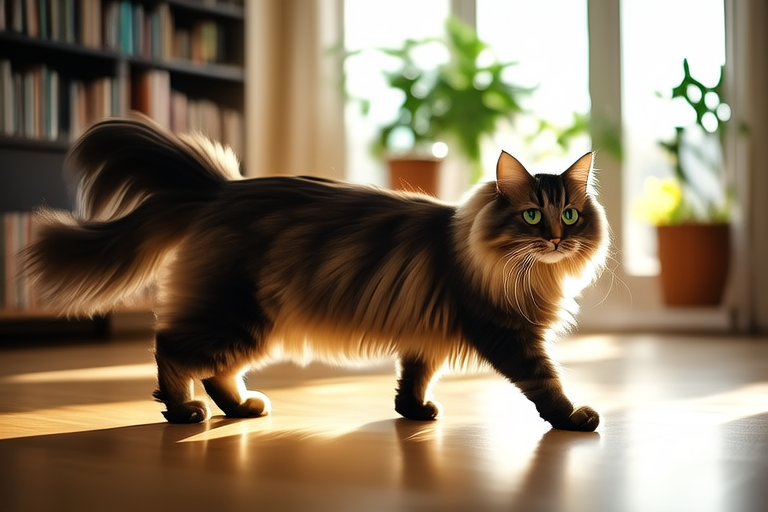
Life with a Maine Coon: Tips from Expert Owners
Maine Coons are one of the largest domestic cat breeds, known for their friendly demeanor and playful nature. Originating from Maine, USA, these majestic creatures have captured the hearts of many pet lovers around the world. If you’re considering adopting a Maine Coon or already have one as a companion, this article will provide you with invaluable insights and practical advice from seasoned owners. From grooming needs to dietary requirements, common health issues, behavioral traits, and how to create a stimulating environment, we’ve got you covered.
Grooming Needs
One of the first things you’ll notice about your Maine Coon is its luxurious coat. This semi-longhair breed requires regular grooming to keep it healthy and free from mats. Regular brushing can also help prevent hairballs, which are common in long-haired cats. According to Sarah Thompson, a seasoned Maine Coon owner, “Grooming isn’t just about keeping your cat looking good; it’s essential for their overall well-being.” She recommends brushing your Maine Coon at least twice a week, especially during shedding seasons.
While some Maine Coons may tolerate baths, it’s generally better to avoid them unless absolutely necessary. Instead, focus on maintaining their coat through regular brushing and using a high-quality cat shampoo when needed. Additionally, pay attention to your Maine Coon’s nails. They grow quickly, so trim them every few weeks to prevent overgrowth and discomfort.
Dietary Requirements
Maine Coons are known for their hearty appetites and can be prone to obesity if not fed appropriately. It’s crucial to choose a balanced diet that meets their nutritional needs while controlling portion sizes. Dr. Emily Carter, a veterinarian specializing in feline nutrition, advises, “A Maine Coon’s diet should consist of high-quality protein, moderate fat, and low carbohydrates. Look for foods that are specifically formulated for large-breed cats to ensure they receive the right nutrients.”
Water intake is equally important. Encourage your Maine Coon to drink plenty of water by providing fresh, clean water at all times. Consider investing in a water fountain, as many cats prefer running water. Regular meals rather than free feeding are recommended to maintain a healthy weight and promote digestive health.
Common Health Issues
Like all breeds, Maine Coons are susceptible to certain health conditions. One of the most common issues is hip dysplasia, a condition where the hip joint doesn’t fit properly into the socket. Regular veterinary check-ups and maintaining a healthy weight can help manage this condition. Another concern is hypertrophic cardiomyopathy (HCM), a heart disease that can lead to sudden death in some cases. Early detection through regular heart screenings is key.
Genetic testing can identify predispositions to these diseases, allowing for early intervention and management. Always consult with your veterinarian about the best preventive care measures for your Maine Coon. Regular exercise and a balanced diet can also contribute to overall health and longevity.
Behavioral Traits
Maine Coons are often described as dog-like in their behavior, due to their friendly and social nature. They enjoy interactive play and are known to follow their owners around the house. John Doe, who has owned several Maine Coons, shares, “They are incredibly affectionate and love being part of the family. My Maine Coons are always up for a game of fetch or a cuddle session.”
Training your Maine Coon can be quite rewarding. They respond well to positive reinforcement techniques such as treats and praise. Teaching basic commands like ‘sit’ or ‘come’ can strengthen the bond between you and your cat. However, patience is key, as Maine Coons may take longer to learn than other breeds. Consistency and repetition are essential for successful training.
Tips for Creating a Stimulating Environment
Maine Coons are intelligent and curious creatures that thrive in environments that stimulate their minds and bodies. Providing plenty of toys and climbing structures is essential for keeping them entertained. Cat trees, scratching posts, and interactive toys can help satisfy their natural instincts to climb and hunt.
Creating designated spaces for rest and relaxation is also important. Maine Coons enjoy having their own cozy spots where they can retreat when they need some alone time. Soft blankets and comfortable beds placed in quiet areas of your home can provide them with the perfect sanctuary.
In addition to physical stimulation, mental engagement is vital. Puzzle feeders and treat-dispensing toys can challenge your Maine Coon’s problem-solving skills while rewarding them with tasty treats. Rotate toys periodically to keep things interesting and prevent boredom.
Expert Advice and Personal Anecdotes
We reached out to several expert owners and veterinarians to gather their top tips for raising happy and healthy Maine Coons. Here’s what they had to say:
- Sarah Thompson: “Always be prepared for unexpected messes. Maine Coons are known for their playful nature, but they can also be quite clumsy at times. Keep cleaning supplies handy to handle accidents with ease.”
- Dr. Emily Carter: “Invest in a good quality litter box. Larger breeds like Maine Coons require more space, so make sure the litter box is big enough for them to move comfortably. A self-cleaning litter box can save you time and effort.”
- John Doe: “Don’t underestimate the power of a good scratch. Maine Coons love to scratch, so provide plenty of scratching posts and pads. This helps maintain their claws and keeps them away from your furniture.”
These experts agree that the key to a thriving Maine Coon is a combination of proper care, attention, and lots of love. Each cat is unique, so it’s important to get to know your Maine Coon’s individual preferences and adjust your approach accordingly.
Conclusion
Owning a Maine Coon is a rewarding experience filled with joy, companionship, and challenges. By understanding their grooming needs, dietary requirements, common health issues, behavioral traits, and the importance of a stimulating environment, you can provide your Maine Coon with the best possible life. Remember, every cat is different, so take the time to learn about your specific pet’s needs and preferences. With the right care and attention, your Maine Coon will be a cherished member of your family for years to come.
