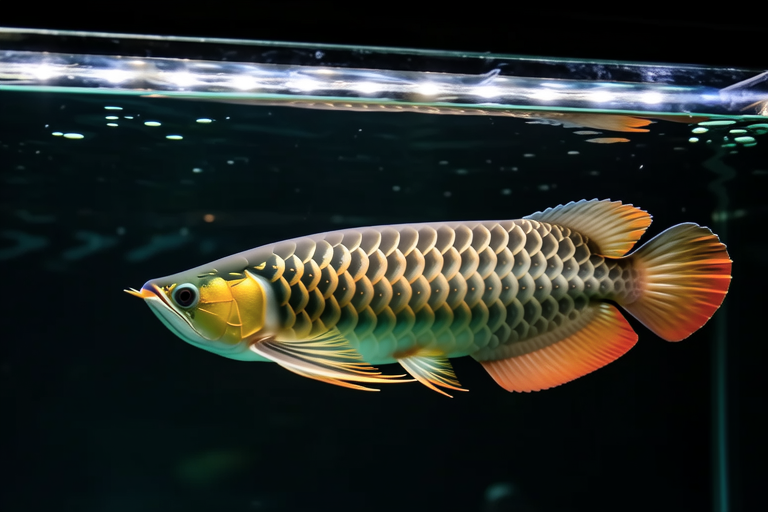
The Ultimate Showstopper: How to Elevate Your Aquarium with an Arowana
Arowanas are truly one of the most majestic fish species that can be found in aquariums today. With their striking appearance, unique behaviors, and impressive size, they are sure to be the center of attention in any aquarium setup. However, keeping an arowana requires careful planning and consideration. In this comprehensive guide, we will walk you through everything you need to know to successfully elevate your aquarium with an arowana.
Selecting the Right Tank Size
One of the first things to consider when adding an arowana to your aquarium is the tank size. Arowanas are large fish that require ample space to swim and thrive. For a single adult arowana, a minimum tank size of 300 gallons (1,136 liters) is recommended. However, if you plan to keep multiple arowanas or other large fish, you will need an even larger tank. The tank should also have a length that is at least twice the length of the fish to allow for proper swimming space.
When selecting a tank, it’s important to choose one that is well-made and durable, as arowanas are powerful swimmers and can be quite active. Additionally, the tank should have a secure lid to prevent the fish from jumping out, as they are known to be excellent jumpers.
Water Parameters Essential for Arowana Health
Creating the right water conditions is crucial for the health and longevity of your arowana. Arowanas prefer soft, slightly acidic water with a pH between 6.0 and 7.0. The water temperature should be maintained between 78°F and 84°F (25°C to 29°C). It’s important to regularly test the water parameters and perform partial water changes to ensure the water quality remains optimal. A good rule of thumb is to change 10-20% of the water every week.
In addition to maintaining proper water parameters, filtration is essential for arowanas. A high-quality external filter that provides both mechanical and biological filtration is recommended. This will help remove debris and maintain healthy water conditions. Additionally, aeration is important to ensure adequate oxygen levels in the water.
Suitable Tank Mates
Choosing the right tank mates for your arowana is important to ensure a peaceful and harmonious aquarium environment. Arowanas are generally peaceful but can become territorial as they mature. Therefore, it’s best to avoid keeping them with smaller fish that may fit into their mouths or with aggressive species that may challenge their dominance.
Some suitable tank mates for arowanas include other large, peaceful fish such as pacus, silver dollars, and large cichlids. It’s important to research each potential tank mate carefully to ensure compatibility. Additionally, it’s always a good idea to introduce new fish to the tank gradually and monitor their interactions closely.
Dietary Needs
Arowanas are carnivorous fish and require a diet rich in protein. In the wild, they feed on insects, small fish, and crustaceans. In captivity, they can be fed a variety of live, frozen, and freeze-dried foods such as feeder fish, earthworms, and bloodworms. It’s important to provide a varied diet to ensure optimal nutrition. Additionally, some aquarists supplement their arowana’s diet with commercial pellets designed for large carnivorous fish.
Feeding frequency should be adjusted based on the age and size of the fish. Younger arowanas may require more frequent feedings, while adult arowanas can be fed every other day. Overfeeding should be avoided as it can lead to poor water quality and health issues.
Tips for Showcasing Their Unique Beauty
Arowanas are known for their sleek, elongated bodies and iridescent scales that shimmer in different colors depending on the lighting. To showcase their unique beauty, it’s important to create an appropriate aquarium setup. A dark substrate and minimal decorations can help highlight the fish’s appearance and make them stand out. Additionally, using a combination of LED and fluorescent lighting can enhance the colors of the fish.
Another way to showcase the unique behaviors of arowanas is by providing them with floating prey. Arowanas are known for their ability to leap out of the water to catch insects and small birds. By offering them live or frozen food on the water’s surface, you can observe this fascinating behavior up close.
Majestic Appearance and Behaviors
Arowanas are truly one of the most majestic fish species in the world. They have a long, streamlined body that allows them to swim gracefully through the water. Their large, pectoral fins are used for maneuvering and braking, while their strong caudal fin propels them forward. Arowanas are also known for their ability to breathe air, which allows them to survive in low-oxygen environments.
In addition to their physical appearance, arowanas exhibit several unique behaviors that make them stand out in any aquarium setup. As mentioned earlier, they are known for their ability to leap out of the water to catch prey. They are also curious and interactive, often approaching the glass of the tank to investigate their surroundings. Some aquarists have even reported their arowanas recognizing them and becoming excited at feeding time.
养护建议
在养护方面,除了前面提到的水参数、饮食和环境设置,还有一些其他需要注意的事项。首先,定期检查水质并进行部分换水是保持鱼缸清洁和健康的关键。其次,确保适当的过滤系统和良好的氧气供应也是至关重要的。
此外,观察鱼的行为也很重要。如果您的鱼看起来无精打采或食欲不振,可能需要检查水质或调整饮食。定期清洁鱼缸和装饰物也有助于保持鱼的健康。
常见问题解答
Q: Arowanas are expensive. Are they worth the investment?
A: While arowanas can be expensive, they are certainly worth the investment for those who are passionate about exotic fish and are willing to provide the proper care. Their majestic appearance and unique behaviors make them a true showstopper in any aquarium setup.
Q: Can I keep multiple arowanas together?
A: Yes, it is possible to keep multiple arowanas together, but it requires a very large tank and careful planning. It’s important to introduce the fish gradually and monitor their interactions closely. Additionally, providing plenty of hiding spots and territories can help reduce aggression.
Q: What should I do if my arowana becomes ill?
A: If your arowana shows signs of illness, it’s important to act quickly. First, check the water parameters and perform a partial water change if necessary. You can also try adjusting the diet or adding medications specifically designed for fish. If the symptoms persist, it’s best to consult with a veterinarian or experienced aquarist for further advice.
Q: Do arowanas require special equipment?
A: Yes, arowanas do require some specialized equipment to thrive in captivity. In addition to a large tank and appropriate filtration system, a secure lid and strong filtration system are essential. Additionally, arowanas benefit from a combination of LED and fluorescent lighting to enhance their colors.
