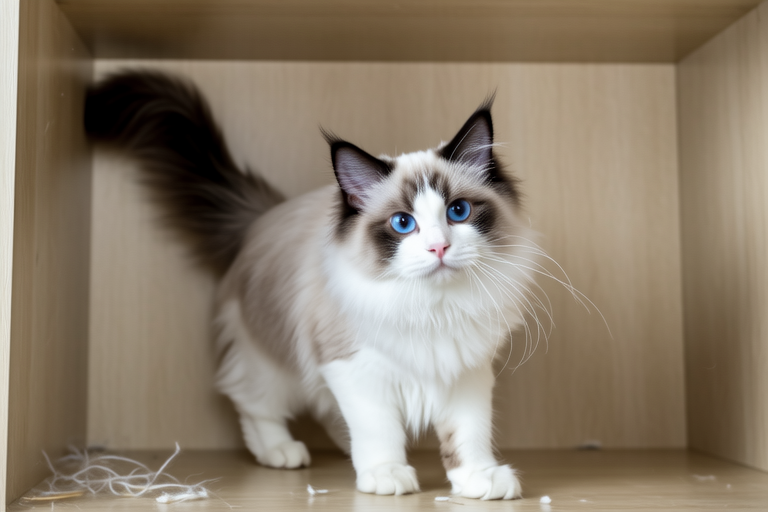
How to Care for Your Maine Coon Like a Pro: Expert Tips and Tricks
Maine Coons are known for their striking appearance, friendly demeanor, and playful nature. They are one of the largest domesticated breeds, often referred to as ‘gentle giants.’ Proper care for your Maine Coon can ensure they live a long, healthy, and happy life. This guide will provide you with expert tips and tricks on grooming, diet, health, exercise, and socialization.
Grooming Requirements
Maine Coons have a thick, water-repellent double coat that requires regular grooming to maintain its health and appearance. Their fur is prone to matting, especially around the neck and chest areas, which can lead to discomfort or skin issues if left unattended.
- Brushing: Use a slicker brush or a wide-toothed comb to gently remove loose hair and prevent matting. Aim to brush your Maine Coon at least once a week, but more frequently during shedding seasons. Be gentle when brushing sensitive areas like the belly and underarms.
- Bathing: While Maine Coons are generally clean cats, they may occasionally need a bath. Use a mild cat shampoo and warm water. Ensure you rinse thoroughly to avoid leaving any residue. Dry your cat completely after the bath to prevent catching a chill.
- Nail Trimming: Trim your cat’s nails every few weeks to prevent overgrowth. Overgrown nails can cause discomfort and make it difficult for your cat to walk properly. Use a pair of cat nail clippers and be cautious not to cut into the quick, which can cause bleeding and pain.
- Eyecare: Check your Maine Coon’s eyes regularly for any signs of discharge, redness, or irritation. Wipe away any debris gently with a damp cloth. If you notice persistent issues, consult a veterinarian.
- Tooth Brushing: Dental hygiene is crucial for your cat’s overall health. Brush your cat’s teeth weekly with a toothbrush and toothpaste designed for cats. Alternatively, offer dental treats or toys that promote good oral health.
Dietary Needs
Maine Coons are known for their hearty appetites and can become overweight if not fed appropriately. A balanced diet is essential for maintaining their health and preventing obesity-related conditions.
- Protein: Cats are obligate carnivores, meaning they require a diet rich in animal-based proteins. Look for high-quality protein sources such as chicken, fish, beef, or lamb in your cat’s food. Avoid foods containing fillers like corn or wheat.
- Fats: Healthy fats are necessary for your Maine Coon’s skin and coat health. Choose foods with added omega-3 and omega-6 fatty acids.
- Carbohydrates: While carbohydrates are not essential for cats, they can be included in small amounts. Opt for whole grains or vegetables instead of refined grains.
- Feeding Schedule: Feed your Maine Coon twice daily, providing measured portions to control their calorie intake. Monitor their weight and adjust feeding amounts accordingly.
- Water Intake: Ensure your cat has access to fresh, clean water at all times. Wet food can also contribute to their hydration.
Health Considerations
Maine Coons are generally healthy cats, but they are prone to certain genetic health issues. Regular veterinary check-ups and early intervention can help manage these conditions effectively.
- Hypertrophic Cardiomyopathy (HCM): This is the most common form of heart disease in cats. It causes the walls of the heart to thicken, leading to poor blood flow. Symptoms include lethargy, difficulty breathing, and loss of appetite. Early detection through echocardiograms can improve management.
- Polycystic Kidney Disease (PKD): PKD is an inherited condition where cysts develop in the kidneys, potentially leading to kidney failure. Genetic testing can identify affected cats, allowing for early intervention.
- Spaying/Neutering: Spaying or neutering your Maine Coon can prevent reproductive cancers and reduce unwanted behaviors. Consult your veterinarian about the best time to perform these procedures based on your cat’s age and health.
- Vaccinations: Keep your cat up-to-date with vaccinations to protect against common diseases such as rabies, feline leukemia, and distemper.
- Parasite Prevention: Protect your cat from internal and external parasites by using appropriate flea treatments, dewormers, and heartworm preventatives. Follow your veterinarian’s recommendations for frequency and application.
Exercise Recommendations
Maine Coons are active and curious cats that enjoy exploring their environment. Providing ample opportunities for physical activity can help keep them healthy and entertained.
- Toys: Interactive toys such as feather wands, laser pointers, and puzzle feeders can stimulate your cat’s mind and body. Rotate toys periodically to maintain interest.
- Climbing Structures: Install cat trees or shelves to allow your Maine Coon to climb and explore. This satisfies their natural instinct to climb and provides mental stimulation.
- Playtime: Spend at least 15 minutes each day playing with your cat. This helps strengthen the bond between you and your pet while promoting physical fitness.
- Outdoor Enclosures: If you wish to allow your Maine Coon to experience the outdoors safely, consider building a catio. This enclosed area allows your cat to enjoy fresh air and sunshine while remaining protected from potential dangers.
Tips for Socializing and Training
Maine Coons are sociable and intelligent cats that respond well to positive reinforcement training. Proper socialization and training can enhance your relationship with your pet and encourage desirable behaviors.
- Socialization: Expose your Maine Coon to various stimuli, including different people, animals, and environments, from a young age. This helps them develop confidence and adaptability. Gently introduce new experiences and reward calm, positive reactions.
- Training: Use clicker training or treat rewards to teach your cat basic commands such as ‘sit,’ ‘come,’ and ‘stay.’ Consistency and patience are key to successful training.
- Scratching Posts: Provide scratching posts to redirect your cat’s natural scratching behavior away from furniture. Encourage your cat to use the post by placing treats or catnip on it.
- Litter Box Training: Establish a routine for litter box usage and choose a litter that your cat prefers. Clean the litter box regularly to maintain hygiene and encourage continued use.
- Handling: Handle your Maine Coon gently and consistently to get them accustomed to being touched. This can facilitate grooming, vet visits, and other necessary interactions.
Conclusion
Caring for a Maine Coon requires attention to grooming, diet, health, exercise, and socialization. By following these expert tips and tricks, you can ensure your cat lives a long, healthy, and happy life. Remember, every cat is unique, so observe your Maine Coon’s individual needs and adjust your care accordingly. With proper care and love, your Maine Coon will be a cherished member of your family for years to come.
