From Pond to Pool: A Beginner’s Guide to Raising Koi
Introduction to Koi Fish
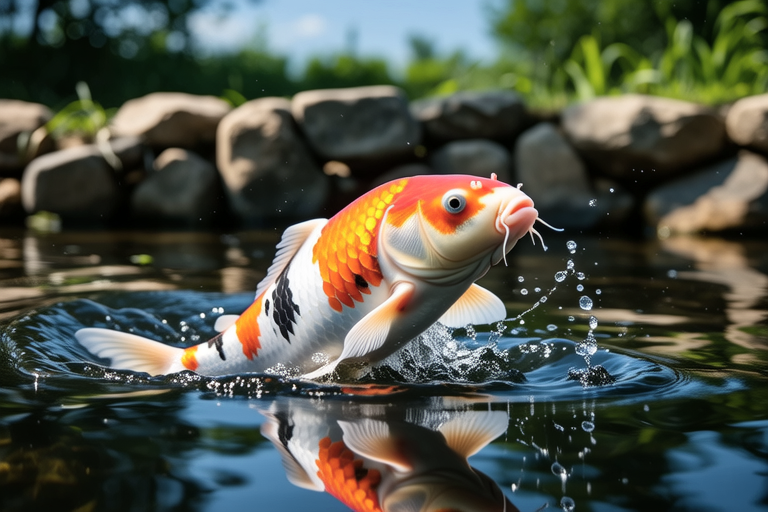
Koi fish, known scientifically as Cyprinus carpio, are ornamental varieties of domesticated common carp. Originating from ancient China and Japan, these colorful fish have captivated people worldwide with their vibrant hues and graceful movements. Initially bred for food, koi were later selectively bred for their aesthetic appeal, leading to the diverse range of colors and patterns we see today. Their popularity has soared due to their beauty and the peaceful ambiance they bring to gardens and ponds.
Setting Up a Koi Pond
Before diving into the world of koi, it’s essential to set up a proper pond. The ideal pond size for a small collection of koi should be at least 1000 gallons, but larger is better. This ensures ample space for swimming and reduces stress on the fish. Depth also matters; aim for a depth of at least three feet to maintain stable temperatures and provide winter protection.
Filtration systems are crucial for maintaining water quality. Biological filters help break down harmful ammonia and nitrites produced by fish waste, while mechanical filters trap debris. UV sterilizers can further improve water clarity by eliminating bacteria and algae.
Other necessary equipment includes pumps to circulate water, air stones for oxygenation, and heaters if you live in colder climates. Plants like water lilies and lotus not only beautify the pond but also offer shade and hiding spots for koi.
Water Quality Management
Maintaining optimal water conditions is key to koi health. Regular testing for pH levels, ammonia, nitrite, and nitrate is vital. Ideal pH ranges between 7.2 and 8.0. Ammonia should always read zero, as even trace amounts can be toxic. Nitrite levels should also remain low, ideally below 0.5 ppm. High nitrate levels indicate overfeeding or insufficient filtration and should be addressed promptly.
Water changes are another way to manage quality. Aim for partial changes (about 10-20% weekly) to dilute pollutants. Always use dechlorinated water, as chlorine and chloramines found in tap water can harm koi.
Temperature Control
Koi thrive in temperatures between 68°F and 77°F. In cooler regions, consider installing a heater to prevent freezing and protect fish during winter. Conversely, in hot climates, shading devices or coolers may be necessary to keep temperatures under control. Monitor temperature fluctuations closely, especially during seasonal transitions.
Regular Maintenance Tasks
Regular cleaning of filters and skimmers prevents clogs and maintains efficiency. Check for leaks and wear in plumbing and equipment regularly. Prune aquatic plants to ensure they don’t overcrowd the pond. Additionally, inspect your koi daily for signs of distress, such as lethargy, abnormal swimming behavior, or physical injuries.
Selecting Healthy Koi
When choosing koi, look for bright, clear eyes, smooth scales, and symmetrical body shapes. Avoid fish with cloudy eyes, torn fins, or excessive mucus production. It’s wise to quarantine new arrivals for several weeks to observe their health before introducing them to your main pond.
Feeding Properly
Proper nutrition is vital for koi growth and health. Feed high-quality pellets formulated for koi, which provide balanced nutrients. Offer small portions multiple times daily, especially during warmer months when koi are more active. Reduce feeding frequency in colder seasons when metabolism slows down. Overfeeding can lead to poor water quality and health issues.
Preventing Common Diseases
Good hygiene practices go a long way in disease prevention. Quarantine new additions, avoid overcrowding, and practice excellent water management. If symptoms appear, consult a veterinarian specializing in fish care. Common treatments include antibiotics, antifungals, and anti-parasitic medications. Always follow product instructions carefully.
Creating a Beautiful, Natural Pond Environment
To enhance the well-being of your koi, design a natural-looking pond that mimics their native habitats. Incorporate rocks, gravel, and submerged logs to create hiding spots and enrich the ecosystem. Plant a variety of aquatic vegetation to provide oxygen and shelter. Consider adding a waterfall or fountain for added aesthetics and increased oxygenation.
Finally, ensure your pond has adequate lighting. While some lighting is necessary for plant growth, excessive light can stress koi. Use underwater lights sparingly and consider timers to limit exposure.
With patience and attention to detail, raising koi can be a rewarding and enjoyable experience. By understanding their needs and providing a nurturing environment, you’ll enjoy watching your koi flourish and bring beauty to your garden.
