Parrot Fish: The Colorful Jewel of Marine Aquariums
The marine world is a treasure trove of fascinating creatures, each contributing uniquely to the biodiversity that thrives beneath the waves. Among these aquatic marvels, the parrot fish stands out as a true gem. Known for their vibrant colors and unique appearance, these fish have captivated the hearts of many marine enthusiasts. This article delves into the world of parrot fish, exploring their origins, behaviors, and the requirements for keeping them in marine aquariums.
Introduction to Parrot Fish
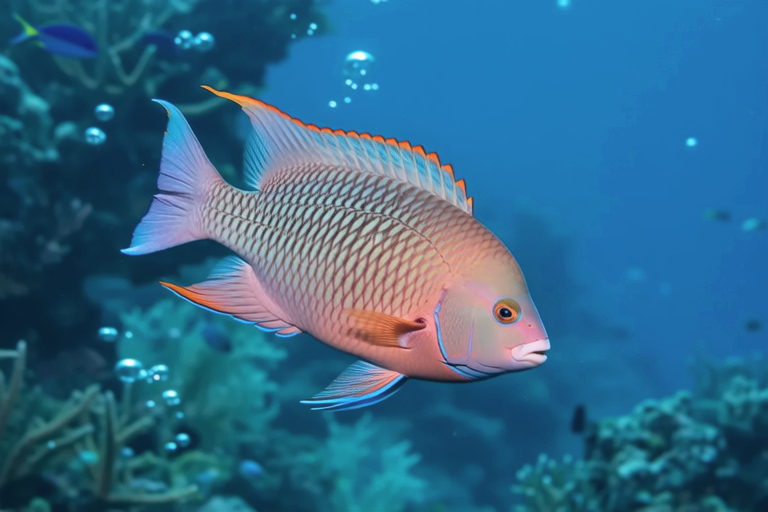
Parrot fish belong to the family Scaridae and are found primarily in tropical and subtropical waters around the world. They are known for their striking colors, which range from bright oranges and yellows to deep purples and blues. Their bodies are often adorned with intricate patterns and spots, making them a visual treat for anyone lucky enough to see them in their natural habitat or in an aquarium setting.
Their name comes from their beak-like mouth, which is formed by fused teeth. This unique feature allows them to scrape algae and small organisms from coral reefs and rocks. The parrot fish’s body shape is generally rounded, with large, fleshy lips and prominent eyes that give it a curious and endearing expression. Their scales are large and plate-like, offering protection against predators and the harsh environment of the ocean.
Natural Habitat and Behavior
In the wild, parrot fish inhabit coral reefs, seagrass beds, and rocky shores. They are most commonly found in the Indo-Pacific region, particularly around the Great Barrier Reef and the Maldives. These fish are diurnal, meaning they are most active during the day when they can feed and explore their surroundings. At night, they retreat to crevices or caves for safety.
Parrot fish play a crucial role in maintaining the health of coral reefs. By grazing on algae, they prevent it from overgrowing and smothering the corals. Additionally, their feeding habits contribute to the production of sand, as their digestion process breaks down the calcium carbonate in the coral skeletons, which eventually becomes part of the sandy substrate on the ocean floor.
Behaviorally, parrot fish are generally peaceful but can exhibit territorial behavior, especially when it comes to food sources. They are social animals and often swim in groups, which provides them with better protection from predators. Their colorful displays are not only visually appealing but also serve as a form of communication within their species.
Maintaining Parrot Fish in Marine Aquariums
Keeping parrot fish in a marine aquarium requires careful attention to detail to ensure their well-being. Below are some key factors to consider when setting up and maintaining a suitable environment for these fish:
Water Conditions
Parrot fish thrive in stable, high-quality water conditions. The ideal temperature range for most species is between 76°F and 82°F (24°C to 28°C), with a pH level of 8.1 to 8.4. Salinity should be maintained at approximately 1.023 to 1.025 specific gravity, which is equivalent to about 35 parts per thousand (ppt) of salt.
It is essential to monitor these parameters closely and make adjustments as necessary. A high-quality protein skimmer and efficient filtration system are crucial for maintaining clean and healthy water. Regular partial water changes, typically 10-20% every two weeks, will help keep the water quality optimal.
Diet
Parrot fish are herbivores and require a balanced diet rich in vegetables and algae. In the wild, they graze on various types of seaweed and algae that grow on rocks and coral reefs. In captivity, you can provide them with a variety of frozen and freeze-dried foods designed for herbivorous marine fish. Algae wafers, spirulina flakes, and nori sheets are excellent dietary supplements.
Feeding should be done two to three times daily, ensuring that the food is appropriate for their size and nutritional needs. Overfeeding should be avoided to prevent excess waste buildup in the tank, which can negatively impact water quality.
Tank Mates Compatibility
Choosing compatible tank mates is crucial for the well-being of parrot fish. Due to their peaceful nature, they are best suited for tanks with other non-aggressive species. Some good choices include tangs, wrasses, and angelfish. However, caution should be exercised when selecting tank mates, as some species may compete for food or become aggressive towards the parrot fish.
It is advisable to introduce parrot fish to the aquarium first and then add compatible tank mates gradually. This approach helps minimize stress and competition for resources, ensuring a harmonious community within the tank.
Tips for New Aquarists
For those new to the hobby of marine aquariums, there are several tips to ensure the health and longevity of your parrot fish:
- Gradual Acclimation: When introducing new fish to the aquarium, acclimate them slowly to the water conditions. This process involves floating the bag in the tank water for about 15 minutes, then adding small amounts of tank water to the bag over the next hour. Finally, release the fish gently into the tank.
- Regular Monitoring: Keep a close eye on the water parameters and the health of your fish. Any signs of stress, such as rapid breathing or loss of color, should prompt immediate action to address the underlying issue.
- Proper Lighting: Provide adequate lighting to promote the growth of algae and plants in the tank. However, avoid overly intense lighting, as it can cause stress to the fish.
- Hideouts and Decorations: Offer plenty of hiding spots and decorations to create a comfortable and stimulating environment for the parrot fish. This can include live rock, artificial caves, and driftwood.
Aesthetic Value and Popularity
The aesthetic value of parrot fish cannot be overstated. Their vibrant colors and graceful movements make them a focal point in any marine aquarium. Many aquarists are drawn to these fish not just for their beauty but also for the joy they bring to the hobby. Watching a group of parrot fish swim gracefully through a well-planted tank is a truly mesmerizing experience.
Despite their popularity, it is important to remember that responsible ownership is key. This means providing proper care, ensuring ethical sourcing, and being mindful of the environmental impact of the aquarium trade. By doing so, we can enjoy the splendor of parrot fish while contributing positively to their conservation.
In conclusion, parrot fish are more than just colorful additions to marine aquariums; they are vital components of the underwater ecosystem. With the right care and attention, they can thrive in captivity, bringing years of enjoyment and wonder to their owners. Whether you’re a beginner or an experienced aquarist, the parrot fish is sure to enchant you with its beauty and charm.
