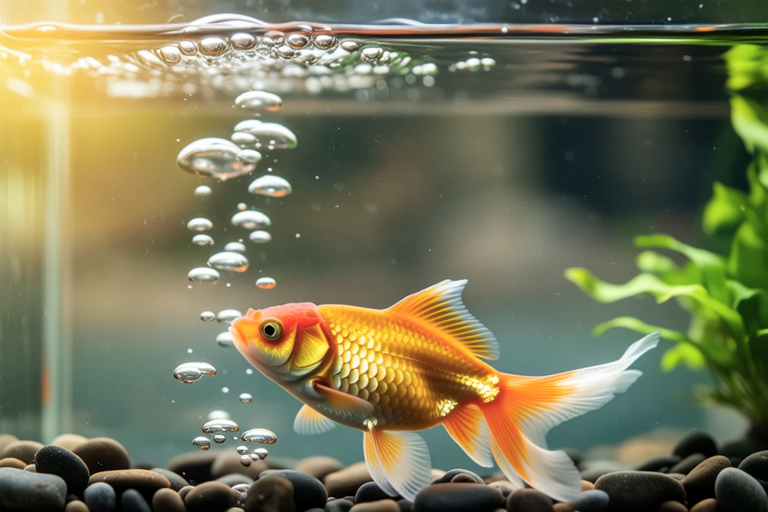
The Hidden Secrets of Keeping Your Goldfish Happy and Healthy
Goldfish are often perceived as low-maintenance pets, a common misconception that can lead to inadequate care. Many believe that a small bowl or tank is sufficient for these fish, and that feeding them any type of food will do. However, providing a healthy and happy environment for your goldfish requires more attention and knowledge than one might initially think.
Common Misconceptions About Goldfish Care
One of the most widespread myths is that goldfish can thrive in small bowls. In reality, goldfish are active swimmers that need ample space to move around freely. Another misconception is that goldfish require less care compared to other aquatic pets. This couldn’t be further from the truth. Goldfish are sensitive to their environment and require specific conditions to maintain their health.
Optimal Tank Size and Water Quality Maintenance
Choosing the right tank size is crucial for goldfish health. A general rule of thumb is at least 20 gallons per fish, though larger tanks are even better. The bigger the tank, the more room your goldfish has to swim and explore, which helps reduce stress and promotes physical fitness.
Water quality is another critical factor. Regular water changes, typically 20-30% every week, are essential to remove waste and toxins. Additionally, a good filtration system is necessary to keep the water clean and aerated. Filters help maintain the biological balance in the tank by breaking down harmful substances and ensuring that the water remains clear and oxygen-rich.
Suitable Temperature Ranges and pH Levels
Goldfish prefer cooler water temperatures ranging from 68°F to 74°F (20°C to 23°C). Maintaining this temperature range ensures that your fish are comfortable and active. Extreme temperatures can cause stress and health issues. Therefore, it’s important to invest in a reliable aquarium heater to keep the water at a stable temperature.
As for pH levels, goldfish thrive in slightly alkaline water, with an ideal range of 7.0 to 8.0. It’s vital to monitor the pH regularly and adjust it if necessary using appropriate products available at pet stores. Consistent pH levels contribute to the overall well-being of your goldfish.
Proper Goldfish Diet: Variety and Portion Control
Feeding your goldfish a balanced diet is key to their health. High-quality flake foods, pellets, and freeze-dried foods are excellent choices. It’s also beneficial to offer occasional treats like brine shrimp, daphnia, or bloodworms. These provide additional nutrients and variety, stimulating the fish’s appetite and promoting overall health.
Portion control is equally important. Overfeeding can lead to poor water quality and obesity in goldfish. Feed your fish only what they can consume within a few minutes. Leftover food should never be left to decompose in the tank, as it can negatively impact water quality.
Tank Decoration and Hiding Spots
Decorating your tank not only enhances its aesthetic appeal but also provides essential hiding spots for your goldfish. Plants, rocks, and driftwood offer places where goldfish can retreat when feeling stressed or threatened. This reduces stress and encourages natural behaviors such as exploration and foraging.
When selecting decorations, ensure they are safe and free from sharp edges or chemicals. Natural materials like driftwood and smooth stones are preferable over artificial ones. Incorporating live plants can also benefit your goldfish by improving water quality through oxygenation and nutrient absorption.
Recognizing Signs of Illness and Preventive Measures
Early detection of illness is crucial for treating and preventing further complications. Common signs include lethargy, loss of appetite, abnormal swimming patterns, or visible sores or spots on the body. If you notice any of these symptoms, it’s advisable to consult a veterinarian specializing in fish.
To prevent illnesses, maintain a clean and well-maintained tank. Regular water changes, proper filtration, and a balanced diet all contribute to a healthy environment. Quarantining new additions to the tank before introducing them to the main population can also help avoid the spread of diseases.
Regular Observation and Interaction
Observing your goldfish daily allows you to monitor their behavior and health closely. Pay attention to their eating habits, activity levels, and overall appearance. Interacting with your fish can also strengthen the bond between you and your pet. While goldfish may not respond to verbal cues like dogs or cats, they can recognize and respond to consistent routines and gentle handling.
Creating a positive relationship with your goldfish involves providing them with a stimulating and enriching environment. Regularly changing the layout of the tank or adding new toys and decorations can keep your fish engaged and entertained.
In conclusion, keeping your goldfish happy and healthy requires careful attention to their living conditions, diet, and overall well-being. By addressing common misconceptions, maintaining optimal tank size and water quality, providing suitable temperature and pH levels, offering a varied and controlled diet, incorporating appropriate tank decorations, recognizing signs of illness, and fostering regular observation and interaction, you can ensure that your goldfish enjoy a long and fulfilling life.
