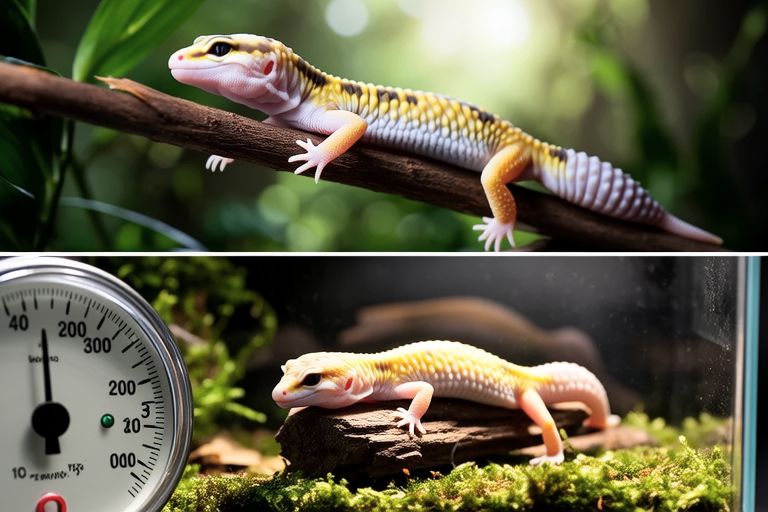
From Jungle to Home: The Journey of a Wild Chameleon Becoming a Pet
The chameleon is a fascinating creature that has captured the imagination of many. Known for its ability to change color and its prehensile tail, the chameleon is a popular choice for exotic pet enthusiasts. This article explores the journey of a wild chameleon becoming a pet, covering its natural habitat, ethical acquisition, and the necessary adjustments for its transition into a domestic setting.
Natural Habitat and Behavior of Chameleons in the Wild
Chameleons are native to Madagascar, Africa, southern Europe, and parts of Asia. They thrive in tropical rainforests, savannas, and deserts, where they enjoy a warm climate with high humidity. These reptiles are solitary creatures, spending most of their time in trees, basking in the sun, and hunting insects.
One of the most notable behaviors of chameleons is their ability to change color. This adaptation helps them regulate body temperature, communicate with other chameleons, and camouflage themselves from predators. Additionally, chameleons have a unique eye structure that allows them to rotate their eyes independently, providing a 360-degree field of vision. Their tongues, which can extend up to twice their body length, are used to catch prey.
Ethical Acquisition and Challenges
Capturing or acquiring a wild chameleon for domestication poses significant ethical challenges. It is crucial to prioritize the welfare of the chameleon and the conservation of its natural habitat. In many countries, it is illegal to capture and export wild chameleons without proper permits. Ethical acquisition involves sourcing chameleons from reputable breeders who practice responsible breeding techniques.
Wild chameleons face numerous threats in their natural habitat, including deforestation, climate change, and poaching. Capturing them can further disrupt their ecosystems and populations. Therefore, potential pet owners should consider adopting captive-bred chameleons, which are less likely to experience stress during transportation and acclimatization.
Adjustments in Environment, Diet, and Care
Transitioning a chameleon from its natural jungle setting to a home as a pet requires careful consideration of its environmental, dietary, and care needs. A suitable enclosure should mimic the chameleon’s natural habitat, providing ample space for climbing, basking, and hiding. The enclosure should be well-ventilated, with appropriate temperature and humidity levels. A UVB light source is essential for calcium absorption and overall health.
Dietary adjustments are also necessary. In the wild, chameleons primarily consume insects such as crickets, locusts, and mealworms. As pets, they should be fed a varied diet of appropriately sized insects, dusted with calcium and vitamin supplements. Fresh water should be provided daily, either through misting or a drip system.
Proper care involves regular monitoring of the chameleon’s health, including weight, hydration, and overall appearance. Regular veterinary check-ups are recommended to address any potential health issues promptly. Pet owners should also provide enrichment activities, such as branches for climbing and hiding spots, to stimulate mental and physical activity.
Tips for New Pet Owners
For new pet owners, ensuring the health and happiness of their chameleon requires dedication and knowledge. Here are some tips:
- Research thoroughly: Before acquiring a chameleon, research its specific species’ needs, including housing, diet, and care requirements.
- Consult experts: Reach out to veterinarians specializing in reptiles or experienced chameleon owners for advice and guidance.
- Provide a stimulating environment: Offer a variety of branches, plants, and hides to encourage natural behaviors and reduce stress.
- Handle with care: Chameleons are delicate creatures and may become stressed when handled. Limit handling to necessary interactions and always support their bodies to prevent injury.
- Monitor health: Regularly observe your chameleon for signs of illness, such as lethargy, loss of appetite, or changes in coloration.
Responsibilities and Rewards of Owning a Chameleon
Owning a chameleon comes with significant responsibilities, including providing a suitable environment, a balanced diet, and regular care. However, it also offers unique rewards. Watching a chameleon display its vibrant colors or catch prey with lightning speed can be a captivating experience. These animals are intelligent and responsive, forming strong bonds with their owners over time.
Respecting the animal’s origins and needs is paramount. By understanding and addressing the chameleon’s specific requirements, pet owners can ensure their wellbeing and happiness. This commitment to responsible ownership contributes to the conservation of chameleon species and their natural habitats.
In conclusion, the journey of a wild chameleon becoming a pet is a testament to the adaptability and resilience of these remarkable creatures. With proper care and attention, chameleons can thrive in domestic settings, offering their owners a unique and rewarding companionship.
