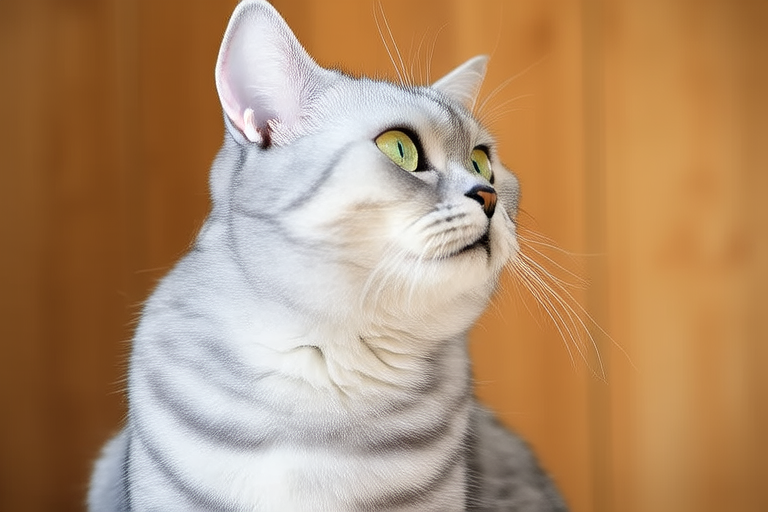
The Enigmatic Devon Rex: A Feline Delight
Devon Rex cats are often described as the “pixies” or “elfin” among felines due to their distinct physical features and captivating personalities. These cats have become a favorite among cat enthusiasts and pet owners alike, thanks to their unique looks and charming behavior. This article delves into the reasons behind their popularity, examining their physical attributes, behavioral traits, history, and care requirements.
Physical Characteristics
One of the most striking features of Devon Rex cats is their large, slightly rounded ears. These ears, set wide apart on their heads, provide an almost alien-like appearance, making them look alert and curious. Their eyes are large and expressive, contributing to their playful and mischievous expressions. The combination of large ears and wide eyes gives Devon Rexes an endearing and charismatic look that sets them apart from other cat breeds.
Their coats are another defining feature. Unlike many other cat breeds, Devon Rexes have a short, curly coat that feels soft and velvety to the touch. This coat is often referred to as “wavy,” and it can come in a variety of colors and patterns. The unique texture of their fur is a result of a genetic mutation, which also affects their ear cartilage, causing their ears to be more flexible than those of other cats. This results in a distinctive appearance that is both adorable and intriguing.
Devon Rexes are relatively small to medium-sized cats, with slender bodies and long legs. Their bodies are often described as having a “slinky” or “whippet-like” build, which contributes to their agile and acrobatic movements. Their tails are long and tapering, adding to their graceful appearance. Overall, Devon Rexes have a sleek, streamlined look that is both elegant and playful.
Behavioral Traits
Devon Rexes are known for their high energy levels and playful demeanor. They are often described as being “dog-like” in their behavior, as they tend to follow their owners around the house, seeking attention and interaction. They enjoy playing fetch, chasing toys, and even learning tricks, making them excellent companions for active individuals or families. Their curiosity and intelligence make them adept at problem-solving, and they often find creative ways to entertain themselves or engage with their surroundings.
Despite their energetic nature, Devon Rexes are also very affectionate and loving. They thrive on human companionship and often form strong bonds with their owners. They are known to be lap cats, enjoying cuddles and close contact. Their affectionate nature extends beyond just their owners; they often get along well with other pets and children, making them ideal family pets. However, they can be somewhat possessive and may become attached to one person in particular, forming a special bond with that individual.
Compared to other cat breeds, Devon Rexes are more social and interactive. While many cats prefer to spend time alone or are more independent, Devon Rexes enjoy being part of the household and are always looking for ways to participate in family activities. They are also more vocal than some other breeds, often meowing or chirping to communicate with their owners. This vocalization can range from soft purring to enthusiastic trills, depending on their mood and the situation.
History and Origins
The history of Devon Rex cats dates back to the 1960s when a British woman named Beryl Cox discovered a curly-coated kitten in her garden. This kitten, later named Kirlee, was the first known Devon Rex. Kirlee’s unusual appearance intrigued Cox, who decided to breed him with a local tortoiseshell female. The resulting litter produced several kittens with similar curly coats, marking the beginning of the Devon Rex breed.
The name “Devon Rex” comes from two sources. “Devon” refers to the region in England where Kirlee was found, while “Rex” is a term used to describe animals with unique coat mutations. The breed was officially recognized by major cat registries in the 1970s, and since then, it has gained popularity around the world. Today, Devon Rexes are bred selectively to maintain their distinctive appearance and desirable traits.
Unlike some other cat breeds that have been selectively bred for centuries, Devon Rexes are a relatively recent development. This means that they still retain many of the traits of their wild ancestors, including their agility, curiosity, and intelligence. Their genetic diversity also contributes to their unique appearance and behavior, making them a fascinating subject for cat enthusiasts and researchers alike.
The Bond with Owners
Devon Rexes are known for forming deep, meaningful bonds with their owners. They are highly attuned to human emotions and often seek to comfort or console their owners during times of stress or sadness. Their affectionate nature and desire for companionship make them excellent therapy animals, and they are often used in animal-assisted therapy programs. Many owners report feeling a strong emotional connection with their Devon Rexes, describing them as loyal and devoted companions.
The bond between Devon Rexes and their owners is often compared to that of dogs, as these cats seem to understand and respond to their owners’ moods and needs. They are known to greet their owners at the door, follow them from room to room, and offer support and companionship throughout the day. This level of attachment can be both rewarding and challenging for owners, as it requires a significant amount of time and attention to maintain the relationship.
Care Requirements
While Devon Rexes are generally healthy cats, they do require some specific care to ensure their well-being. Their unique coats, while beautiful, can sometimes be prone to matting or tangling, especially if they are not brushed regularly. It is recommended to brush their coats weekly to prevent tangles and keep their fur healthy. They also benefit from regular grooming sessions, which can help distribute natural oils throughout their coat and improve its overall condition.
Devon Rexes are known for their high energy levels, and they need plenty of opportunities to exercise and play. Providing them with interactive toys, climbing structures, and scratching posts can help satisfy their need for activity and mental stimulation. Regular playtime and exercise can also help prevent obesity and other health issues associated with a sedentary lifestyle.
As with any pet, Devon Rexes require proper nutrition to maintain their health and vitality. It is important to provide them with a balanced diet that meets their nutritional needs. Consultation with a veterinarian can help determine the appropriate diet for your Devon Rex based on their age, weight, and activity level. Fresh water should always be available, and it is recommended to change it daily to ensure it remains clean and fresh.
Devon Rexes are generally considered to be low-maintenance when it comes to grooming, but they do require regular veterinary check-ups to monitor their health and address any potential issues. Like all cats, they should be vaccinated against common diseases and protected against parasites. Spaying or neutering is also recommended to prevent unwanted pregnancies and reduce the risk of certain health conditions.
Conclusion
Devon Rex cats are beloved by many for their unique appearance, charming personalities, and strong bonds with their owners. Their large ears, wavy coats, and playful expressions make them stand out among other cat breeds, while their high energy levels, affectionate nature, and intelligence make them delightful companions. With proper care and attention, Devon Rexes can provide years of joy and companionship to their owners, making them a cherished addition to any household.
