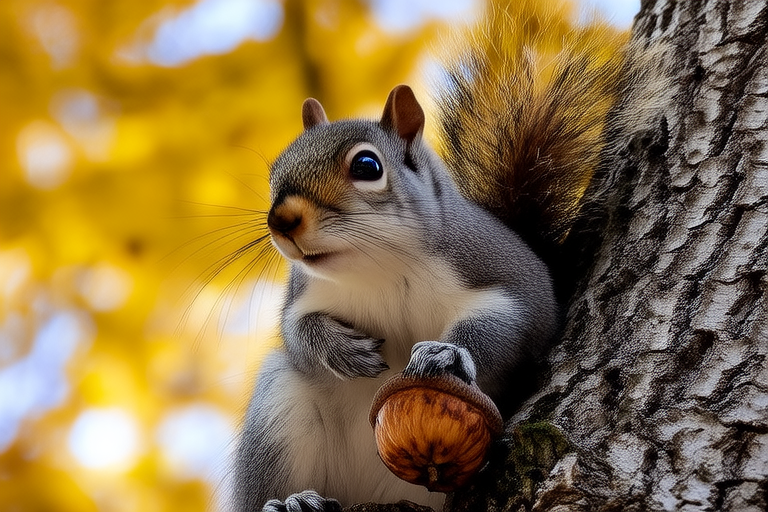
Unseen Behaviors and Secret Habits of Urban Squirrels
Urban squirrels, often overlooked as mere park inhabitants, possess a rich tapestry of behaviors and habits that remain hidden from the casual observer. These creatures, which have adapted remarkably well to city life, engage in intricate social interactions, employ sophisticated communication methods, and display remarkable survival strategies. By delving into these aspects, we can better understand and appreciate the complexity of urban wildlife, fostering a harmonious coexistence.
Complex Social Structures
Squirrels, contrary to popular belief, live in highly structured communities. They form loose hierarchies based on age and size, with dominant males often controlling prime feeding territories. This social structure is particularly evident during mating seasons when competition for mates intensifies. Younger or smaller squirrels must navigate these dynamics carefully, learning from elders and establishing their own territories over time.
Scientific studies reveal that squirrels exhibit kin selection, favoring relatives in their interactions. This behavior ensures the propagation of shared genes, enhancing the group’s overall fitness. Observations indicate that squirrels will often share food resources with close kin, even at the expense of their own immediate needs.
Unique Communication Methods
Beyond the familiar chirps and barks, squirrels communicate through a variety of vocalizations, body language, and scent marking. Their vocal repertoire includes distress calls, mating calls, and alarm signals. Alarm calls, for instance, serve multiple purposes: they alert other squirrels to potential threats, such as predators or humans, and can also signal the presence of food sources.
Body language plays a crucial role in squirrel communication. Tail flicks, postures, and head movements convey various messages. For example, a raised tail might signal aggression or alertness, while a flattened tail indicates submission. Scent marking, using glands located near the mouth and anus, helps define territories and mark trails.
Survival Strategies in City Environments
Urban squirrels face numerous challenges, including limited natural habitats, increased competition for resources, and the constant threat of human interference. To survive, they have developed several adaptive behaviors. One notable strategy is caching food, where squirrels bury nuts and seeds in various locations throughout their territory. This practice not only provides sustenance during lean times but also serves as a form of insurance against theft.
Another key adaptation involves exploiting human-made structures. Squirrels often build nests (dreys) in trees, but they also take advantage of attics, chimneys, and even electrical conduits. These artificial nesting sites offer protection from predators and harsh weather conditions. Additionally, squirrels have learned to navigate urban landscapes efficiently, utilizing fences, power lines, and buildings to traverse large distances quickly.
Dietary Preferences Beyond Common Knowledge
While many people associate squirrels primarily with nuts and seeds, their diet is much more diverse. In addition to acorns, walnuts, and pine cones, squirrels consume fruits, vegetables, fungi, insects, and even small vertebrates. Studies show that urban squirrels are particularly adept at scavenging human leftovers, including bread, popcorn, and other discarded snacks.
The nutritional benefits of this varied diet contribute significantly to their health and longevity. For instance, certain fruits provide essential vitamins and minerals, while insects offer protein. Understanding these dietary preferences can help residents create squirrel-friendly gardens by planting native plants and avoiding harmful pesticides.
Interaction with Human-Made Elements of Their Habitat
Squirrels’ interaction with human-made elements of their environment is both fascinating and practical. They frequently visit bird feeders, picnic areas, and garbage bins, often to their detriment. While these food sources may seem convenient, they can lead to dependency and malnutrition if not balanced with natural foods.
Moreover, squirrels have adapted to human noise pollution by becoming more vigilant and cautious. Research indicates that urban squirrels are more likely to freeze in place upon hearing loud noises compared to their rural counterparts. This heightened awareness helps them avoid dangerous situations and reduces the risk of accidents.
The Importance of Understanding These Creatures
Understanding the hidden behaviors and secret habits of urban squirrels is vital for promoting coexistence between humans and wildlife. By recognizing the complexities of squirrel societies, we can implement policies that protect their habitats and ensure their survival without compromising human interests.
For instance, cities could designate specific areas as squirrel sanctuaries, providing safe spaces for nesting and foraging. Educational programs aimed at teaching residents about proper feeding practices and the importance of biodiversity could also foster a greater appreciation for these animals.
In conclusion, urban squirrels are far more than just park visitors; they are intricate members of our urban ecosystems, deserving of respect and consideration. By exploring their behaviors and habits, we gain valuable insights into their lives and can work towards creating environments where both humans and wildlife thrive.
