Unveiling the Mystique: Life with an Abyssinian Cat
The Abyssinian cat is a breed that has captivated the hearts of many pet lovers for centuries. Known for their striking appearance and enigmatic charm, these felines have a rich history and a reputation for being highly intelligent and affectionate companions. This article will guide you through the unique world of Abyssinian cats, offering insights into their physical characteristics, behaviors, health concerns, social needs, and the joys of living with them.
Abyssinian Cats: A Brief History and Appearance
The Abyssinian cat, named after the ancient land of Ethiopia (formerly Abyssinia), is believed to have descended from cats that accompanied British soldiers back to England during the 19th century. Their origin story is as intriguing as their appearance, which features a distinct ticked tabby coat pattern, giving them a wild and exotic look. The coat, usually a mix of ruddy, blue, fawn, or cinnamon, is short but dense, providing a plush texture that feels delightful to the touch.
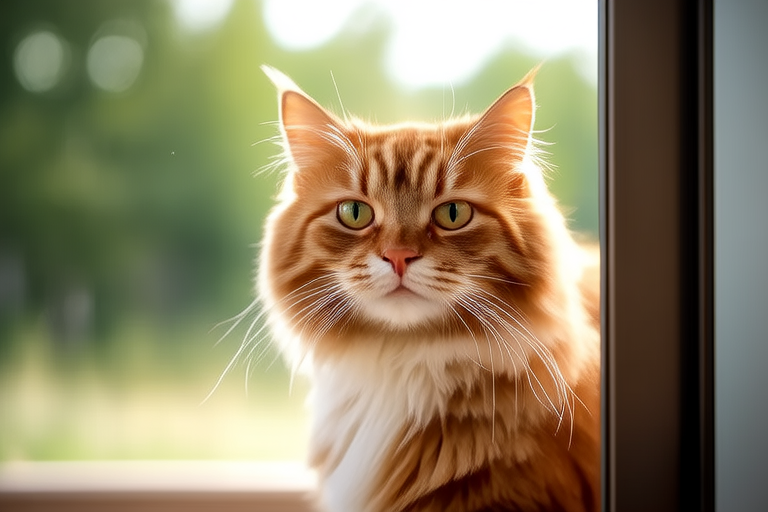
Beyond their coat, Abyssinians possess large, expressive eyes that are typically green or gold, framed by prominent cheekbones and a slender, muscular body. Their ears are wide-set and pointed, contributing to their alert and attentive demeanor. These physical traits combine to create a cat that is both graceful and elegant, making them a popular choice for cat enthusiasts around the world.
Physical Traits and Behavior
Abyssinian cats are known for their high energy levels and playful nature. They are agile and acrobatic, often displaying remarkable climbing skills. Their curiosity often leads them to explore every corner of their environment, making them excellent companions for those who enjoy an active lifestyle. Abyssinians are also known for their vocal communication, frequently meowing and chirping to express themselves.
Despite their independent streak, Abyssinians are highly social animals that thrive on human interaction. They enjoy being part of family activities and can form strong bonds with their owners. However, they require a balance of attention and space, as too much confinement can lead to stress and behavioral issues.
Health Considerations
While Abyssinians are generally healthy, they are prone to certain genetic conditions. One of the most notable is Periodontal Disease, which can be managed with regular dental care and a balanced diet. Other potential health issues include Renal Amyloidosis, a condition affecting the kidneys, and Progressive Retinal Atrophy, which can lead to blindness. Regular veterinary check-ups and genetic testing can help identify and manage these conditions early.
Social Needs and Interaction Styles
Abyssinians are social creatures that enjoy the company of their human families. They are not typically lap cats but appreciate interactive play sessions and mental stimulation. Training an Abyssinian can be both rewarding and challenging due to their intelligence. Positive reinforcement techniques, such as clicker training, are effective in teaching them commands and tricks. Providing puzzle toys and interactive games can also help keep their minds engaged and prevent boredom.
Creating a Suitable Environment
To ensure your Abyssinian cat thrives, it’s important to provide a stimulating and safe environment. Abyssinians are climbers and jumpers, so tall scratching posts and perches are essential. Secure windowsills and provide access to outdoor spaces if possible, ensuring safety through enclosed areas or supervised outings. Abyssinians are also sensitive to changes in their environment, so gradual introductions to new elements like furniture or roommates are recommended.
