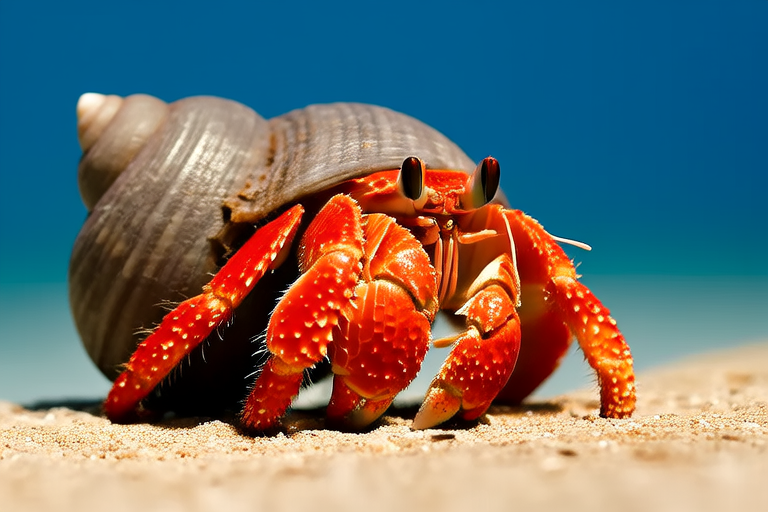
5 Surprising Facts About Hermit Crabs That Will Make You Want One as a Pet
Welcome to the fascinating world of hermit crabs! These unique creatures have captivated the hearts of many animal lovers with their quirky behaviors and charming personalities. If you’re considering adopting a hermit crab as your next pet, get ready to be amazed by these five surprising facts that will make you want one even more. Not only are they adorable, but they also come with a host of interesting traits that make them stand out from other pets. Let’s dive into the details!
Fact 1: Hermit Crabs Are Social Creatures
Contrary to popular belief, hermit crabs are not solitary animals. In the wild, they live in large colonies where they interact with one another. This social behavior extends to their captive environment as well. While it might seem unusual for a crab to be social, hermit crabs thrive when kept in groups. Having multiple hermit crabs can lead to more active and engaged pets. They enjoy exploring their surroundings together and sometimes even engage in playful interactions.
Tips for First-Time Owners: When setting up your hermit crab habitat, consider adding at least two or three crabs to encourage social interaction. Make sure the tank is spacious enough to accommodate all of them comfortably. Providing plenty of hiding spots and climbing structures will help stimulate their natural behaviors.
Fact 2: Hermit Crabs Have Ten Legs
Hermit crabs are often mistaken for having fewer legs due to their shell-dwelling nature. However, these little critters actually have ten legs! The front two pairs are modified for grabbing and holding onto objects, while the remaining six pairs are used for walking. Their legs play a crucial role in their survival and daily activities. For instance, the front claws are essential for carrying food and maintaining their shell.
Tips for First-Time Owners: To ensure your hermit crab’s health, provide a variety of climbing structures and toys within the enclosure. This will allow them to exercise their legs and maintain their strength. Additionally, offering different-sized shells for them to choose from can help keep their claws strong and healthy.
Fact 3: Hermit Crabs Can Change Shells
One of the most fascinating aspects of hermit crabs is their ability to change shells. As they grow, they outgrow their current shell and need to find a new one. This process is known as molting, and it is a critical part of their life cycle. During this time, hermit crabs become very vulnerable, so providing a safe and secure environment is essential. Offering a variety of shells in different sizes and shapes can help them transition smoothly during this period.
Tips for First-Time Owners: Always have a selection of shells available for your hermit crabs. Ensure that the shells are clean and free of harmful chemicals. You can sterilize them by soaking them in a weak bleach solution and then rinsing thoroughly before placing them in the habitat. Regularly check for signs of molting, such as softening of the exoskeleton, and provide extra care during this time.
Fact 4: Hermit Crabs Communicate Through Chirping
Did you know that hermit crabs can chirp? Yes, these small creatures have a unique way of communicating with each other through sound. They produce chirping noises by rubbing parts of their bodies together, similar to how crickets create sounds. This form of communication can indicate various emotions or intentions, such as distress, excitement, or territorial claims. Observing these chirps can be an exciting way to understand your hermit crab’s mood and behavior.
Tips for First-Time Owners: Pay attention to the frequency and tone of the chirping. A sudden increase in chirping might signal that your hermit crab is stressed or uncomfortable. Adjust the habitat accordingly to ensure their well-being. Providing a quiet and peaceful environment can help reduce stress and promote healthier communication among your crabs.
Fact 5: Hermit Crabs Need Salt Water Baths
Hermit crabs require salt water baths to maintain their health and hydration. In the wild, they regularly immerse themselves in saltwater pools or puddles. Captive hermit crabs benefit from occasional salt water baths as well. These baths help them shed their old exoskeletons and absorb vital minerals. It’s important to use a high-quality sea salt specifically designed for aquarium use to ensure the right balance of minerals.
Tips for First-Time Owners: Set up a shallow dish filled with a mixture of dechlorinated tap water and sea salt. The ratio should be approximately one tablespoon of sea salt per gallon of water. Allow your hermit crabs to soak in the dish for about 30 minutes, ensuring they can easily exit if needed. Monitor their behavior during and after the bath to ensure they are comfortable and not stressed.
A Call to Action: Responsible Pet Ownership
Hermit crabs are truly remarkable pets with unique behaviors and fascinating traits. By learning about their social nature, leg structure, shell-changing abilities, communication methods, and bathing needs, you can provide them with a happy and healthy environment. However, owning a hermit crab comes with significant responsibilities. Proper research and preparation are essential to ensure their well-being.
If you decide to bring a hermit crab into your home, commit to providing the best possible care. This includes setting up an appropriate habitat, offering a balanced diet, and creating opportunities for social interaction. Remember, hermit crabs can live for several years with proper care, making them long-term companions. Adopting a hermit crab is a rewarding experience, but it requires dedication and understanding.
So, are you ready to welcome a hermit crab into your family? With their charming personalities and intriguing behaviors, these little creatures are sure to bring joy and fascination to your life. Just remember to approach pet ownership responsibly and provide the love and care they deserve.
