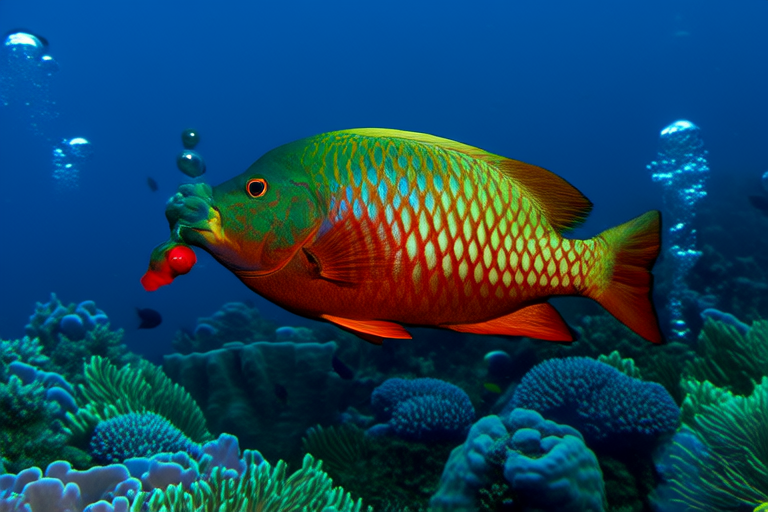
Saving Parrot Fish: Why We Need to Protect These Ocean Treasures
The ocean is a vast and complex ecosystem, teeming with life in all its forms. Among the many creatures that call it home, one stands out as both a marvel of nature and a crucial player in maintaining the health of our coral reefs: the parrot fish. These vibrant, colorful fish are more than just a sight to behold; they play an essential role in preserving the delicate balance of marine ecosystems. In this article, we will explore why saving parrot fish is vital, the threats they face, and how we can work together to protect these ocean treasures.
The Ecological Importance of Parrot Fish
Parrot fish are found in tropical and subtropical waters around the world, particularly in areas rich with coral reefs. They come in a wide array of colors and sizes, from the small and brightly colored Chlorurus sordidus to the larger species like the Scarus psittacus. Their name comes from their beak-like teeth, which are used to scrape algae off coral surfaces. This feeding behavior not only provides them with sustenance but also plays a critical role in maintaining the health of coral reefs.
Coral reefs are often referred to as the rainforests of the sea due to their incredible biodiversity. However, these ecosystems are under threat from various factors, including climate change, pollution, and overfishing. Parrot fish help maintain the health of coral reefs by grazing on algae that can otherwise smother and kill corals. By keeping algae populations in check, parrot fish ensure that corals have enough sunlight to photosynthesize and grow. Additionally, their feeding activities contribute to the formation of sand on beaches, as their digestive process breaks down coral skeletons into fine particles.
The Role of Parrot Fish in Maintaining Coral Reef Health
The relationship between parrot fish and coral reefs is symbiotic. Corals provide shelter and food for parrot fish, while the fish help keep the reefs clean and healthy. Without parrot fish, coral reefs would be more susceptible to algal overgrowth, which can lead to the death of corals and the loss of habitat for countless other marine species. The decline of coral reefs has far-reaching consequences for marine biodiversity, affecting everything from tiny plankton to large predators.
In addition to their direct impact on coral health, parrot fish also contribute to the overall resilience of reef systems. By maintaining a balance between coral growth and algae, they help create conditions favorable for other reef inhabitants. This includes smaller fish that seek refuge among the corals, as well as larger predators that depend on these smaller fish for food. The presence of parrot fish ensures that the entire reef ecosystem remains vibrant and productive.
Threats Facing Parrot Fish
Despite their importance, parrot fish populations are under threat from several human activities. Overfishing is one of the most significant dangers they face. Many species of parrot fish are highly valued for their meat and are often caught using unsustainable methods, such as blast fishing or cyanide poisoning. These practices not only deplete parrot fish populations but also cause widespread damage to coral reefs.
Habitat destruction is another major concern. Coastal development, pollution, and climate change all contribute to the degradation of coral reefs, which serve as vital habitats for parrot fish. As reefs become damaged or die off, the availability of suitable living spaces for parrot fish decreases, further exacerbating population declines. Additionally, rising sea temperatures and ocean acidification caused by climate change can stress coral reefs, making them less able to recover from disturbances and more vulnerable to disease.
The Consequences of Losing Parrot Fish for Marine Biodiversity
The loss of parrot fish could have catastrophic effects on marine biodiversity. If parrot fish populations continue to decline, coral reefs may become overrun with algae, leading to the collapse of entire reef ecosystems. This would result in the loss of habitat for countless species that rely on reefs for food, shelter, and breeding grounds. The cascading effects of such a collapse would extend beyond the immediate vicinity of the reefs, impacting broader oceanic ecosystems.
Furthermore, the decline of parrot fish could disrupt food webs throughout the marine environment. Many species of fish, including those important for commercial fisheries, depend on reef ecosystems for part of their lifecycle. Without healthy reefs, these species may struggle to survive, potentially leading to the collapse of entire fisheries. This would have severe economic and social implications for communities that depend on fishing for their livelihoods.
Strategies for Conservation
To address the threats facing parrot fish and their associated ecosystems, a multi-faceted approach is necessary. Governments, international organizations, and local communities must work together to implement effective conservation measures. One key strategy is the establishment of marine protected areas (MPAs), which provide safe havens for parrot fish and other marine species. MPAs can help restore damaged reefs and allow fish populations to recover by limiting fishing activities within designated zones.
Another important step is promoting sustainable fishing practices. This includes implementing quotas and size limits for parrot fish catches, banning destructive fishing methods, and encouraging the use of selective fishing gear that targets specific species without harming others. Education and outreach programs can also play a crucial role in raising awareness about the importance of parrot fish and the need for responsible fishing practices.
Addressing the root causes of habitat destruction is equally vital. Reducing pollution, managing coastal development responsibly, and combating climate change through global cooperation are essential steps toward protecting coral reefs and the marine life that depends on them. By taking action on these fronts, we can help ensure the survival of parrot fish and the countless other species that call coral reefs home.
What Individuals Can Do to Support Conservation Efforts
While large-scale policy changes and international agreements are necessary to protect parrot fish and their habitats, there are also actions individuals can take to support conservation efforts. One simple way to make a difference is by choosing sustainably sourced seafood when dining out or shopping for groceries. Look for certifications such as the Marine Stewardship Council (MSC) label, which indicates that the product comes from well-managed fisheries.
Supporting organizations that work to protect marine environments is another effective way to contribute. Many non-profits focus on marine conservation and offer opportunities for volunteering, donating, or participating in citizen science projects. By getting involved with these groups, individuals can help raise awareness about the importance of parrot fish and the challenges they face.
Finally, reducing your personal carbon footprint can have a positive impact on marine ecosystems. Simple actions like driving less, conserving energy at home, and supporting renewable energy initiatives can help mitigate the effects of climate change, which is one of the biggest threats to coral reefs and the species that depend on them.
Conclusion
Parrot fish are more than just beautiful creatures; they are essential players in the intricate web of life that makes up our oceans. Their role in maintaining coral reef health cannot be overstated, and the consequences of losing them would be devastating for marine biodiversity. By understanding the threats they face and working together to implement effective conservation strategies, we can help ensure the survival of these ocean treasures and the vibrant ecosystems they support.
Protecting parrot fish is not just about safeguarding a single species; it is about preserving the health and diversity of our oceans for future generations. With commitment and collective action, we can make a real difference in the fight to save these magnificent fish and the invaluable services they provide. Let us join forces to protect parrot fish and the precious marine environments they call home.
