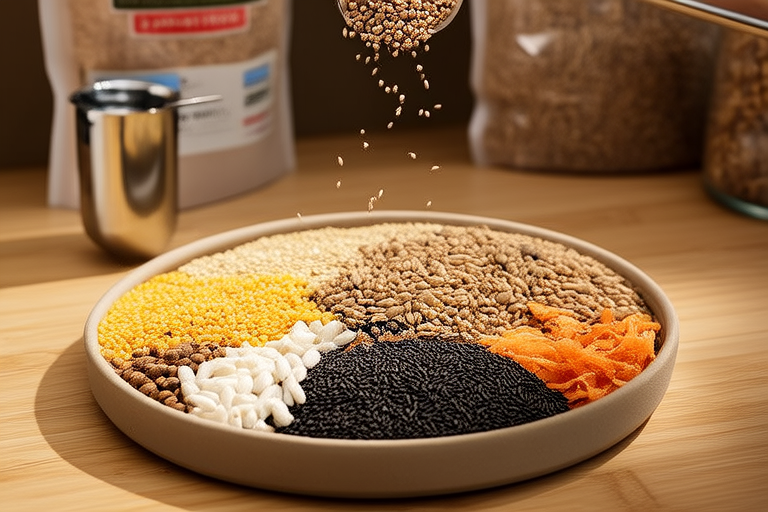
The Ultimate Guide to Choosing the Best Hamster Food
Hamsters, like all animals, require a balanced diet to thrive. Proper nutrition ensures that your hamster remains healthy, active, and happy. A well-balanced diet can prevent various health issues and extend your pet’s lifespan. This guide aims to provide you with everything you need to know about selecting the best hamster food.
Introduction: The Importance of Proper Nutrition for Hamsters
Hamsters are small rodents that have specific dietary requirements. Their digestive systems are designed to process certain types of food efficiently. Feeding them a diet that lacks essential nutrients can lead to malnutrition, obesity, and other health problems. Understanding what constitutes a healthy diet for your hamster is crucial for their overall well-being.
Different Types of Hamster Food Available
Pellets
Pellets are one of the most common forms of hamster food. They are formulated to provide a balanced mix of proteins, fats, carbohydrates, vitamins, and minerals. High-quality pellets are typically made from grains, seeds, and dried vegetables. They come in various flavors and formulations, catering to different breeds and ages of hamsters.
Seeds
Seeds are another popular option for hamsters. They are rich in oils and fats, which are necessary for energy but should be given in moderation due to their high-calorie content. Seed mixes often include sunflower seeds, pumpkin seeds, and various grains. While seeds can be part of a hamster’s diet, they should not make up the majority of it, as they lack some essential nutrients.
Fresh Vegetables
Vegetables provide essential vitamins and minerals that are crucial for maintaining good health. Dark leafy greens like kale, spinach, and dandelion greens are excellent choices. Other suitable vegetables include carrots, bell peppers, and broccoli. It’s important to introduce new vegetables gradually and in small quantities to avoid digestive upset.
Fruits
Fruits can be a tasty treat for hamsters but should be given sparingly due to their high sugar content. Apples, blueberries, and strawberries are safe options when fed in moderation. Always remove any seeds or pits before offering fruits to your hamster, as these can be harmful.
Tips on How to Read Pet Food Labels Effectively
When choosing hamster food, reading the label is essential. Look for products that list whole grains, seeds, and vegetables as the primary ingredients. Avoid foods that contain artificial preservatives, colors, or flavors. Check the protein, fat, fiber, and carbohydrate content to ensure the food meets your hamster’s nutritional needs. Additionally, pay attention to the expiration date and storage instructions to maintain the quality of the food.
Nutritional Needs of Hamsters at Different Life Stages
Baby Hamsters
Newborn hamsters have very specific dietary requirements. They primarily rely on their mother’s milk for the first few weeks. Once weaned, they can start eating small amounts of soft foods like finely chopped vegetables and fruits. Baby hamsters need a diet rich in proteins and fats to support their rapid growth.
Adult Hamsters
Adult hamsters benefit from a balanced diet that includes pellets, seeds, vegetables, and occasional fruits. Their dietary needs vary depending on their activity level, breed, and overall health. Monitoring their weight and adjusting their diet accordingly is important to prevent obesity.
Senior Hamsters
Senior hamsters may have reduced appetites and slower metabolisms. They may require softer foods and fewer calories. Consult your veterinarian if you notice changes in your senior hamster’s eating habits or weight.
Advice on Homemade Diets Versus Commercial Options
Homemade diets can offer a tailored approach to meeting your hamster’s nutritional needs. However, preparing a balanced diet requires careful planning and research. Commercial hamster foods are convenient and generally provide a complete and balanced diet. If you choose to prepare your own food, ensure that it includes all necessary nutrients. Consulting with a veterinarian or a pet nutritionist can help you create a safe and nutritious homemade diet.
Avoiding Harmful Foods
Some foods can be toxic or harmful to hamsters. Avoid feeding them chocolate, caffeine, alcohol, avocado, and raw beans. Certain vegetables like onions, garlic, and rhubarb can also be dangerous. Always research the safety of new foods before introducing them to your hamster.
Maintenance Tips for Storing Hamster Food Properly
Proper storage of hamster food is crucial to maintaining its freshness and preventing contamination. Store pellets and seeds in airtight containers in a cool, dry place away from direct sunlight. Check the expiration dates regularly and discard any food that has gone bad. Keep fresh vegetables and fruits refrigerated and wash them thoroughly before feeding them to your hamster.
In conclusion, choosing the right food for your hamster is a vital aspect of their care. By understanding their nutritional needs and providing a balanced diet, you can ensure your hamster lives a long and healthy life. Regularly consult with your veterinarian to address any specific dietary concerns and adjust your hamster’s diet as needed.
