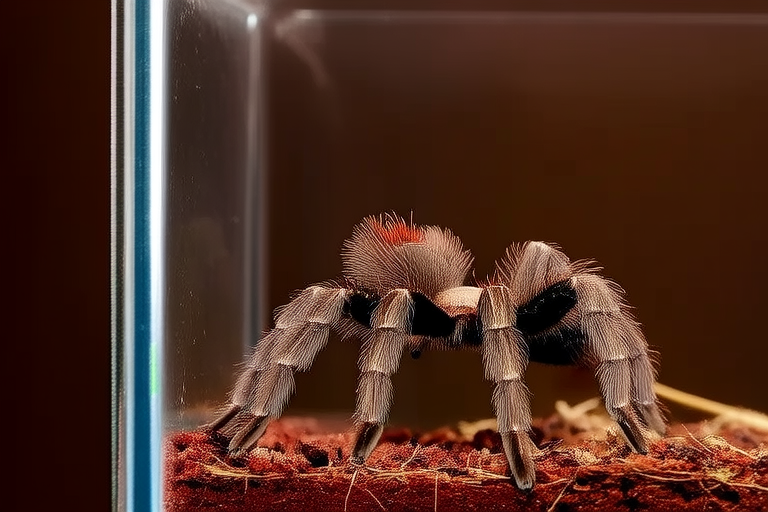
How to Make a Chilean Rose Tarantula Feel Right at Home
Welcome to the fascinating world of Chilean Rose Tarantulas! These docile and captivating creatures are popular pets among tarantula enthusiasts. If you’re considering adopting one of these arachnids, it’s crucial to understand their specific needs to ensure they thrive in your care. This comprehensive guide will walk you through setting up the perfect habitat, caring for your tarantula, and maintaining its health and happiness.
Essential Habitat Setup Details
Appropriate Enclosure Size
The first step in creating a comfortable environment for your Chilean Rose Tarantula is choosing an appropriate enclosure. A 10-gallon tank is suitable for adult specimens, providing ample space for movement and exploration. Ensure the enclosure has a secure lid to prevent escapes while allowing adequate ventilation.
Substrate Type
Selecting the right substrate is vital for your tarantula’s well-being. Use a mix of coconut fiber and vermiculite for optimal moisture retention and drainage. Avoid substrates like wood chips or sand, which can cause impaction if ingested. A depth of about four inches ensures burrowing opportunities, mimicking their natural habitat.
Temperature and Humidity Requirements
Maintaining the correct temperature and humidity levels is essential for your tarantula’s health. Aim for temperatures between 75°F and 85°F (24°C to 29°C) during the day, with slight drops at night. Humidity should range from 60% to 80%, promoting healthy shedding and overall well-being. Use a digital thermometer and hygrometer to monitor these conditions accurately.
Hiding Spots
Your tarantula will appreciate having several hiding spots within its enclosure. These provide security and reduce stress. Incorporate cork bark pieces, half logs, or commercially available shelters. Place them strategically around the enclosure to offer multiple options.
Lighting
Adequate lighting is crucial for your tarantula’s daily cycle. Use a low-wattage fluorescent bulb or a heat lamp to simulate daylight. Ensure the light source does not exceed 80°F (27°C) at any point near the substrate. Provide a 12-hour light/dark cycle to mimic natural conditions.
Diet Specifics and Feeding Techniques
Chilean Rose Tarantulas are carnivorous and require a varied diet of live insects. Suitable prey includes crickets, mealworms, and dubia roaches. Feed adults once a week, adjusting the frequency based on their appetite and size. Juveniles may need more frequent feedings. Gut-load feeder insects with nutritious food to enhance nutritional value.
When feeding, place the prey item directly into the enclosure. Monitor the interaction closely; if the tarantula shows no interest after 30 minutes, remove the uneaten prey. Overfeeding can lead to obesity and related health issues.
Handling Tips
While Chilean Rose Tarantulas are generally docile, handling should be approached with caution. Always wash your hands before and after handling to prevent the transfer of oils or bacteria. Gently scoop your tarantula into your hand, supporting its body fully. Handle infrequently, as excessive handling can cause stress.
Common Health Issues, Signs of Stress or Discomfort, and Preventive Care Measures
Recognizing signs of illness or distress in your tarantula is crucial for prompt intervention. Common health issues include regurgitation, mites, and respiratory problems. Signs of stress or discomfort include reduced activity, refusal to eat, and unusual behaviors like constant webbing.
To prevent health issues, maintain proper hygiene and cleanliness in the enclosure. Regularly clean uneaten prey remains and replace soiled substrate. Quarantine new tarantulas or additions to the enclosure for at least two weeks to avoid introducing diseases.
Establishing a Routine for Cleaning and Maintaining the Enclosure Safely
Developing a consistent maintenance schedule ensures your tarantula remains healthy and comfortable. Clean the enclosure thoroughly every two to three months, removing all substrate and decorations. Sterilize the enclosure and accessories using a reptile-safe disinfectant, ensuring thorough drying before replacing substrate and decorations.
Regularly check for substrate dampness and adjust as needed. Replace water dishes daily to maintain freshness. Inspect the enclosure weekly for any signs of damage or wear that could compromise safety.
Conclusion
Caring for a Chilean Rose Tarantula requires attention to detail but offers rewarding companionship. By following this guide, you’ll create a nurturing environment where your tarantula can flourish. Remember, patience and dedication are key to successful tarantula ownership. Enjoy the journey of understanding and bonding with these remarkable creatures.
