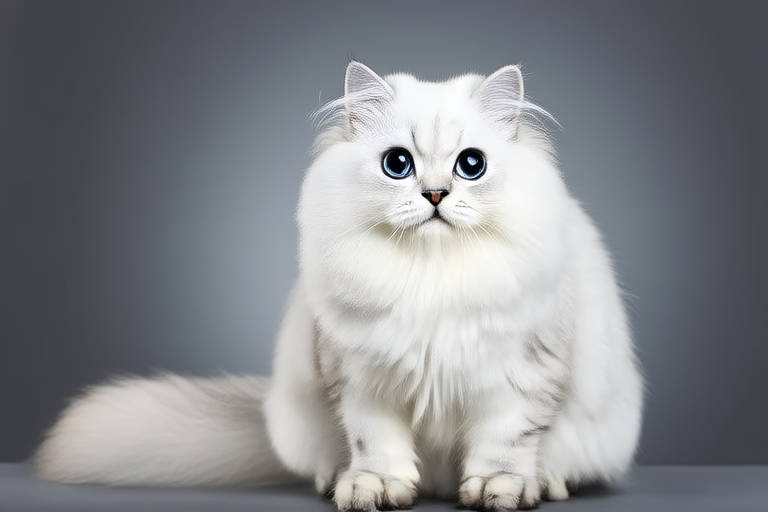
5 Myths About Persian Cats Debunked Once and For All
Persian cats have long been a favorite among cat enthusiasts worldwide. Their striking appearance, characterized by their long, luxurious fur and large, expressive eyes, makes them one of the most recognizable breeds. Originating from Persia (modern-day Iran), these felines have captivated the hearts of many since they were first introduced to Europe in the 17th century. Today, Persian cats are among the most popular purebred cats globally, often featured in shows and adored in homes for their gentle demeanor and regal presence.
Myth 1: Persian Cats Are Lazy and Sedentary
One of the most common misconceptions about Persian cats is that they are lazy and prefer to spend all their time lounging around. While it’s true that Persian cats are known for their calm and laid-back personalities, this doesn’t mean they are inactive. Contrary to popular belief, Persian cats are quite active and playful, especially during their younger years. They enjoy interactive toys and can be very curious, exploring their environment with enthusiasm.
Studies have shown that regular playtime is essential for maintaining the physical and mental health of any cat, including Persians. Engaging your Persian cat in daily play sessions helps prevent obesity and keeps them mentally stimulated. Interactive toys such as feather wands or laser pointers can be particularly effective in stimulating their hunting instincts.
Myth 2: Persian Cats Require Excessive Grooming
The thick, flowing coat of Persian cats has led many potential owners to believe that they require an excessive amount of grooming. While it’s true that Persian cats need more grooming than short-haired breeds, the effort involved is manageable with the right tools and routine. Daily brushing is recommended to prevent matting and keep their coat healthy, but this doesn’t equate to excessive grooming.
Veterinary experts recommend using a slicker brush to remove loose hair and prevent tangles. Additionally, regular baths can help maintain the coat’s cleanliness and shine. With consistent care, Persian cats can maintain their beautiful coats without the need for constant attention. It’s also important to note that professional grooming services are available if you find it challenging to manage their grooming at home.
Myth 3: Persian Cats Are Prone to Health Issues
Another prevalent myth about Persian cats is that they are prone to numerous health issues, making them high-maintenance pets. While it’s true that Persian cats are susceptible to certain health problems, particularly those related to their genetics, this doesn’t mean they are inherently unhealthy. Like all purebred cats, Persians are prone to specific conditions, but many of these can be managed with proper care.
Common health issues include respiratory problems due to their flattened faces and polycystic kidney disease. However, regular veterinary check-ups and early intervention can significantly improve their quality of life. According to the American Veterinary Medical Association (AVMA), genetic testing and careful breeding practices have helped reduce the incidence of some inherited diseases in Persians. Responsible breeders prioritize the health of their cats, ensuring that they produce healthy offspring.
Myth 4: Persian Cats Don’t Get Along with Other Pets
There’s a misconception that Persian cats are aloof and don’t get along well with other animals, including dogs and other cats. In reality, Persian cats can coexist peacefully with other pets if introduced correctly. Their calm and gentle nature often makes them adaptable to different living situations.
Experts suggest gradual introductions to ensure both pets feel comfortable. Supervised interactions in a neutral space can help build positive associations. While every cat has its own personality, many Persians can form strong bonds with other animals. Patience and understanding are key when integrating a new pet into your household. Providing separate spaces for each pet to retreat to can also help ease tensions during the adjustment period.
Myth 5: Persian Cats Are Expensive to Own
The final myth we’re debunking is that Persian cats are expensive to own. While it’s true that purchasing a Persian cat from a reputable breeder can be costly, the ongoing costs of owning one are comparable to other purebred cats. The initial investment includes not only the purchase price but also necessary supplies like food, litter, and grooming tools.
After the initial setup, the monthly expenses for feeding, healthcare, and grooming are manageable. Many cat owners find that the joy and companionship provided by their Persian cat far outweigh the financial considerations. Additionally, adopting a Persian cat from a shelter or rescue organization can be a more affordable option while giving a loving home to a deserving pet.
Responsible Pet Ownership for Persian Cats
Owning a Persian cat comes with specific responsibilities to ensure their well-being. Regular veterinary check-ups are crucial for monitoring their health and addressing any potential issues early. A balanced diet tailored to their age and activity level is essential for maintaining their weight and overall health.
Grooming plays a significant role in keeping your Persian cat happy and healthy. Daily brushing helps prevent matting and reduces shedding, which is beneficial for both your cat and your home. Additionally, keeping their living environment clean and providing them with a comfortable, stress-free space is vital.
Persian cats thrive in environments that cater to their unique needs. Creating a stimulating environment with climbing structures, scratching posts, and interactive toys can enrich their lives. Ensuring they have access to fresh water, a nutritious diet, and plenty of love and attention will contribute to their happiness and longevity.
In conclusion, Persian cats are fascinating and loving companions who deserve the same respect and care as any other pet. By dispelling these common myths, we hope to provide a clearer understanding of what it means to own a Persian cat. With the right knowledge and commitment, you can enjoy a rewarding relationship with your Persian cat, fostering a healthy and happy life for both of you.
