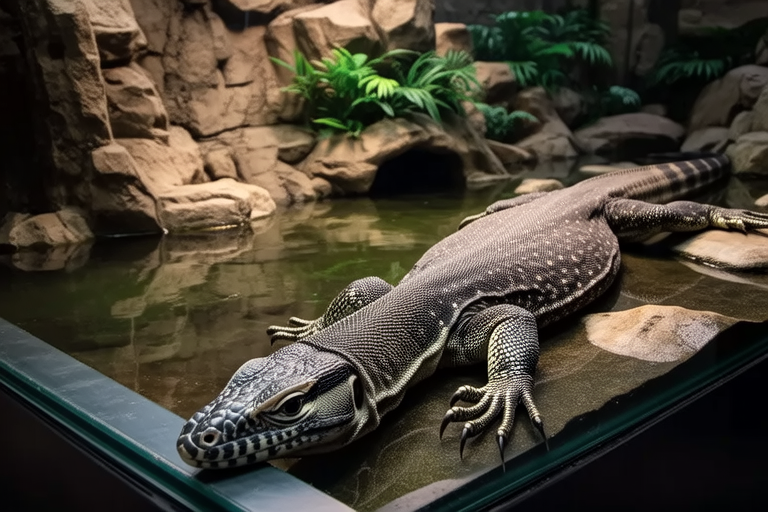
Setting Up the Perfect Habitat for a Water Monitor
Water monitors (Varanus salvator) are one of the most impressive species of lizards kept as pets due to their size, intelligence, and unique behavior. They are native to Southeast Asia, where they inhabit a wide range of environments, from dense tropical forests to mangrove swamps and freshwater habitats. As a result, providing an optimal habitat for these animals is crucial for their health and longevity. This article will guide you through setting up the perfect habitat for a water monitor, covering essential aspects such as tank size, heating and lighting requirements, water quality maintenance, substrate options, hiding spots, climbing structures, diet considerations, and safety measures.
Ideal Tank Size
The first step in creating a suitable habitat for your water monitor is choosing the right enclosure. These animals can grow up to six feet in length and weigh over 50 pounds, so they require ample space to move around comfortably. A minimum tank size of 8 feet by 4 feet by 6 feet (length x width x height) is recommended for adults, while juveniles can start in smaller enclosures that measure at least 4 feet by 2 feet by 3 feet. Keep in mind that larger tanks are always better as they allow more room for exploration and exercise.
Heating and Lighting Requirements
Water monitors are ectothermic, meaning they rely on external sources of heat to regulate their body temperature. Providing appropriate heating and lighting is vital for maintaining their metabolism, digestion, and overall health. Install multiple heat sources throughout the enclosure, including a basking spot with temperatures between 95°F and 105°F (35°C to 40°C) and a cooler area around 80°F (27°C). Use ceramic heat emitters or infrared bulbs for consistent warmth during nighttime hours when lights are off.
In addition to heat, UVB lighting is necessary for synthesizing vitamin D3, which aids calcium absorption. Place a high-output UVB lamp over the basking area, ensuring it covers at least 50% of the tank’s surface. Replace the bulb every six months or according to manufacturer instructions since UV output diminishes over time. Supplemental heat mats or under-tank heaters can be used if needed but avoid direct contact with the animal to prevent burns.
Water Quality Maintenance
Maintaining clean water is critical for water monitors’ health, especially considering how much time they spend submerged. Invest in a powerful filtration system capable of handling large volumes of water efficiently. Canister filters, sumps, or wet/dry filters work well depending on your setup; however, ensure adequate flow rates without causing excessive stress on the animal. Regularly check water parameters like pH, ammonia, nitrite, and nitrate levels using test kits available at pet stores. Perform partial water changes weekly (about 20-30%) and complete changes monthly to keep toxins at bay.
Adequate water depth also plays a significant role in providing enrichment opportunities for your monitor. Aim for depths ranging from 18 inches to 3 feet deep, allowing them enough space to swim freely and dive beneath the surface when desired. Incorporate ramps or floating platforms for easy access in and out of the water.
Substrate Options
Selecting an appropriate substrate is important for preventing injuries and promoting healthy skin conditions. Avoid using gravel, sand, or small particles that could potentially cause impaction if ingested accidentally. Instead, opt for larger substrates like coconut fiber, bark chips, or reptile-safe mulch. These materials provide cushioning while being easy to clean and maintain.
If you choose to use a mix of terrestrial and aquatic areas within one enclosure, consider utilizing rubber liners or waterproof flooring beneath the substrate layer. This helps contain spills and simplifies cleaning procedures. Additionally, adding live plants can enhance aesthetics and offer additional hiding spots for your monitor.
Hiding Spots and Climbing Structures
Water monitors enjoy exploring various environments within their habitat, so providing plenty of hiding spots and climbing structures mimics their natural behaviors. Incorporate cork bark pieces, hollow logs, or artificial caves into both land and water sections of the enclosure. These elements serve dual purposes – offering security during resting periods and encouraging physical activity.
Climbing structures such as branches, vines, or rope ladders should be securely fastened to prevent accidents. Ensure all surfaces are stable enough to support the weight of your monitor without collapsing under pressure. Trees or large rocks can also be incorporated for added complexity.
Diet Considerations
Feeding a balanced diet rich in nutrients supports your water monitor’s growth and development. Insects, rodents, fish, eggs, and occasional fruits make up their natural diet in the wild. Offer appropriately sized prey items based on the age and size of your pet. For example, hatchlings may eat crickets or mealworms initially, progressing towards mice or chicks as they mature.
Commercially prepared diets formulated specifically for monitors are available but should complement rather than replace live food sources. Always supervise feedings to monitor consumption habits and adjust portions accordingly. Fresh water should always be accessible alongside any food items provided.
Safety Measures
Handling water monitors requires caution due to their strength and sharp claws. Wear protective gloves and handle them gently yet firmly to minimize stress. Never grab them by the tail, as this could result in injury or loss of tail segments (caudal autotomy).
Regular veterinary check-ups are essential for monitoring your monitor’s health status. Schedule annual visits with an experienced reptile veterinarian who understands specific care needs associated with this species. Vaccinations against common diseases may also be recommended depending on geographical location.
Conclusion
Creating a thriving home for a water monitor involves careful planning and attention to detail. By following the guidelines outlined above, you’ll set yourself up for success in providing a stimulating yet safe environment tailored specifically to meet the needs of these fascinating creatures. Remember, mimicking their natural habitat closely not only enhances their quality of life but also contributes positively towards their long-term wellbeing.
