Unraveling the Mystique of the Ragdoll Cat: Nature’s Gentle Giant
The world of feline companionship offers a vast array of breeds, each with its own unique charm and characteristics. Among these, the Ragdoll stands out as a breed that has captured the hearts of many with its gentle nature and striking appearance. Often referred to as ‘Nature’s Gentle Giant,’ the Ragdoll is a medium to large-sized cat known for its affectionate disposition and distinctive physical features. This article delves into the history, characteristics, and care requirements of the Ragdoll, offering a comprehensive guide for both current and prospective owners.
History and Origins
The Ragdoll breed originated in the 1960s through the efforts of Ann Baker, a breeder from Riverside, California. The story behind the creation of this breed is shrouded in mystery and legend. According to Baker, a neighbor’s stray white cat was hit by a car and later mated with her cat, Josephine, a domestic longhair. The kittens from this union were noted for their placid demeanor and tendency to go limp when held, much like a rag doll. Over the years, Baker selectively bred these cats, refining the breed’s temperament and appearance.
Despite the controversial claims surrounding the breed’s origins, the Ragdoll quickly gained popularity due to its friendly and docile nature. Today, it is recognized by major cat registries worldwide and continues to be one of the most beloved breeds among cat enthusiasts.
Physical Attributes
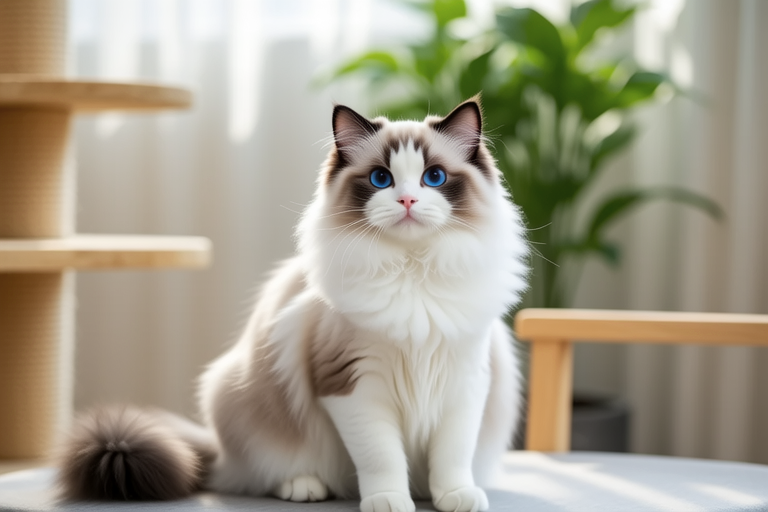
Ragdolls are characterized by their large size, muscular build, and semi-longhaired coats. Males can weigh between 12 to 20 pounds, while females range from 8 to 15 pounds. Their bodies are well-proportioned, with a broad chest, sturdy legs, and a thick tail. The head is rounded, with a gentle curve from the forehead to the nose, giving the face a sweet and expressive appearance.
Their eyes are another distinguishing feature, being large, oval-shaped, and set wide apart. These almond-shaped eyes come in a variety of colors, most commonly blue, but they can also be green or hazel. The combination of their eye shape and color gives them a captivating and almost ethereal gaze.
The Ragdoll’s coat is soft and plush, requiring regular grooming to prevent matting. The fur is typically medium-length, with a silky texture that feels luxurious to the touch. Coat colors include seal, blue, chocolate, and lilac, each available in three patterns: colorpoint, bicolor, and mitted. Bicolor Ragdolls have white markings on their chest, paws, and sometimes their face, while mitted Ragdolls have white boots and gloves. The colorpoint pattern features darker points on the ears, face, paws, and tail, contrasting with the lighter body color.
Personality Traits
One of the most endearing qualities of the Ragdoll is its affectionate and docile nature. They are known for their loyalty and bond strongly with their human companions. Ragdolls are often described as ‘dog-like’ due to their tendency to follow their owners around the house and their eagerness to participate in family activities. They are highly sociable and enjoy being petted and cuddled, making them excellent companions for families and individuals alike.
Perhaps the most distinctive trait of the Ragdoll is their tendency to go limp when picked up, similar to a stuffed rag doll. This behavior, which usually begins at around four months of age, is thought to be a result of their relaxed and trusting nature. While not all Ragdolls exhibit this behavior, those that do tend to become even more relaxed and comfortable in the presence of their owners.
Despite their gentle demeanor, Ragdolls are not overly vocal. They communicate primarily through body language and gentle purring, making them ideal for households where a quiet, serene environment is desired.
Health and Dietary Needs
Like any other breed, Ragdolls require proper care to maintain their health and well-being. Regular veterinary check-ups, vaccinations, and dental hygiene are essential to ensure a long and healthy life. Some common health issues that may affect Ragdolls include hip dysplasia, hypertrophic cardiomyopathy (HCM), and polycystic kidney disease (PKD). Potential owners should inquire about the health history of the parents when considering adoption or purchase.
Feeding a high-quality diet tailored to the specific needs of your Ragdoll is crucial. As they are prone to obesity, it is important to monitor their food intake and provide plenty of opportunities for exercise. Consultation with a veterinarian can help determine the appropriate amount of food and types of treats suitable for your cat. Fresh water should always be available, and a balanced diet will support their overall health and longevity.
Care and Maintenance
Grooming is an important aspect of caring for a Ragdoll. Their semi-longhaired coats require regular brushing to prevent matting and tangles. Weekly brushing sessions are recommended, especially during shedding seasons. A soft-bristled brush or a slicker brush can be used to remove loose hair and distribute natural oils throughout the coat. Bathing is generally unnecessary unless the cat gets particularly dirty or if it has skin conditions.
Exercise is vital for maintaining a healthy weight and promoting mental stimulation. Ragdolls enjoy playing with interactive toys and can be encouraged to engage in play sessions several times a day. Providing climbing structures, scratching posts, and puzzle toys can help keep them physically active and mentally engaged.
Socialization is equally important for Ragdolls. Early exposure to different environments, people, and animals can help them develop into confident and well-adjusted cats. They thrive in social settings and benefit from positive interactions with their human companions. It is advisable to introduce them gradually to new experiences and stimuli to avoid overwhelming them.
Conclusion
The Ragdoll cat is a remarkable breed that combines the grace of a large cat with the affectionate nature of a loyal companion. Their gentle demeanor, striking appearance, and unique behaviors make them stand out among other cat breeds. By understanding their specific needs and providing proper care, owners can ensure that their Ragdoll leads a happy and healthy life. Whether you’re a seasoned cat owner or considering adopting your first feline friend, the Ragdoll is a breed that promises endless joy and companionship. Embrace the mystique of the Ragdoll and experience the delight of having ‘Nature’s Gentle Giant’ in your home.
